
A used Titanium electrode may be a recoating candidate if its substrate and interfaces remain suitable and a qualified refurbishment process fits the intended duty. A worn surface can make reuse look economical while hidden damage makes the support unsuitable. Sending every part for recoating without inspection risks paying for an unusable component. Start with condition, geometry and requalification scope before comparing repair with replacement.
1. When is Titanium electrode recoating worth reviewing?
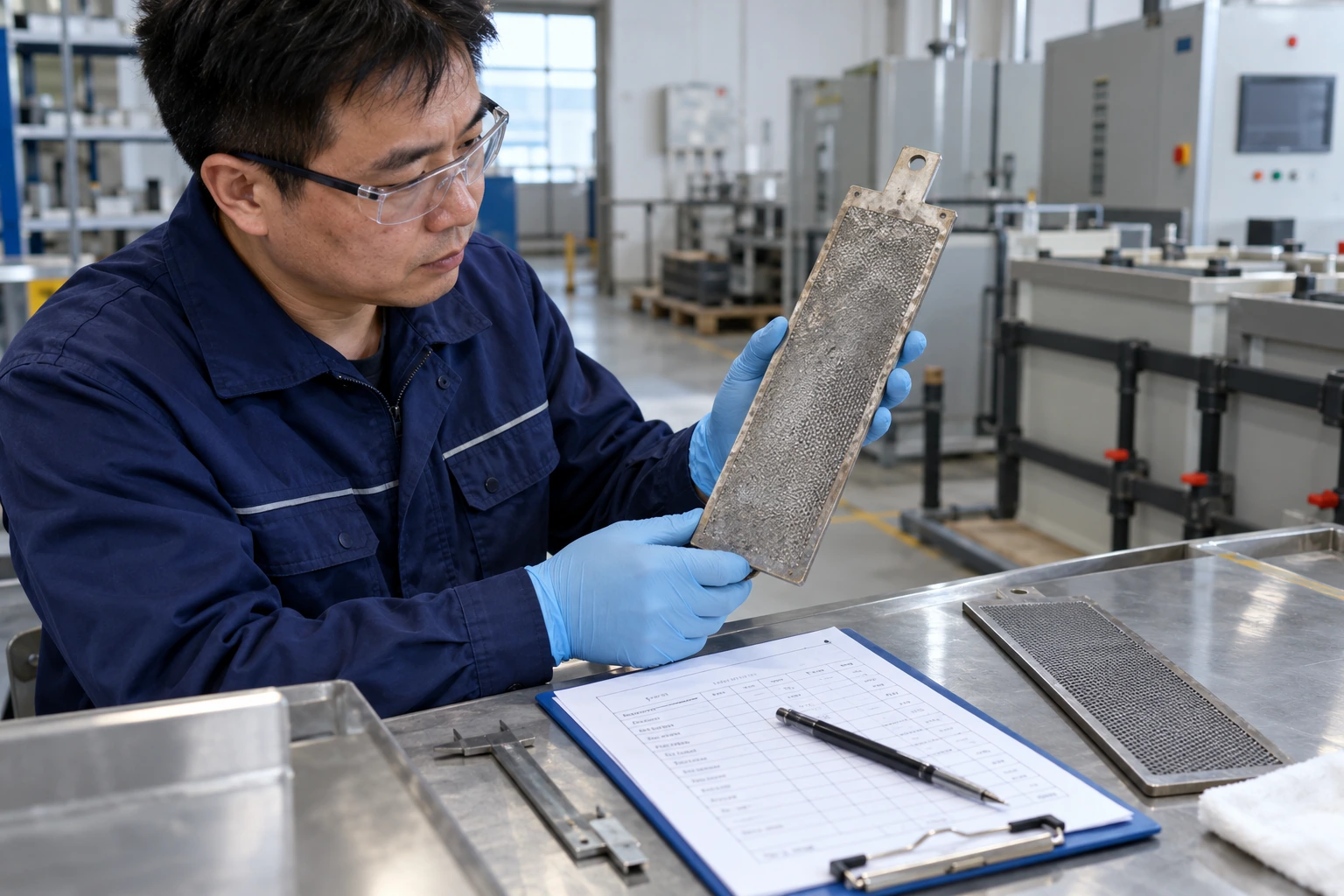
Titanium electrode recoating is worth reviewing when the support retains useful condition and refurbishment could meet the required application. Inspection must precede a firm reuse decision.
What condition would justify reuse?
Separate coating wear from support damage. Document distortion, localized damage and connection condition. A visually tired surface does not establish whether the underlying structure remains acceptable.
- Record service and cleaning history.
- Inspect critical dimensions.
| Check | Decision |
|---|---|
| Support potentially suitable | Proceed to technical assessment |
| Support condition uncertain | Do not assume reuse is viable |
Define the inspection question before requesting a price. Key Takeaway: Recoating feasibility starts with the component that must survive refurbishment.
2. What survives a Titanium electrode recoating process?
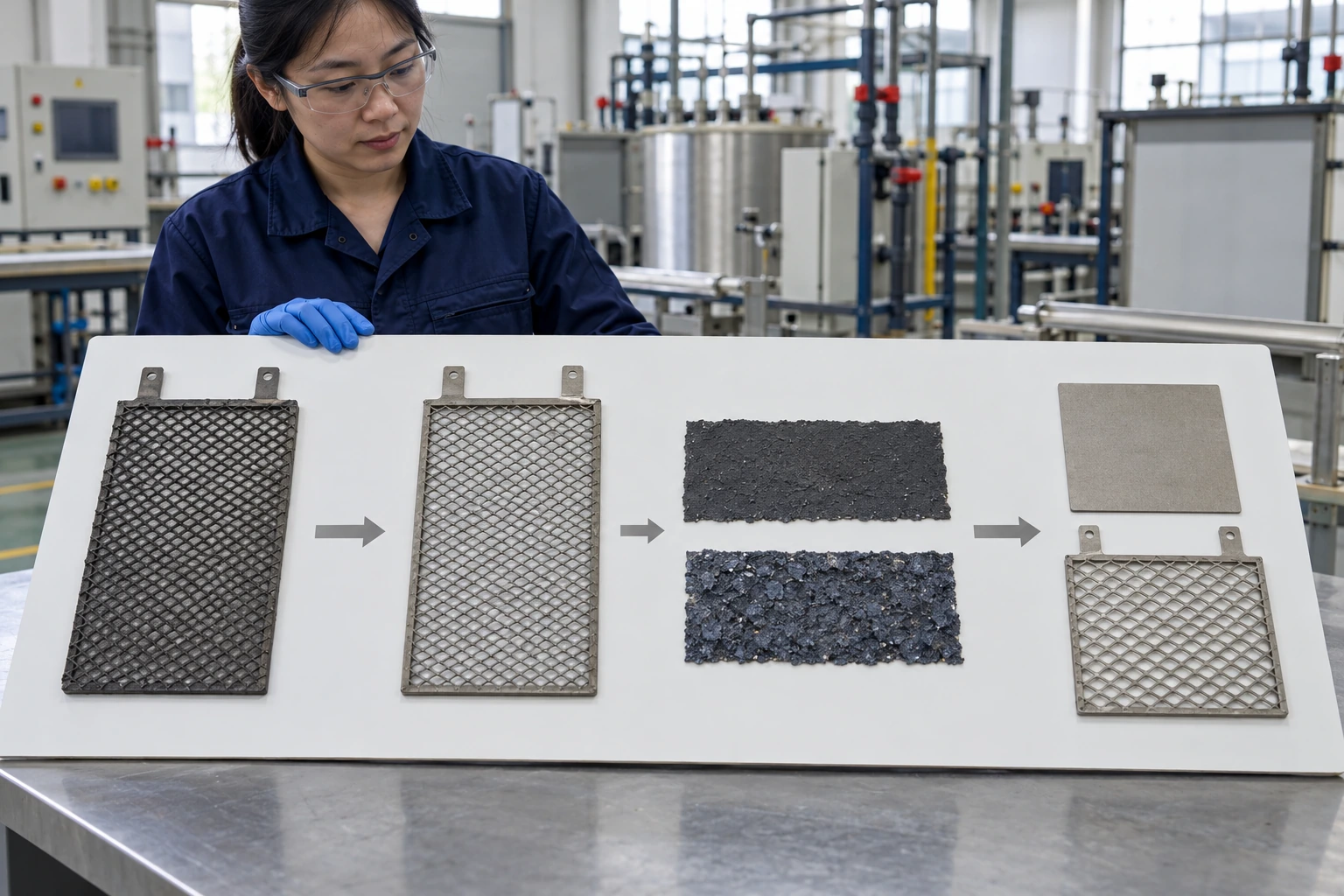
A Titanium electrode recoating process aims to retain suitable support material while renewing a qualified active surface. Actual retained features and treatment scope depend on the component and process.
Which features will be reused?
Define the refurbishment boundary. Identify substrate, welds, terminals and attached parts separately. Ask the proposed service provider which features are inspected, replaced or excluded.
- List retained and replaced components.
- State the intended new coating duty.
| Check | Decision |
|---|---|
| Retained structure | Needs condition acceptance |
| Renewed surface | Needs a qualified specification |
Keep structural and coating acceptance distinct. Key Takeaway: A renewed coating cannot compensate for an unsuitable support.
3. How should Titanium electrode substrate damage be assessed?
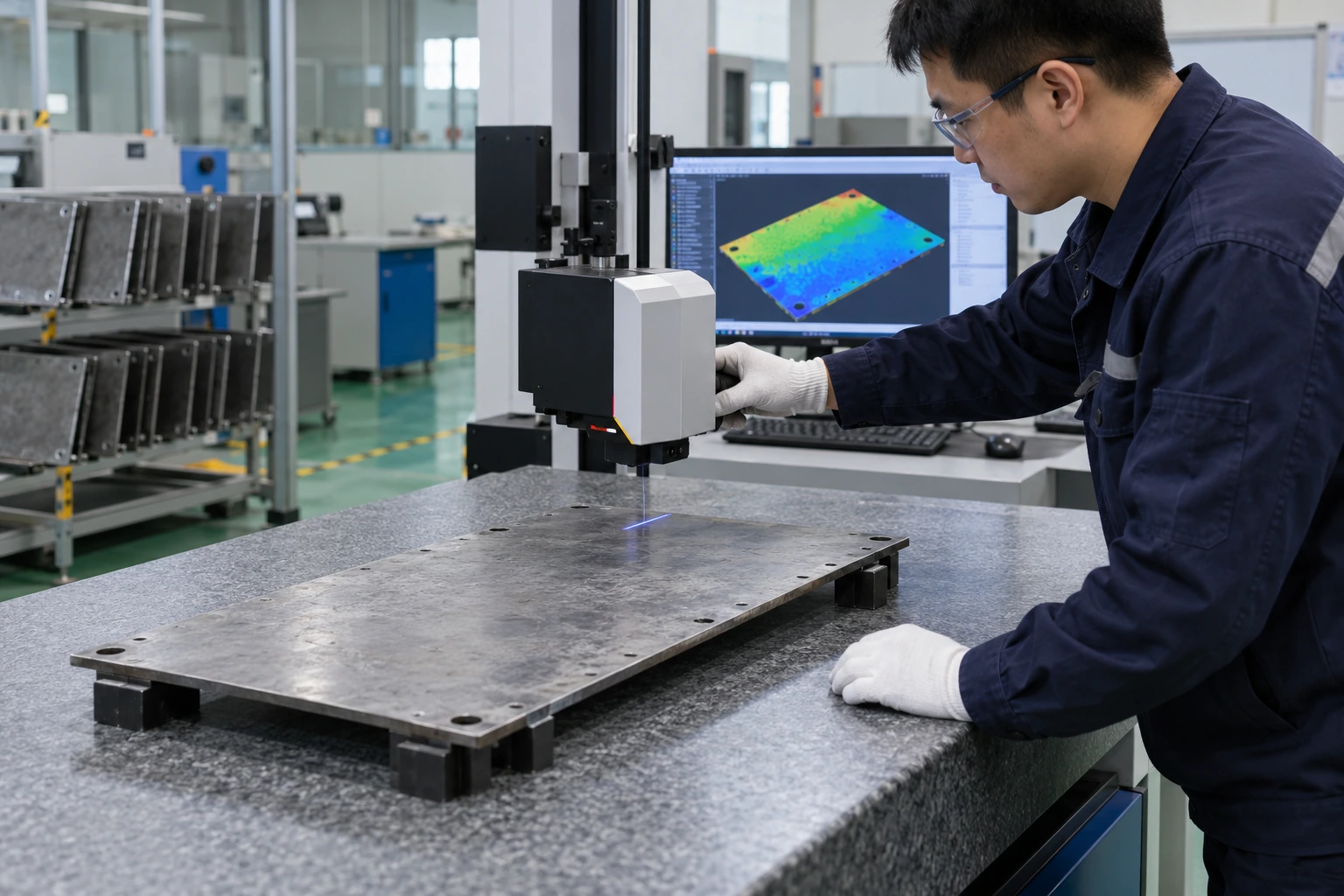
Titanium electrode substrate damage should be assessed with methods suited to the suspected defect and intended service. Appearance alone may miss dimensional or structural problems.
What damage would affect function?
Inspect against the drawing. Review thickness, flatness and relevant interfaces with qualified personnel. Use additional examinations where the component history or observed condition warrants them.
- Identify acceptance criteria beforehand.
- Map damage locations.
| Check | Decision |
|---|---|
| Visible condition | Preliminary evidence |
| Specified inspection | Supports a reuse decision |
Match inspection depth to the consequence of failure. Key Takeaway: Reuse needs a defined acceptance basis, not a general impression.
4. Can every Titanium electrode coating be stripped safely?
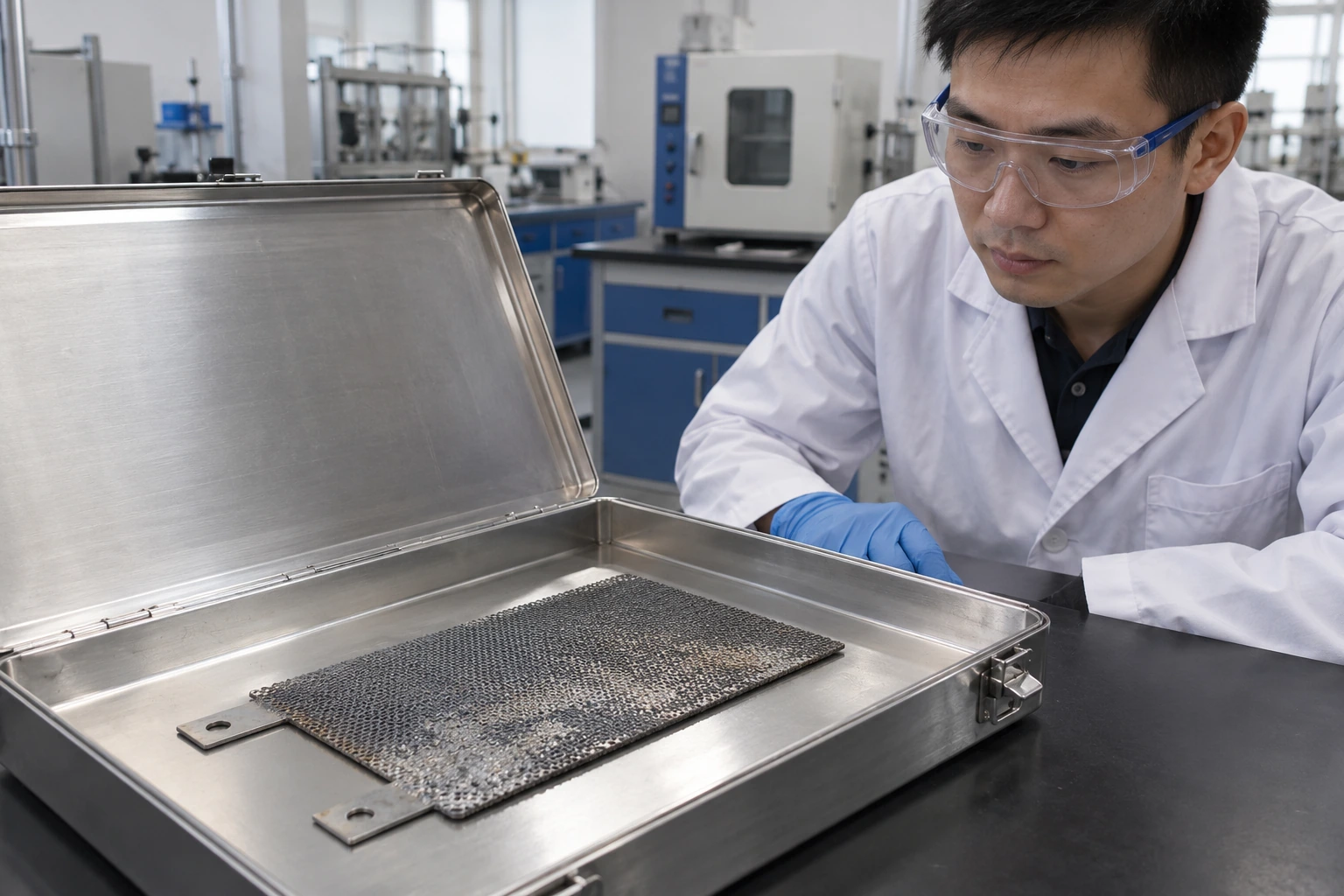
Not every Titanium electrode coating can be removed through the same process without affecting its support. Stripping and preparation require a qualified specialist procedure.
What will removal do to the substrate?
Ask about process compatibility. Include old coating identity and service residues in a custom engineering review. Do not improvise chemical stripping or abrasive preparation from a generic online recipe.
- Disclose known coating history.
- Confirm handling and decontamination requirements.
| Check | Decision |
|---|---|
| Unknown prior treatment | Adds refurbishment uncertainty |
| Reviewed removal process | Supports controlled preparation |
Resolve process suitability before shipment. Key Takeaway: Coating removal is part of qualification, not an interchangeable cleaning step.
5. Do Titanium electrode dimensions change during refurbishment?
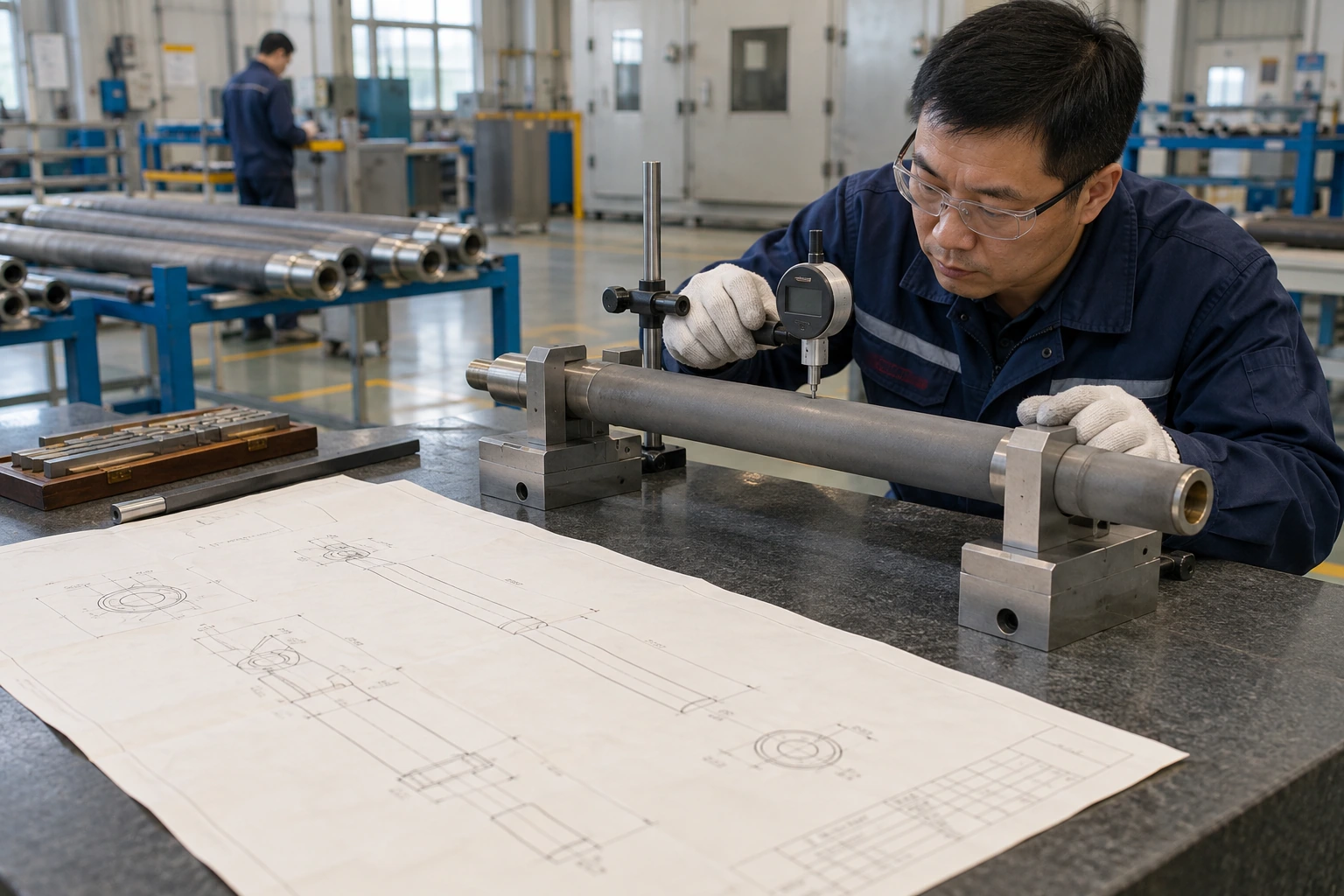
Titanium electrode dimensions can change during refurbishment through material removal, repair or renewed surface treatment. Critical interfaces need checks against the current released drawing.
Will the refurbished part still fit correctly?
Identify functional dimensions. Review spacing, sealing lands and terminal positions and the external outline. Do not assume mechanical fit establishes unchanged active area or electrical duty.
- Measure relevant before-and-after dimensions.
- Retain the current drawing revision.
| Check | Decision |
|---|---|
| External fit | One acceptance criterion |
| Functional geometry | Includes operating interfaces |
Compare the complete interface set. Key Takeaway: Dimensional acceptance should cover how the electrode operates, not only how it mounts.
6. What happens to Titanium electrode welds and terminals?
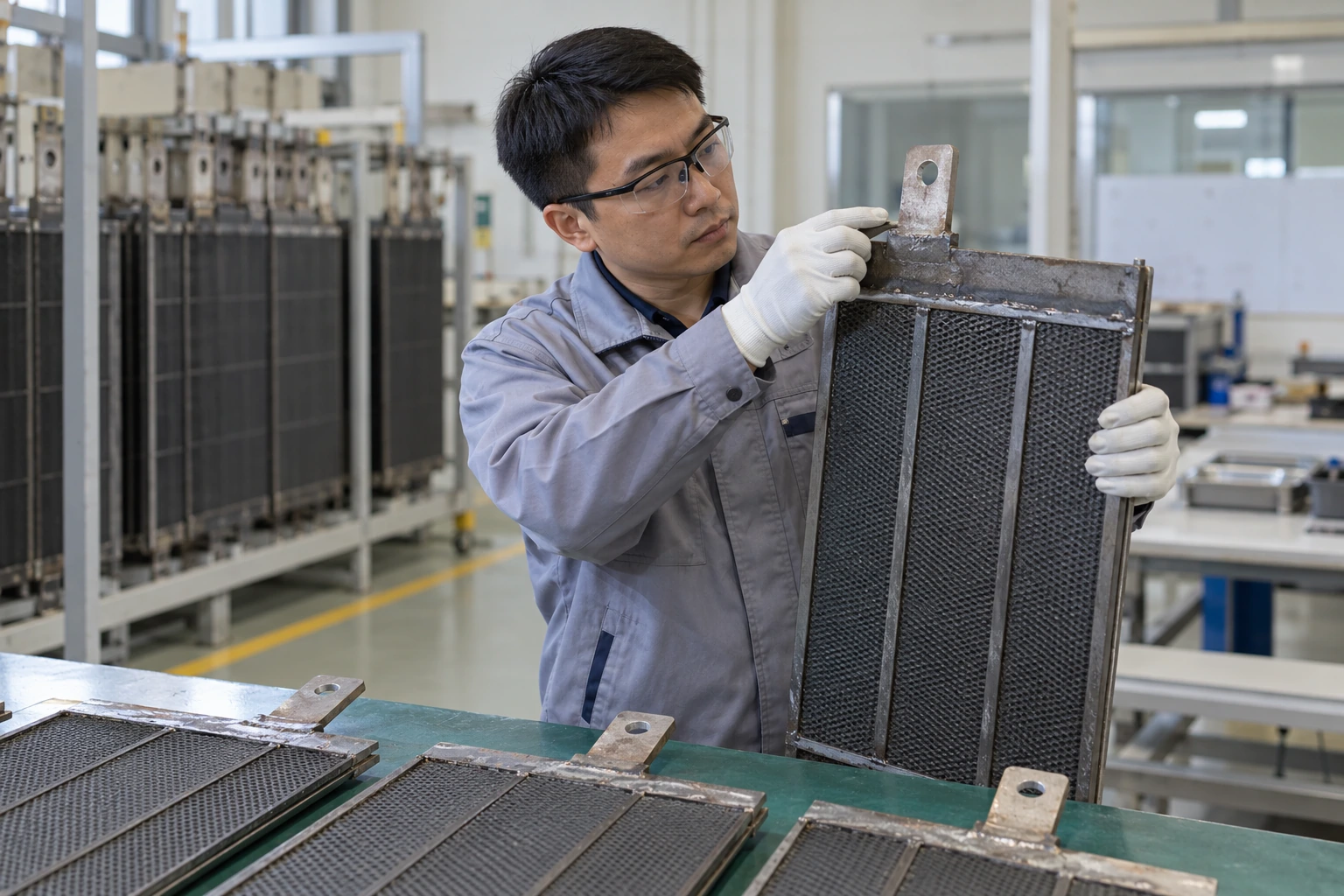
Titanium electrode welds and terminals require separate inspection because their condition may govern whether refurbishment is practical. A fresh coating does not repair every connection defect.
Which interfaces carry load and current?
Review each connection feature. Ask whether repair is permitted and how it will be verified. Keep any changed terminal geometry within a documented engineering review.
- Record weld and contact condition.
- Define permitted repairs.
| Check | Decision |
|---|---|
| Sound interface | May support reuse |
| Unqualified repair | Requires additional review |
Address connection integrity before coating release. Key Takeaway: Evaluate the complete current-carrying assembly when considering refurbishment.
7. Can recoating change Titanium electrode application suitability?

Recoating can change Titanium electrode application suitability if the new surface specification or intended duty differs from its previous use. Past service is not automatic approval for a revised process.
Is the new application truly equivalent?
Compare old and new duty. State chemistry, polarity, temperature and active-area requirements. Treat a changed coating system as an engineering change with its own evidence needs.
- Identify changed reaction requirements.
- Keep coating specifications traceable.
| Check | Decision |
|---|---|
| Equivalent reviewed duty | May support a narrower qualification |
| Changed application | Needs a revised validation basis |
Qualify the refurbished specification you plan to use. Key Takeaway: Reuse of the substrate does not transfer every previous operating approval.
8. How should a recoated Titanium electrode be qualified?
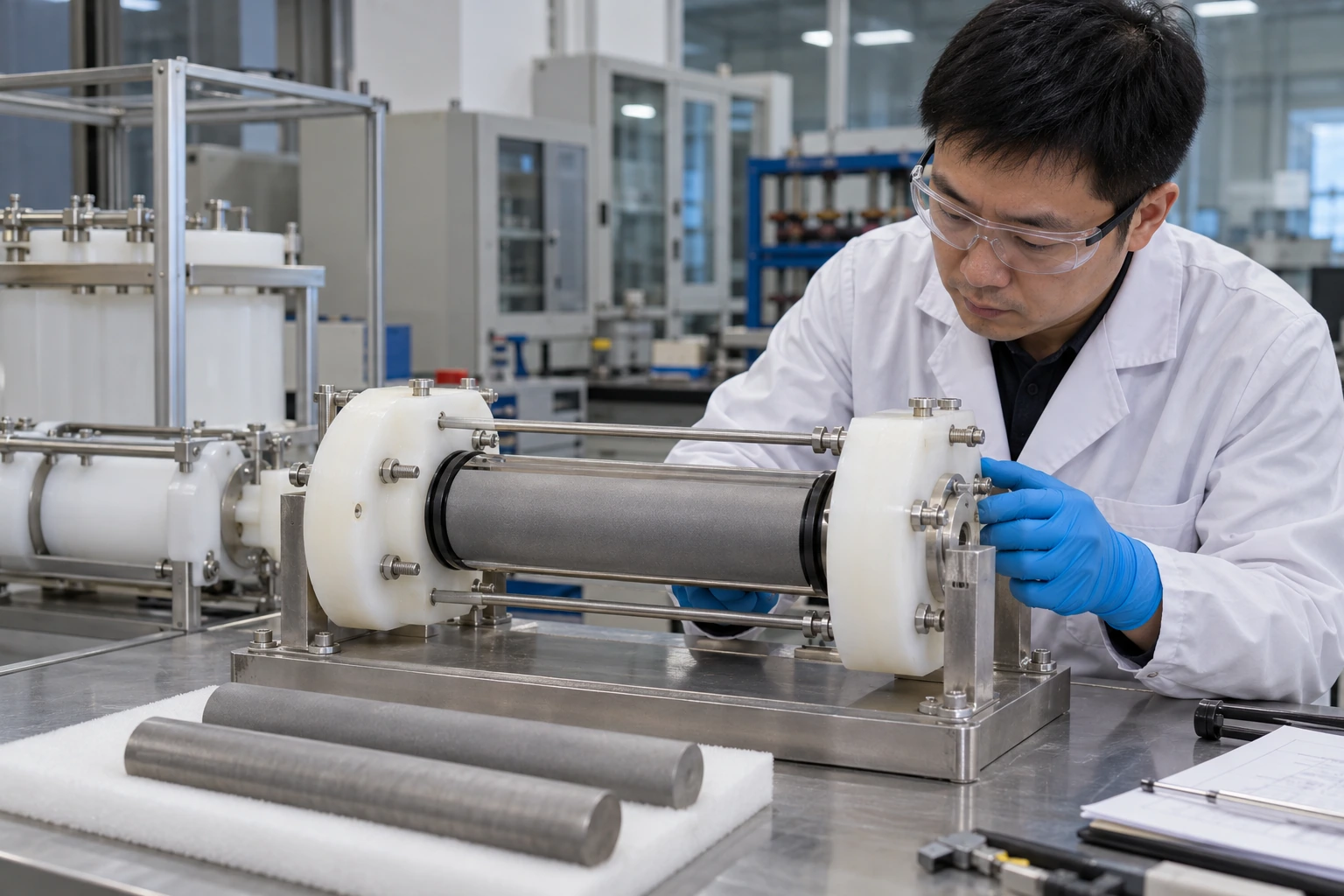
A recoated Titanium electrode should be qualified against agreed dimensional, surface and operating criteria appropriate to its use. Refurbishment acceptance is broader than checking whether the surface looks new.
What would make the part ready for service?
Write the acceptance plan. For water-treatment applications, include the product and material criteria relevant to the revised component. State what a short sample trial does not establish about long-term durability.
- Retain refurbishment identity and records.
- Define inspection and test endpoints.
| Check | Decision |
|---|---|
| Appearance accepted | Limited visual evidence |
| Application requirements checked | Stronger release basis |
Match acceptance with the intended duty. Key Takeaway: Release a recoated electrode through defined checks rather than appearance alone.
9. How do you compare Titanium electrode repair and replacement?
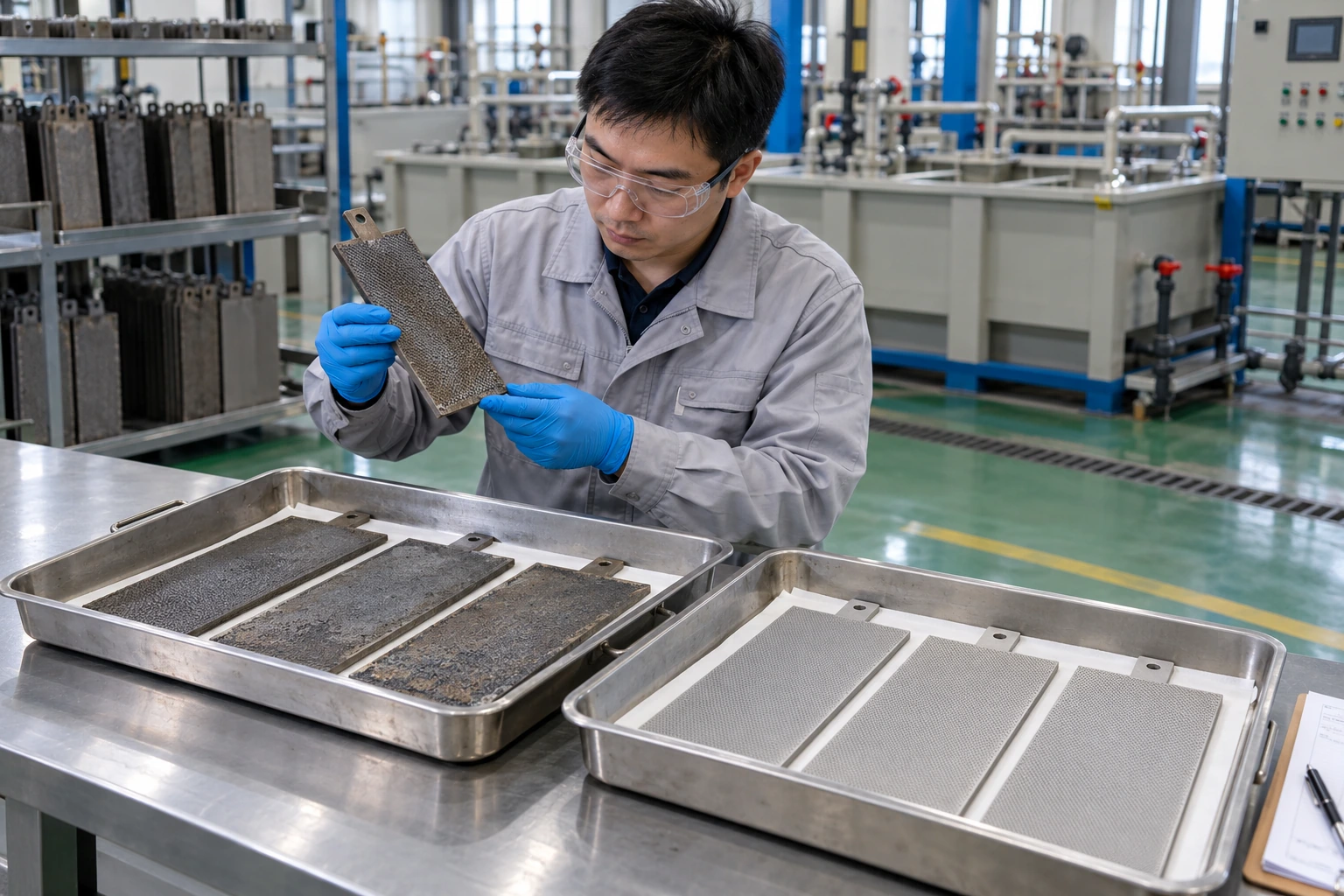
Titanium electrode repair and replacement should be compared using qualified scope, expected downtime and remaining uncertainty. A lower quoted treatment price may exclude inspection, transport or rejected-part risk.
What does each quotation include?
Compare complete scopes. Keep unsupported lifetime assumptions out of the financial comparison. Ask how unsuitable returns and additional repair findings are handled before committing to a refurbishment route.
- List included inspection and qualification.
- Clarify rejected-component disposition.
| Check | Decision |
|---|---|
| Treatment price only | Incomplete purchasing comparison |
| Defined delivered scope | Supports a more useful decision |
Resolve exclusions before ranking quotations. Key Takeaway: Compare accepted usable components rather than nominal recoating charges.
10. What Titanium electrode return information should you provide?
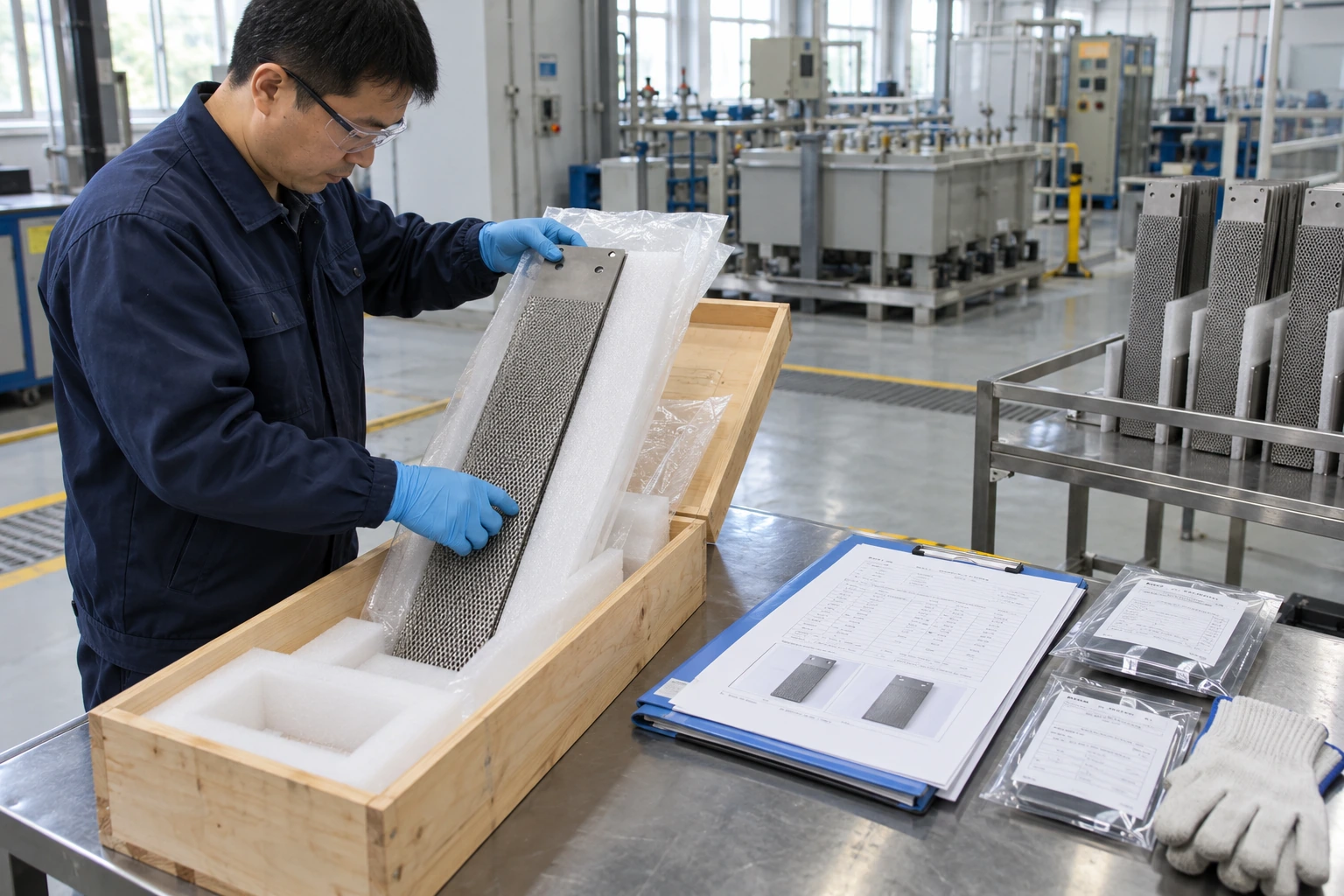
A Titanium electrode return review needs service history, condition photographs, drawings and verified handling status. Confirm whether inspection or recoating service is actually available before sending hardware.
Ask about feasibility before shipping
Send the evidence package. When you contact us today, we can discuss electrode requirements and whether a refurbishment review or new component quotation fits your case. Our position favors condition-based recommendations over automatic reuse.
- Confirm recipient acceptance instructions.
- Identify unresolved material or residue hazards.
| Check | Decision |
|---|---|
| Documented component | Supports feasibility screening |
| Uncertain return condition | Needs clarification before transport |
Agree on scope before dispatch. Key Takeaway: Obtain a technical disposition before treating recoating as an assured saving.
Frequently Asked Questions
Can I recoat every used titanium anode? No. Substrate, welds, connections and treatment compatibility must be assessed.
What's the best way to remove an old coating? Use a qualified refurbishment procedure, not an improvised chemical or abrasive method.
How do I know if reuse is economical? Compare complete accepted scope, downtime and uncertainty rather than treatment price alone.
Can I change coating type during refurbishment? Possibly, after application and process review with appropriate requalification.
Can I ship a used part for inspection immediately? Confirm receiver instructions, decontamination status and applicable handling requirements beforehand.