
Retain a Titanium electrode sample when an agreed reference from a production lot could help investigate later differences in condition or performance. A complaint months after delivery often starts with two parts and incomplete records. Without sample identity or storage history, their differences can remain unexplained. A defined retention plan preserves comparison evidence without pretending one coupon proves every delivered electrode.
1. Why retain a Titanium electrode sample?
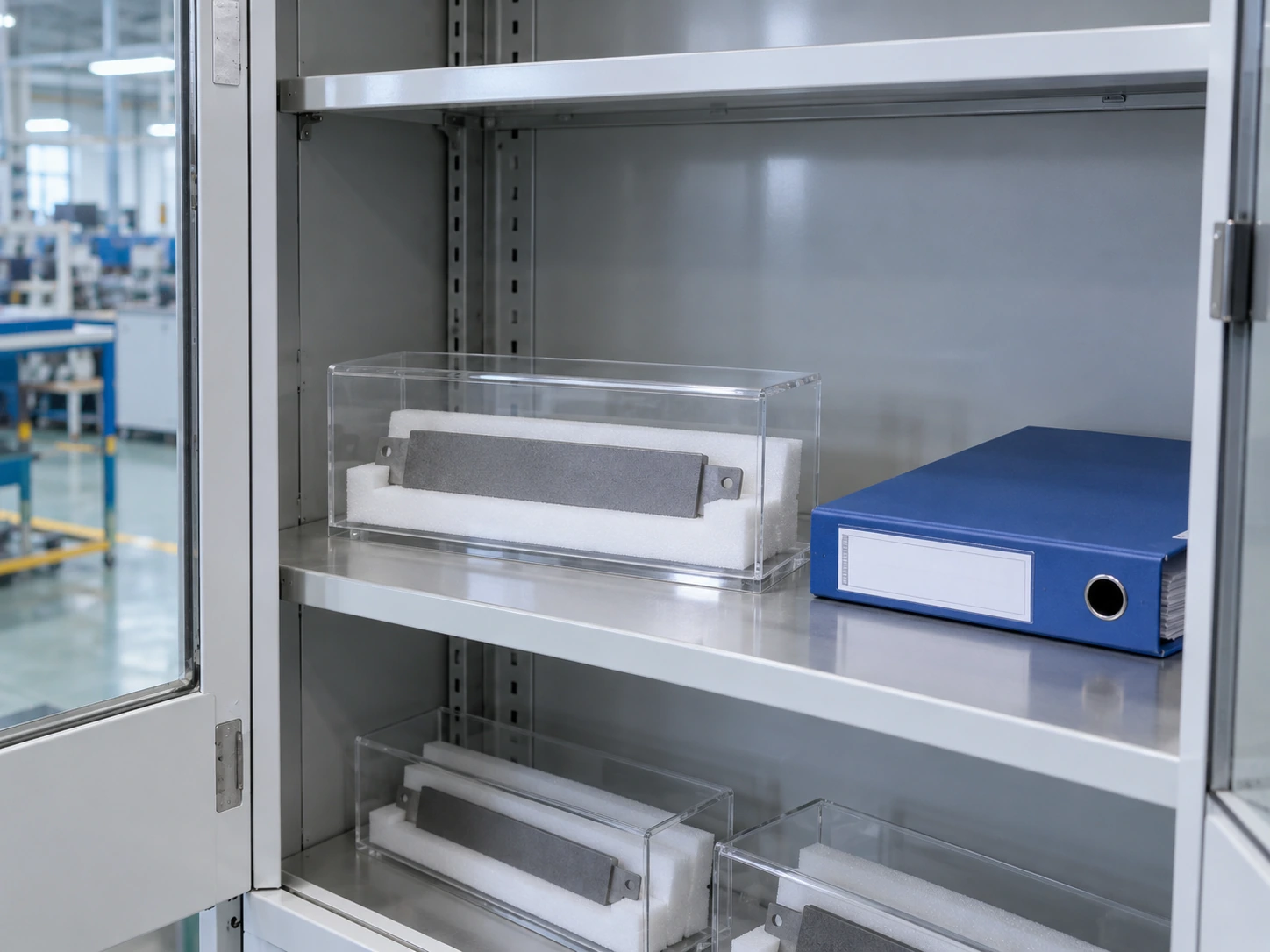
A retained Titanium electrode sample preserves a documented specimen from a defined production population for later examination. Its usefulness depends on identity, representative selection and controlled handling.
What question could the sample answer later?
Choose a purpose before keeping a part. You might need a coating reference, dimensional comparison or material-analysis specimen. Select retention evidence for those questions rather than filling shelves with unidentified spares.
- Define the intended comparison.
- Record the sample's production relationship.
| Check | Decision |
|---|---|
| Unidentified spare | Weak investigation evidence |
| Traceable retained specimen | Supports a bounded comparison |
Retention value comes from context as much as material. Key Takeaway: Keep a sample with a clear future use and a known origin.
2. How does a Titanium electrode sample differ from a standard?
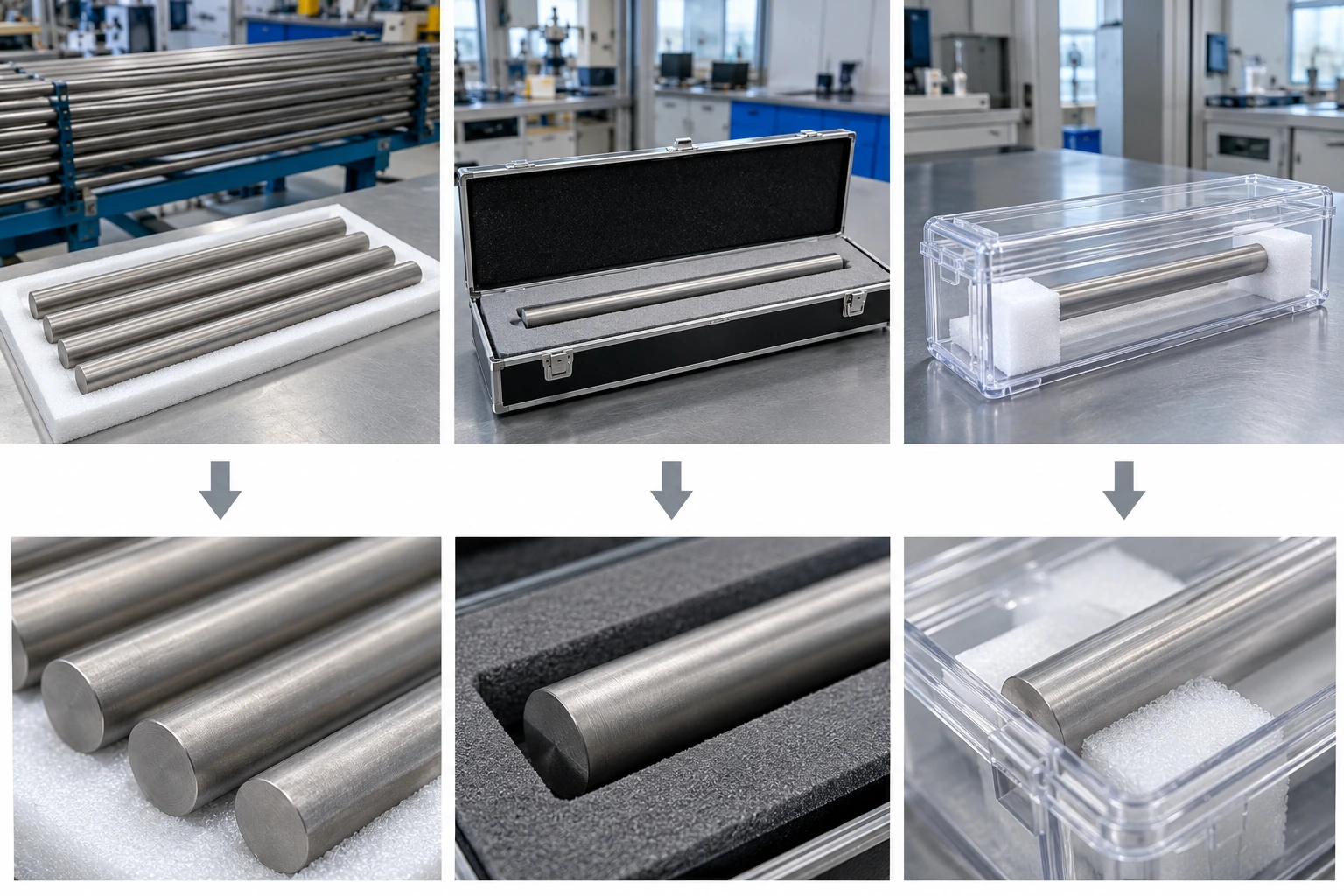
A retained Titanium electrode specimen differs from an approved design sample or certified reference material because each has another evidentiary role. A production retain does not become a calibration standard through storage.
Which reference does your report mean?
Name the reference role. An approved sample may illustrate agreed appearance, while a certified material has specifically documented properties and uncertainty. Use each only for the purpose supported by its records.
- Separate design approval from lot retention.
- Keep calibration evidence distinct.
| Check | Decision |
|---|---|
| Retained production sample | Evidence from an identified lot |
| Certified reference material | Specified property evidence for defined use |
Avoid transferring authority between unlike sample types. Key Takeaway: Label what a reference proves before relying on it.
3. Which Titanium electrode lot should a sample represent?
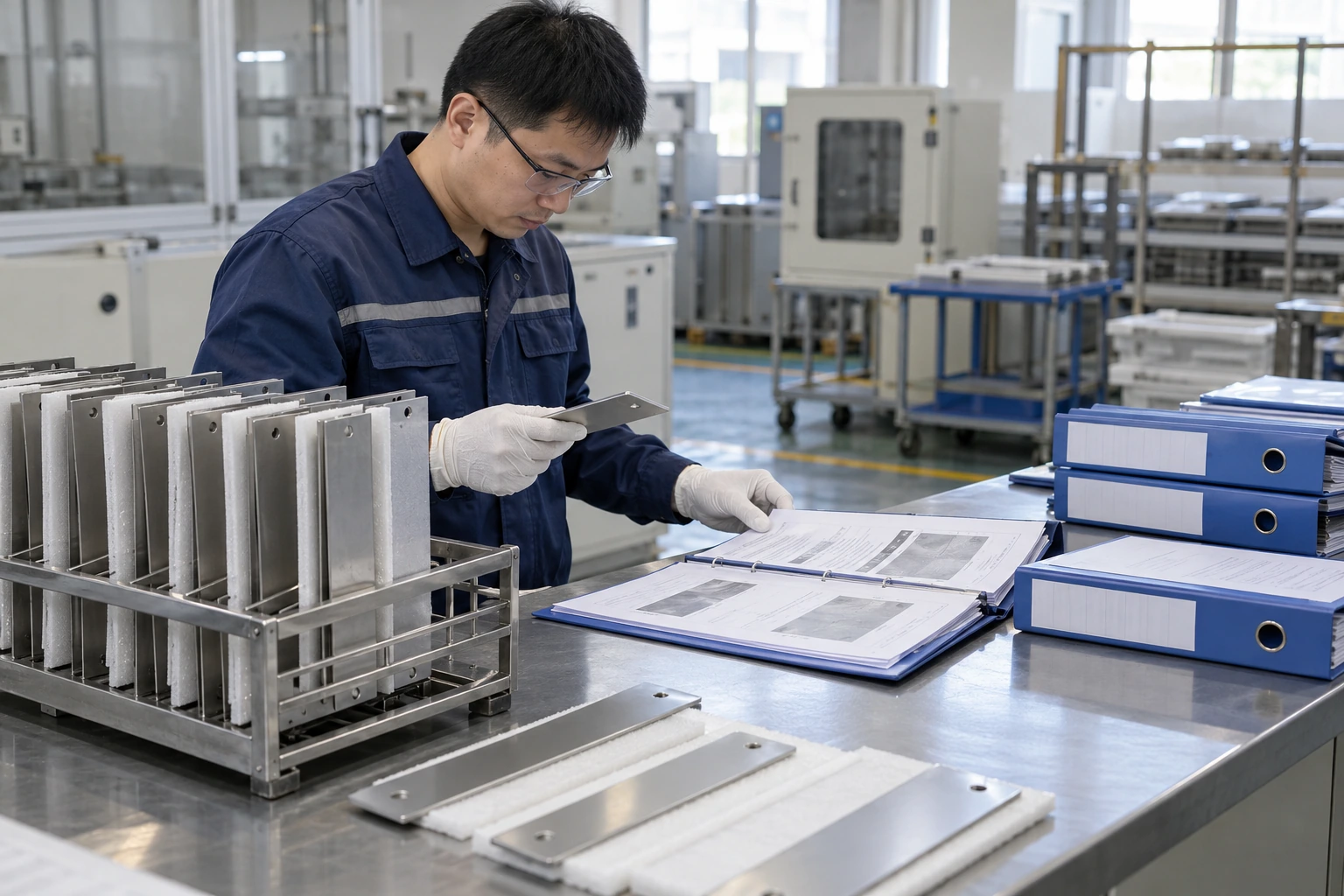
A Titanium electrode retention sample should represent the production grouping defined by the agreed quality plan. Substrate heat, coating run and finished-part lot may follow different boundaries.
Which production events belong together?
Define the lot before selecting the retain. Explain how sample selection relates to the manufacturing sequence. If several coating runs share an order number, one specimen may not describe every run equally.
- Record relevant production identifiers.
- State the selection method.
| Check | Decision |
|---|---|
| Purchase order | Commercial grouping |
| Defined production lot | Technical traceability grouping |
Use manufacturing relationships rather than an invoice alone. Key Takeaway: Agree on the population the sample is intended to represent.
4. How should a Titanium electrode sample be identified?
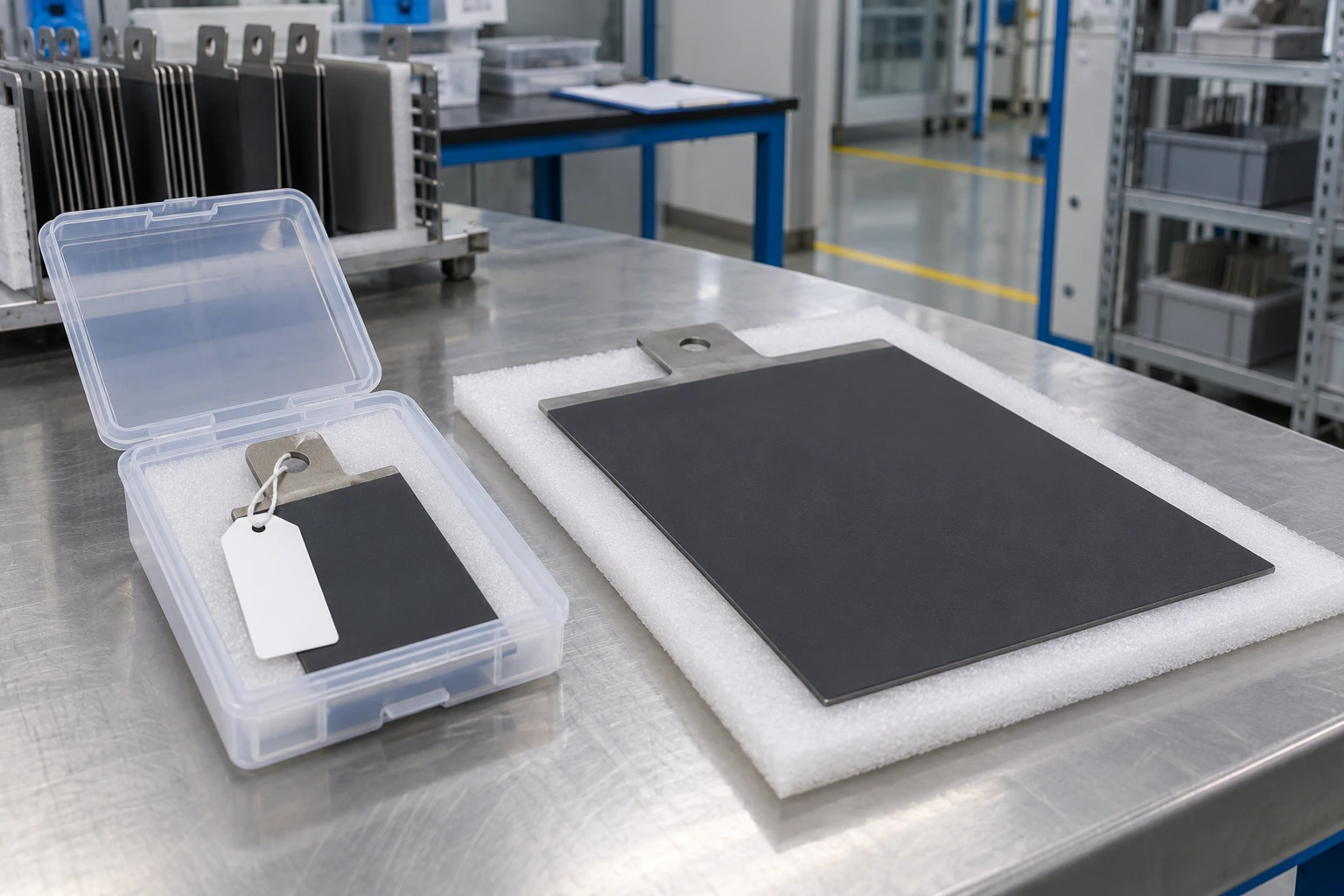
A Titanium electrode retain should carry an identity linked to its part revision, production lot and handling record without marking or damaging active surfaces. External packaging and controlled records can preserve that link.
Can the identity survive repacking?
Link the part, holder and record. Include identification placement in a custom engineering review. Record any transfer between containers so a later investigator can follow custody without guessing from appearance.
- Use approved nonactive identification locations.
- Document custody or location changes.
| Check | Decision |
|---|---|
| Label on packaging only | Needs controlled transfer practice |
| Linked identity record | Supports continuity through handling |
Check the link whenever the sample moves. Key Takeaway: Traceability should remain intact after inspection or repacking.
5. What storage keeps a Titanium electrode sample useful?
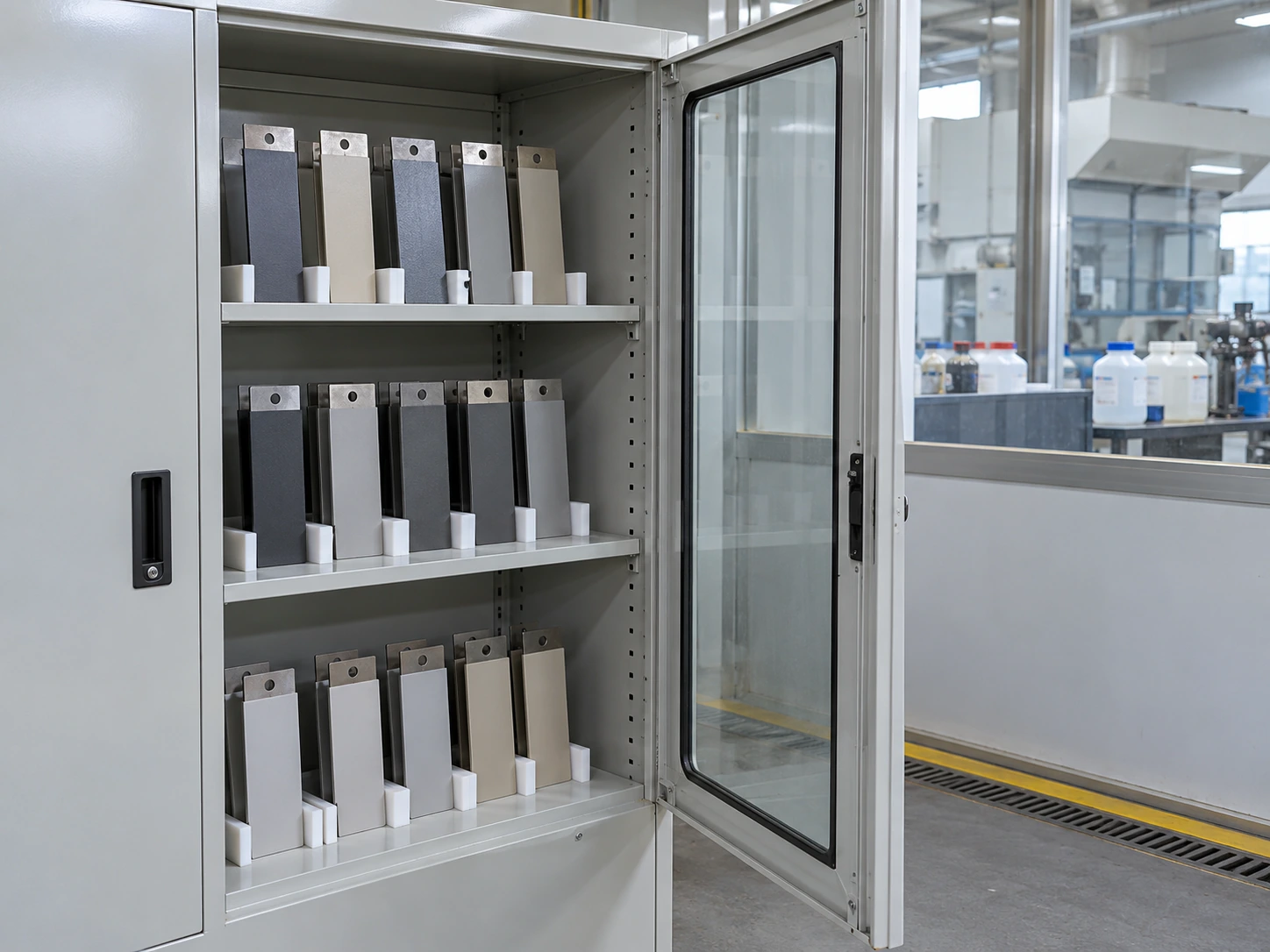
Storage keeps a Titanium electrode retain useful when it protects relevant surfaces and preserves the documented condition. Requirements depend on coating, attached materials and whether the specimen has seen service.
Could storage create the difference you later measure?
Control the comparison history. Avoid unapproved surface contact, chemical exposure or moisture conditions. Follow supplier-specific storage instructions rather than assuming every titanium assembly has identical needs.
- Protect coating and connection surfaces.
- Record abnormal storage events.
| Check | Decision |
|---|---|
| Controlled history | Makes later interpretation easier |
| Unknown exposure | Adds an alternative explanation |
Treat storage conditions as part of the evidence. Key Takeaway: A changed retain may no longer represent its original condition.
6. Can a retained Titanium electrode prove batch quality?
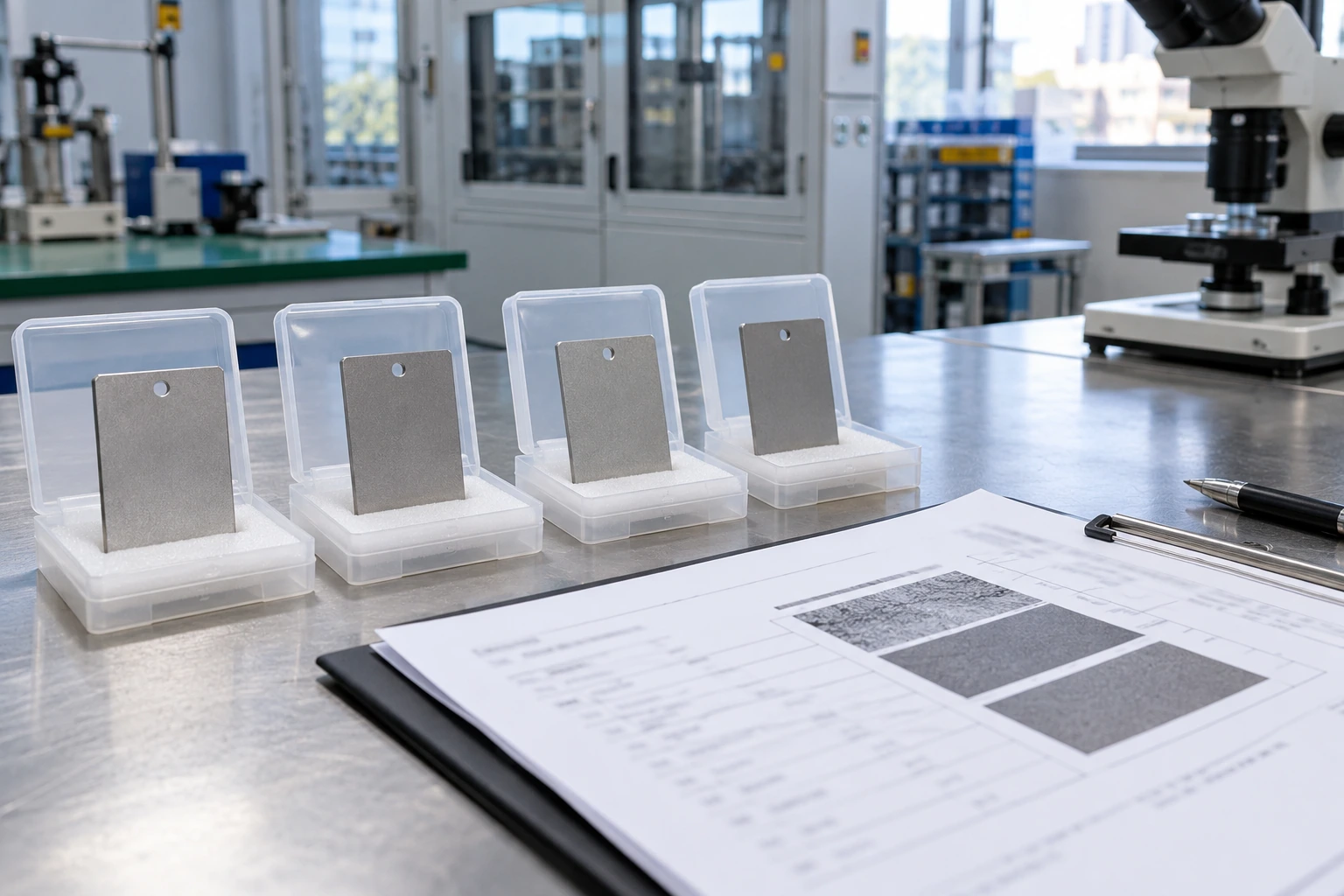
A retained Titanium electrode cannot prove every item in a lot meets every requirement unless the acceptance scheme supplies that inference. Sampling has limits that should remain explicit.
What does one specimen leave unseen?
Keep inspection and retention separate. A retain supports future work; it does not replace the agreed production checks. A favorable later test should not erase evidence of a defect found on another delivered part.
- Retain the original acceptance records.
- State sample-selection limitations.
| Check | Decision |
|---|---|
| Retention specimen | Future investigation resource |
| Lot acceptance evidence | Defined inspection or sampling decision |
Judge each finding against its actual coverage. Key Takeaway: Do not use one good coupon as a blanket answer to a production complaint.
7. What tests can use a retained Titanium electrode?

A retained Titanium electrode can support approved dimensional, visual or analytical work if the specimen and method suit the question. Destructive testing may consume evidence needed by another reviewer.
Who can authorize sample-consuming work?
Agree on test permission. Record the proposed method, portion used and remaining material before analysis. Keep an untouched portion where the plan requires later independent comparison.
- Identify destructive and nondestructive methods.
- Record preparation and test history.
| Check | Decision |
|---|---|
| Nondestructive examination | May preserve further options |
| Sample-consuming analysis | Needs documented scope and permission |
Sequence testing around the evidence you need to preserve. Key Takeaway: A retained sample should not be consumed casually during an unresolved dispute.
8. How do you compare a retained and used Titanium electrode?
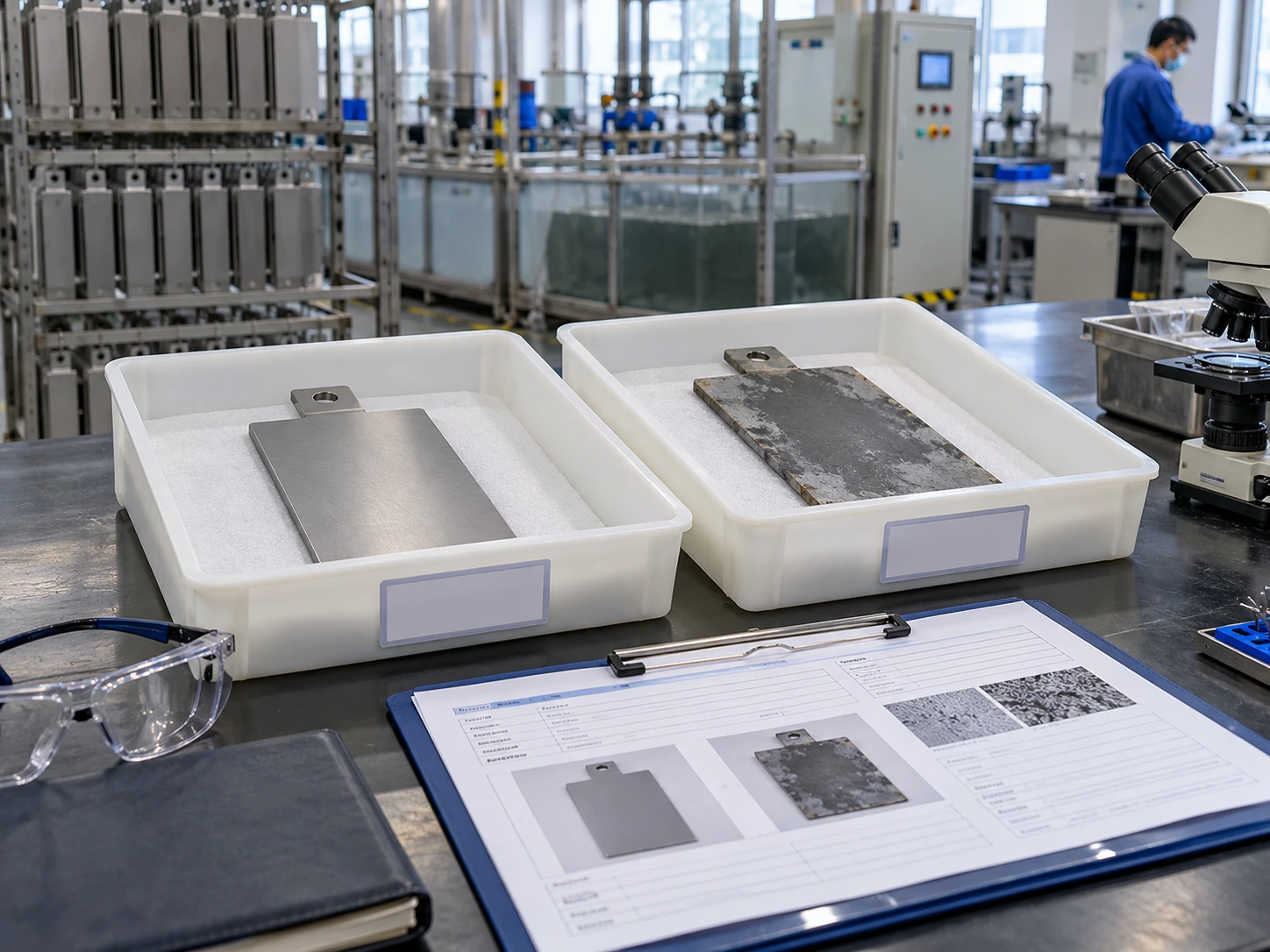
Comparing a retained and used Titanium electrode requires their different exposure histories to be considered. A pristine retain and a serviced part cannot isolate manufacturing variation without additional evidence.
Is the difference from production or service?
Bring both histories into the review. For water-treatment applications, include chemistry, current duty and cleaning alongside the retain's storage record. Describe observed differences before deciding what caused them.
- Use comparable measurement methods.
- Keep service and storage histories separate.
| Check | Decision |
|---|---|
| Observed difference | A condition to investigate |
| Manufacturing cause | Requires supporting evidence |
Choose the next test to distinguish plausible causes. Key Takeaway: A comparison sample narrows an investigation but does not assign cause by itself.
9. How long should you retain a Titanium electrode sample?

Titanium electrode retention duration should follow agreed business, technical and applicable record requirements for the project. There is no universal storage period that fits every coating and contract.
When does the sample stop serving its purpose?
Define retention and release rules. State who reviews ongoing need and authorizes disposition. If a complaint is open, follow the agreed evidence-preservation process before consuming or discarding material.
- Record the agreed review date or condition.
- Assign disposition authority.
| Check | Decision |
|---|---|
| Duration unspecified | Creates later uncertainty |
| Documented retention rule | Supports controlled storage and release |
Set the rule before production shipment. Key Takeaway: A retention plan needs an end condition as well as a storage location.
10. What Titanium electrode retention agreement should you request?
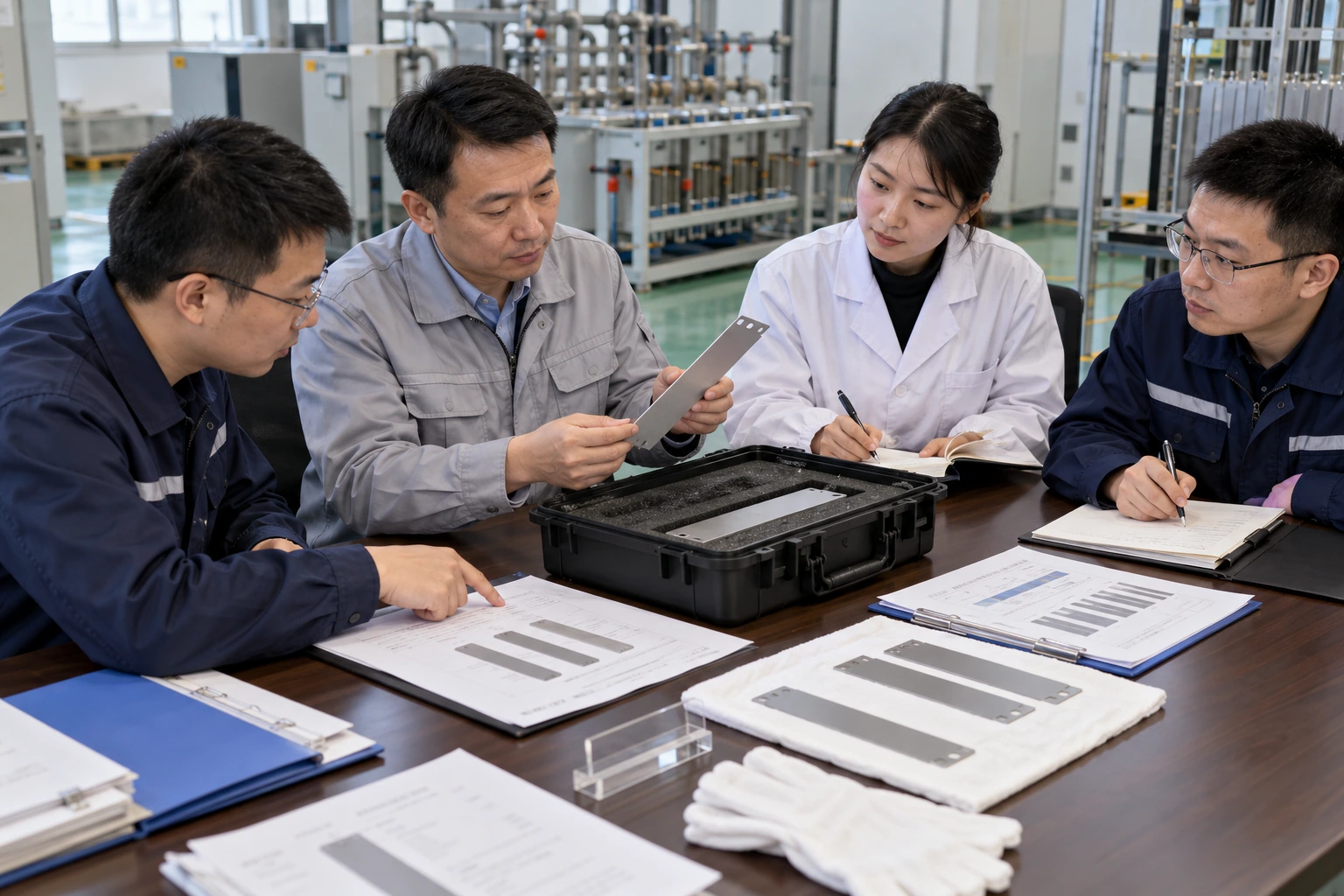
A Titanium electrode retention agreement should define lot representation, identity, storage, access and permitted testing. These records make retained specimens useful when production or service differences emerge.
Request a reference you can interpret
Send the investigation needs with the order. When you contact us today, we can review component documentation and sample requirements within your supply scope. We favor traceable evidence over assumptions based on a similar-looking spare.
- Specify sample ownership and access.
- Keep retention separate from warranty promises.
| Check | Decision |
|---|---|
| Defined sample plan | Preserves useful evidence |
| Unassigned responsibilities | Leaves avoidable gaps |
Agree on the evidence package before delivery. Key Takeaway: Retain an identified reference with the records needed to use it responsibly.
Frequently Asked Questions
Can I treat a retained coupon as a certified standard? No. Certification and reference properties need their own documented basis.
How do I know if one retain represents an entire order? Review the production-lot boundaries and selection plan; an order may contain several manufacturing groups.
Can I test the retain destructively during a dispute? Only through the agreed permission and evidence-preservation process.
What's the best retention period? Use a project-specific agreement that considers technical, contractual and applicable requirements.
Can I blame manufacturing when a used part differs from a retain? Not from that difference alone. Service and storage exposures must also be investigated.