
Check Titanium electrode chlorate risk through a validated sampling and analytical plan covering feed, fresh output and relevant storage conditions. A strong available-chlorine reading does not answer a chlorate question. If you approve equipment from that reading alone, product acceptance may remain unresolved. Define the analyte and sampling boundary before comparing coatings or generator settings.
1. Why consider chlorate in a Titanium electrode process?
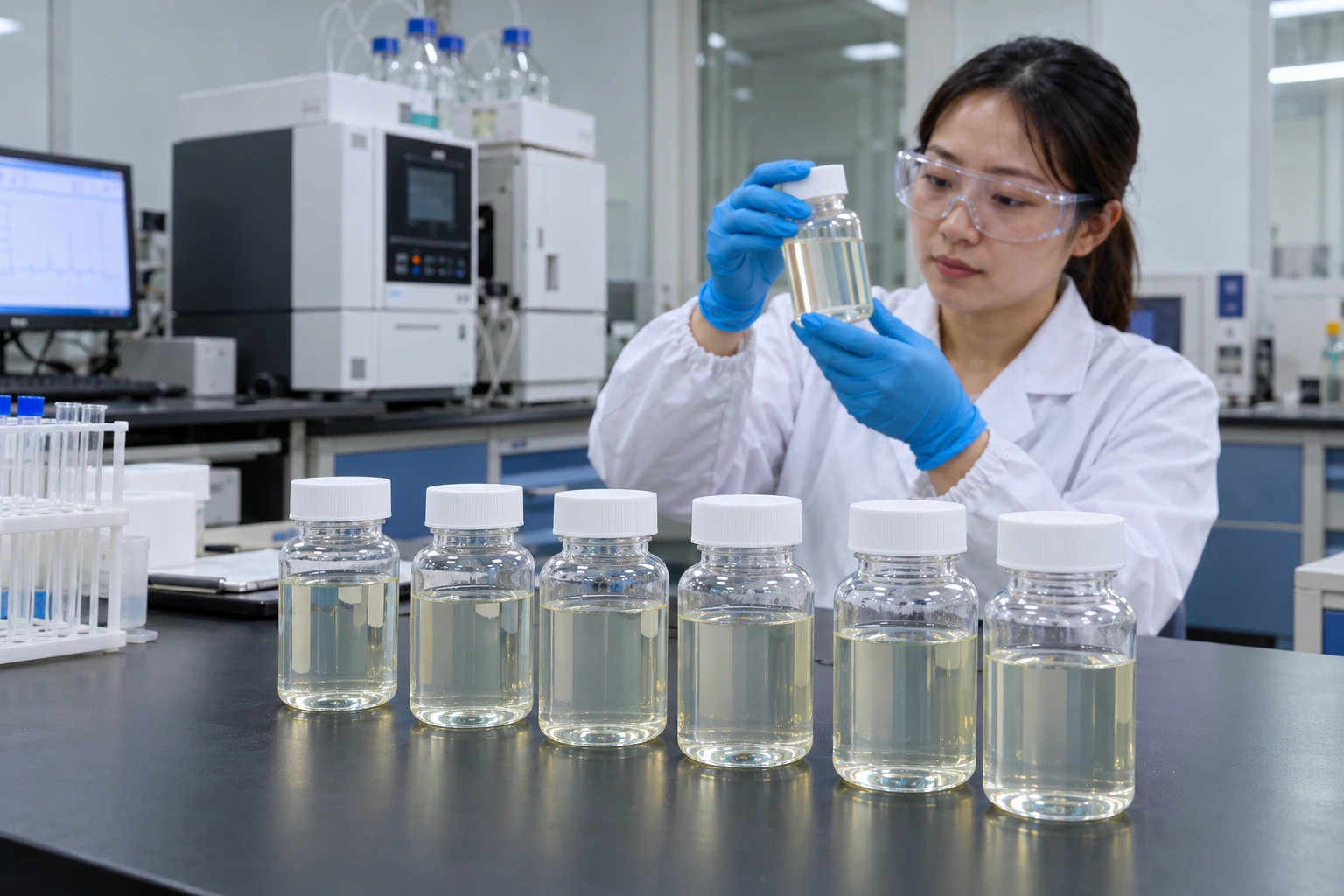
Chlorate deserves review in a Titanium electrode hypochlorite process when product composition or intended water use makes it relevant. Generation and subsequent solution history can both affect the assessment.
Which product requirement is at stake?
Name the acceptance question. Distinguish equipment performance from approval for a particular end use. Do not infer compliance from an anode material label or nominal generator output.
- Identify the intended application.
- Define required product analyses.
| Check | Decision |
|---|---|
| Generator output claim | Equipment performance context |
| Application acceptance | Separate product requirements |
Establish the applicable requirements before testing. Key Takeaway: A chlorate review starts with the product and use being evaluated.
2. Is Titanium electrode available chlorine a chlorate test?
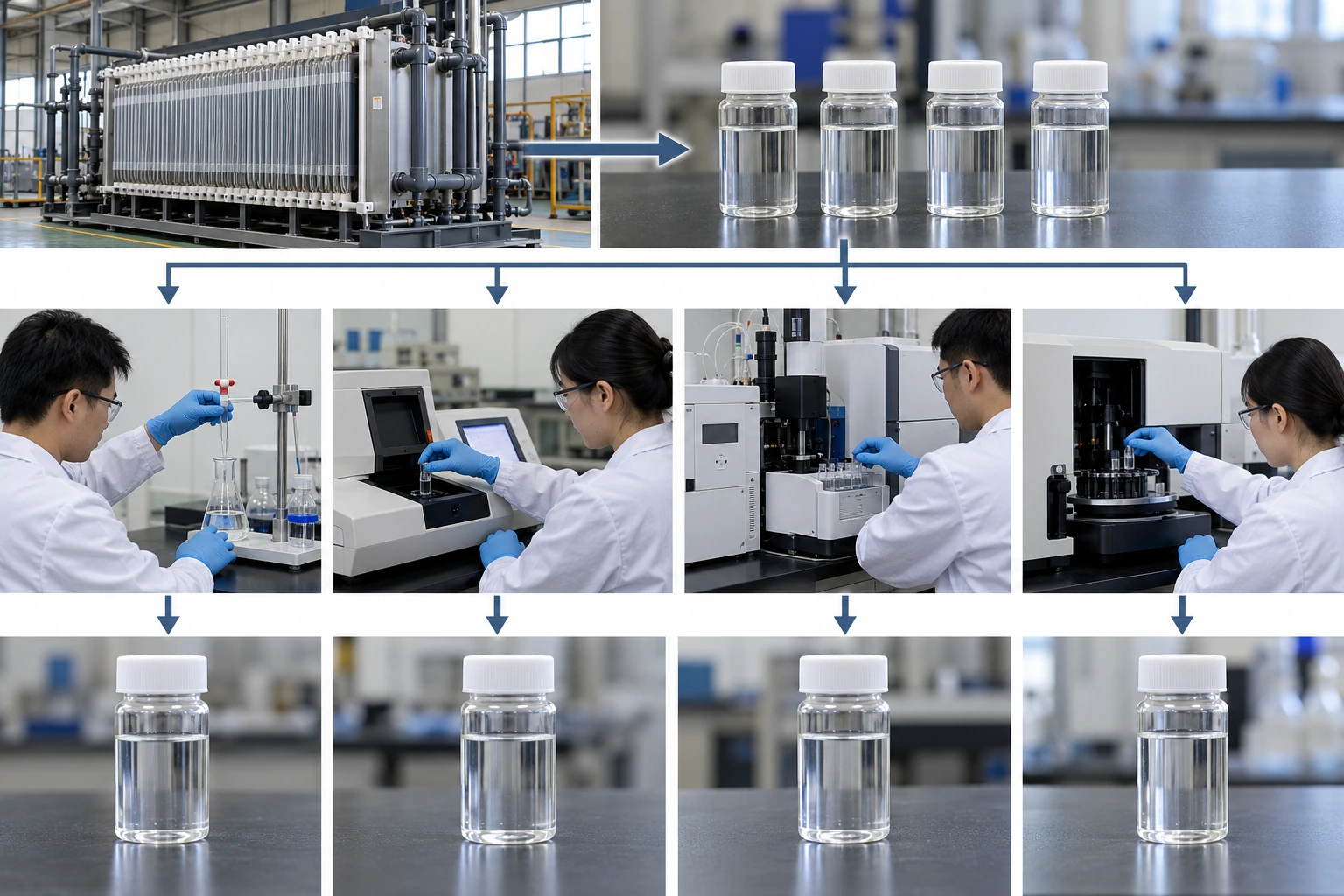
Titanium electrode available chlorine is not a chlorate test because the measurements describe different chemical quantities. A validated method must target the analyte of interest.
What does each laboratory result measure?
Keep the analyses separate. State analyte, units and sample preparation for both results. Avoid treating one favorable measurement as evidence that another constituent is absent.
- Name each reported analyte.
- Use appropriate validated methods.
| Check | Decision |
|---|---|
| Available chlorine | Defined oxidizing-capacity basis |
| Chlorate concentration | Specific chemical-analyte result |
Read each result within its method scope. Key Takeaway: Available chlorine cannot substitute for a chlorate measurement.
3. Where should Titanium electrode chlorate samples be collected?
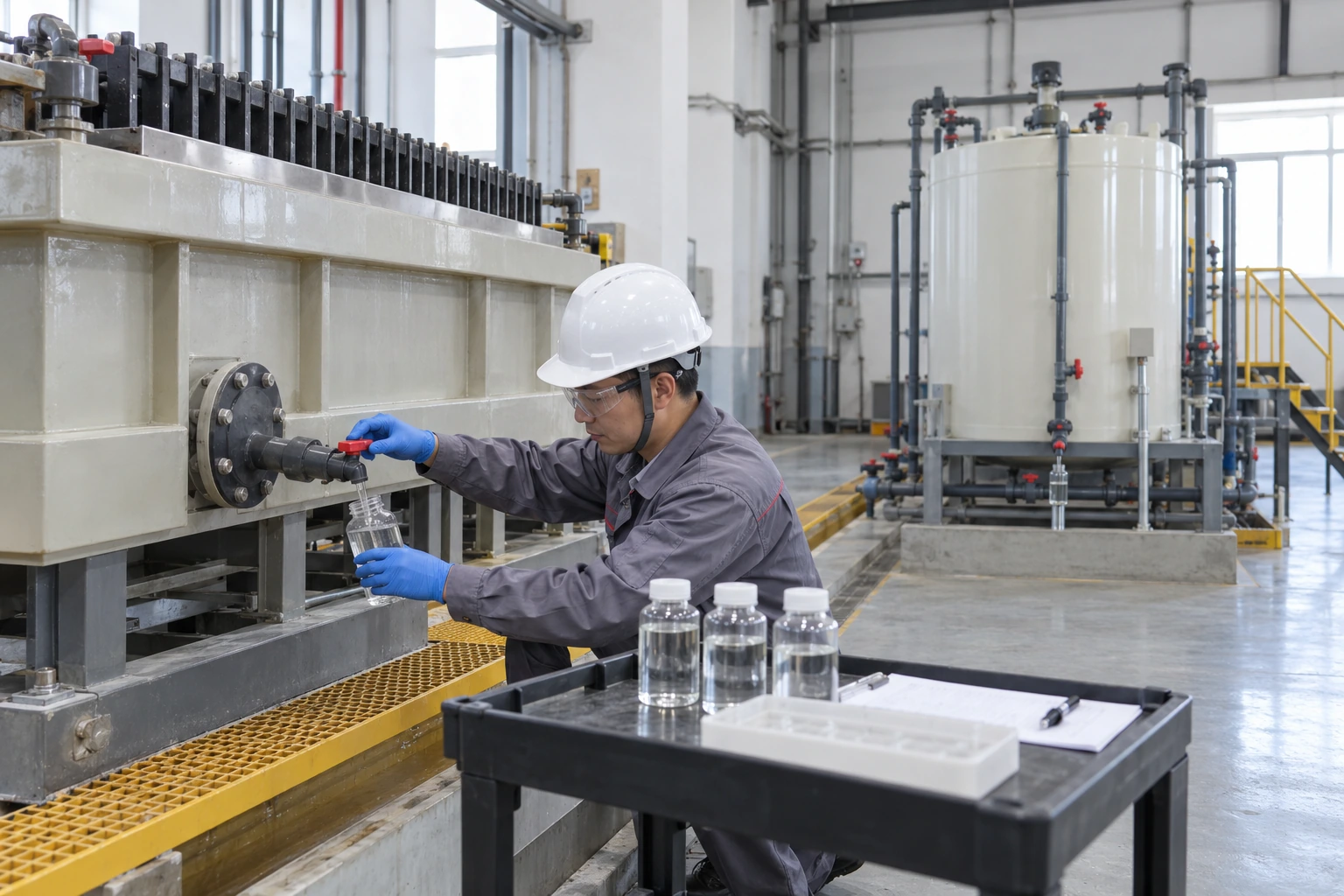
Titanium electrode chlorate samples should be collected at defined locations that distinguish feed background, fresh cell output and downstream storage. Sample handling must follow the selected analytical method.
Where did the measured material originate?
Map the sampling boundaries. Record collection timing and process state alongside location. A stored-tank sample includes history beyond the electrode's immediate output.
- Include relevant feed controls.
- Record collection and analysis times.
| Check | Decision |
|---|---|
| Fresh outlet | Closer to generation boundary |
| Stored product | Includes downstream conditions |
Match the sample with the claim being assessed. Key Takeaway: Sampling location determines which part of the process a result describes.
4. Can storage change Titanium electrode product composition?
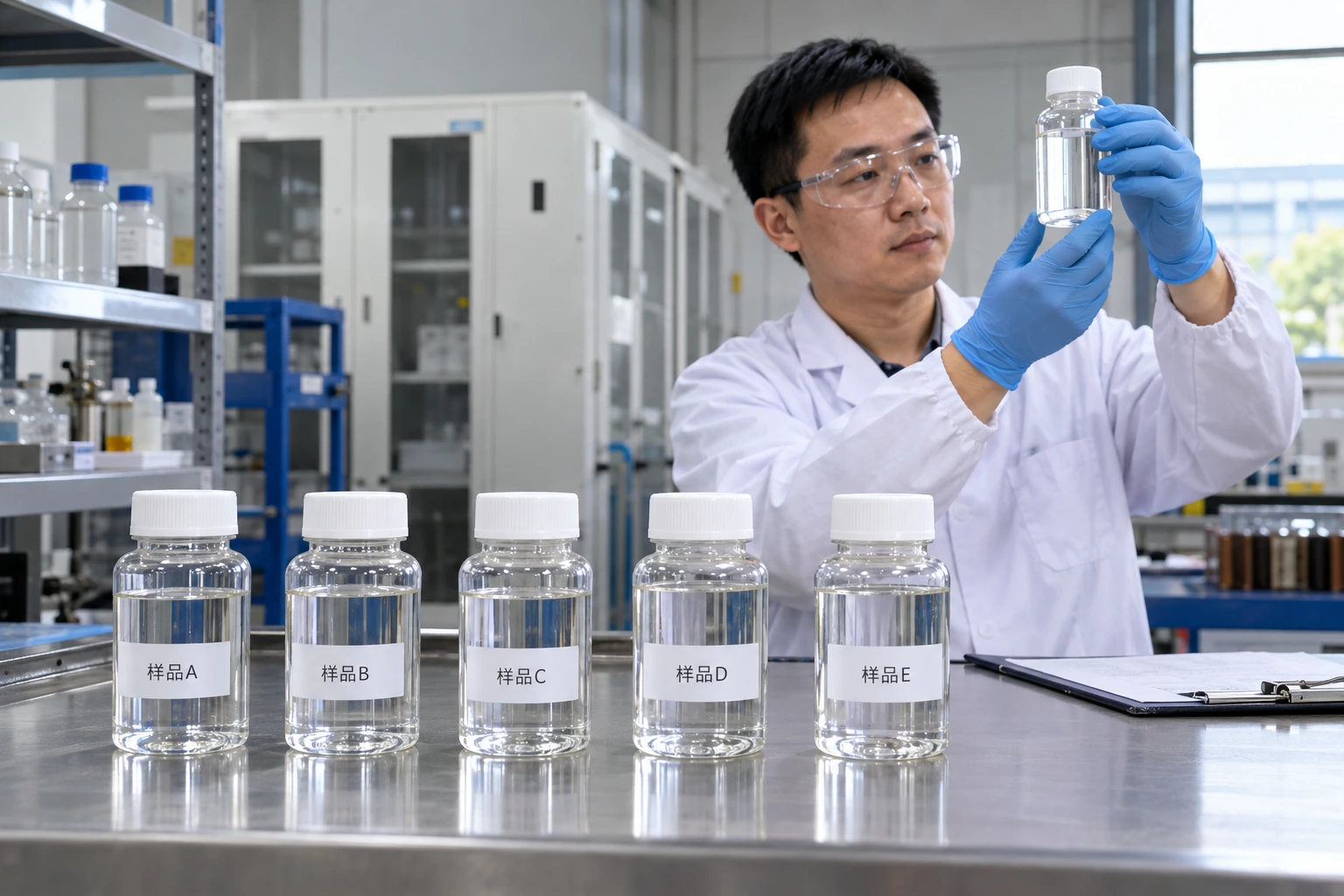
Storage can change Titanium electrode hypochlorite product composition, so fresh-output and stored-product results need separate interpretation. Conditions and duration should be documented rather than assigned a universal change rate.
What happened after generation?
Keep the product history. Include storage duration, temperature and relevant handling in a custom cell review. Do not attribute every downstream result to the electrode coating without investigating other conditions.
- Identify storage and transfer locations.
- Retain relevant temperature records.
| Check | Decision |
|---|---|
| Fresh-output result | Condition at a defined outlet |
| Later sample | Condition after additional exposure |
Separate generation and storage questions. Key Takeaway: A product-history record is part of a meaningful chlorate investigation.
5. How does temperature affect Titanium electrode investigation?
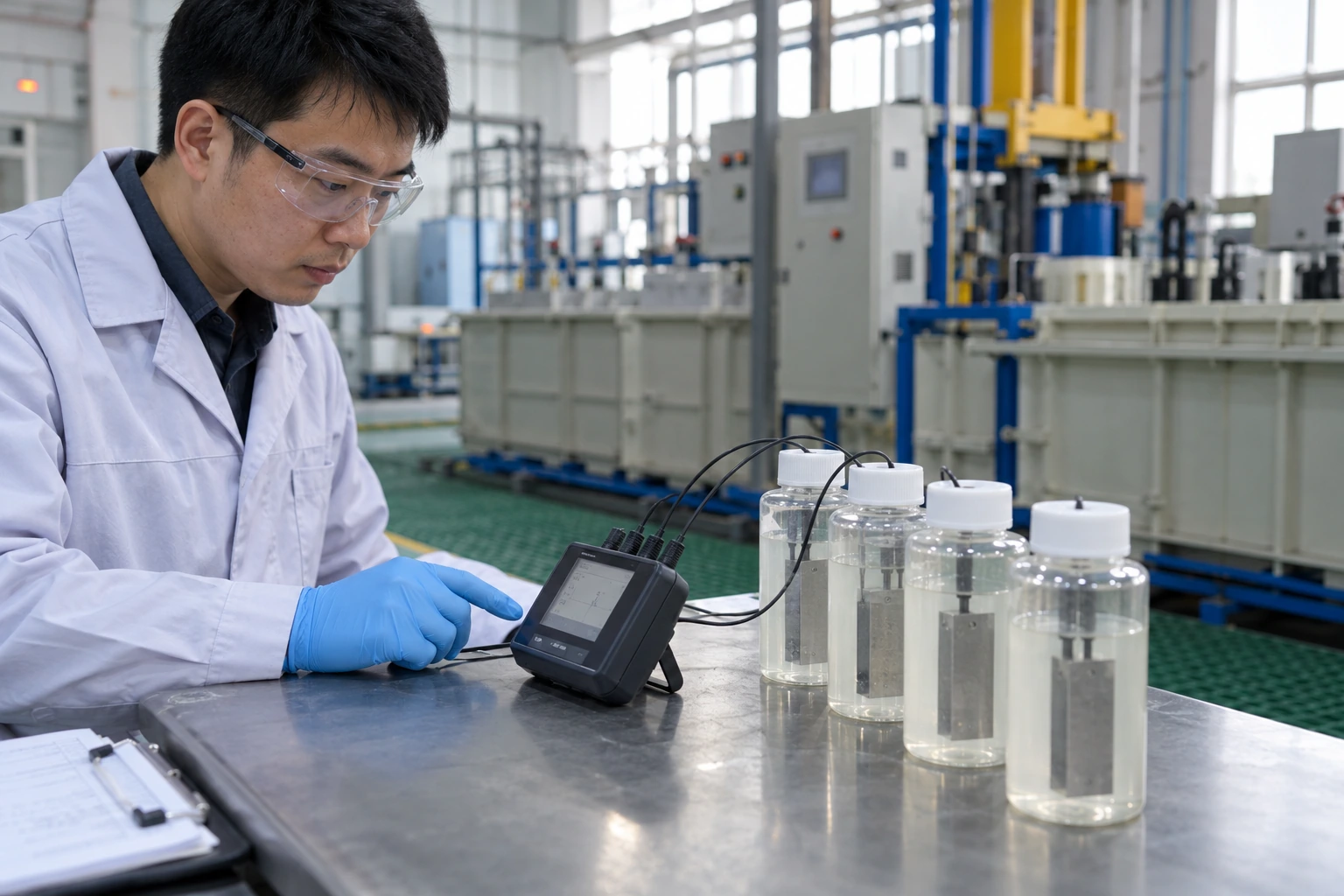
Temperature affects a Titanium electrode investigation because it can influence reaction behavior and solution changes during storage. Actual process and sample conditions should be recorded.
Which temperature belongs to the result?
Distinguish cell and storage conditions. Use measured records rather than a nominal room-temperature assumption. Avoid transferring a rate or trend from unrelated concentrations and conditions.
- Record cell and storage temperatures.
- State sample-handling conditions.
| Check | Decision |
|---|---|
| Nominal temperature | May miss actual exposure |
| Measured history | Supports a more useful comparison |
Compare matched conditions before proposing a mechanism. Key Takeaway: Temperature context helps separate coating effects from solution history.
6. Can a coating claim clear Titanium electrode chlorate risk?
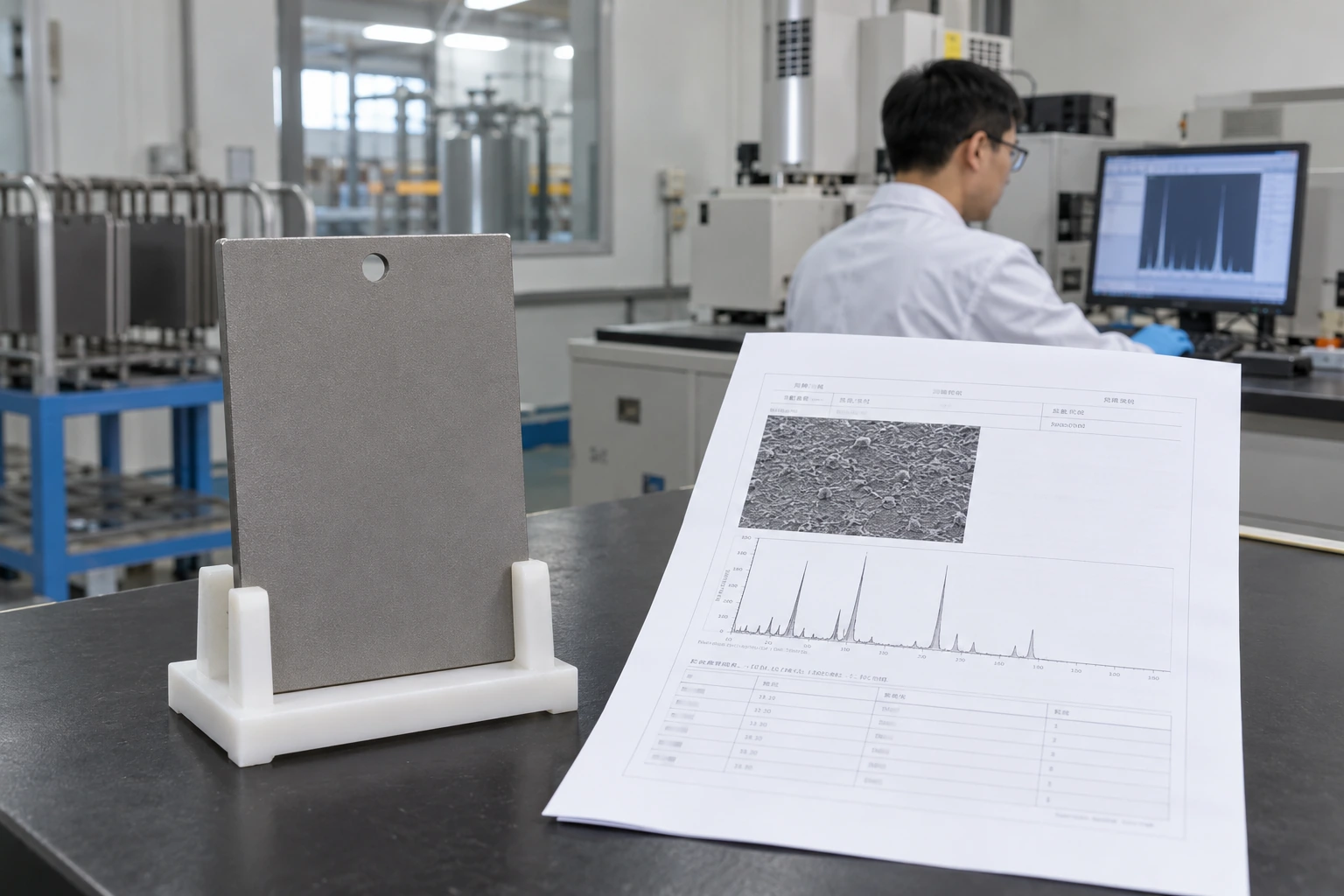
A coating claim cannot independently clear Titanium electrode chlorate risk without suitable product testing under the intended conditions. Material suitability and complete-process product composition are different claims.
What evidence supports the claim?
Request the analytical basis. Check sampling locations, detection capability and operating envelope. A statement that a coating is suitable for chlorine generation does not establish every downstream impurity result.
- Review test conditions and methods.
- Identify untested operating states.
| Check | Decision |
|---|---|
| Coating suitability | Component-level assessment |
| Product composition | System-and-method-dependent evidence |
Keep qualification boundaries explicit. Key Takeaway: Anode selection does not replace product analysis.
7. Which method suits Titanium electrode chlorate testing?

Titanium electrode chlorate testing needs a validated method suitable for the matrix, concentration range and required reporting limit. An instrument name alone does not establish method suitability.
Can the laboratory answer your acceptance question?
Check method capability. Discuss interferences, dilution and reporting limits with the laboratory. Preserve qualifiers and uncertainty rather than reducing every report to pass or fail.
- Confirm analyte and matrix coverage.
- Retain laboratory quality-control information.
| Check | Decision |
|---|---|
| Method named | Starting information |
| Method suitable for the sample | Supports interpretation |
Resolve analytical limitations before sampling. Key Takeaway: Choose a method capable of testing the actual requirement.
8. How should Titanium electrode operating trials be compared?
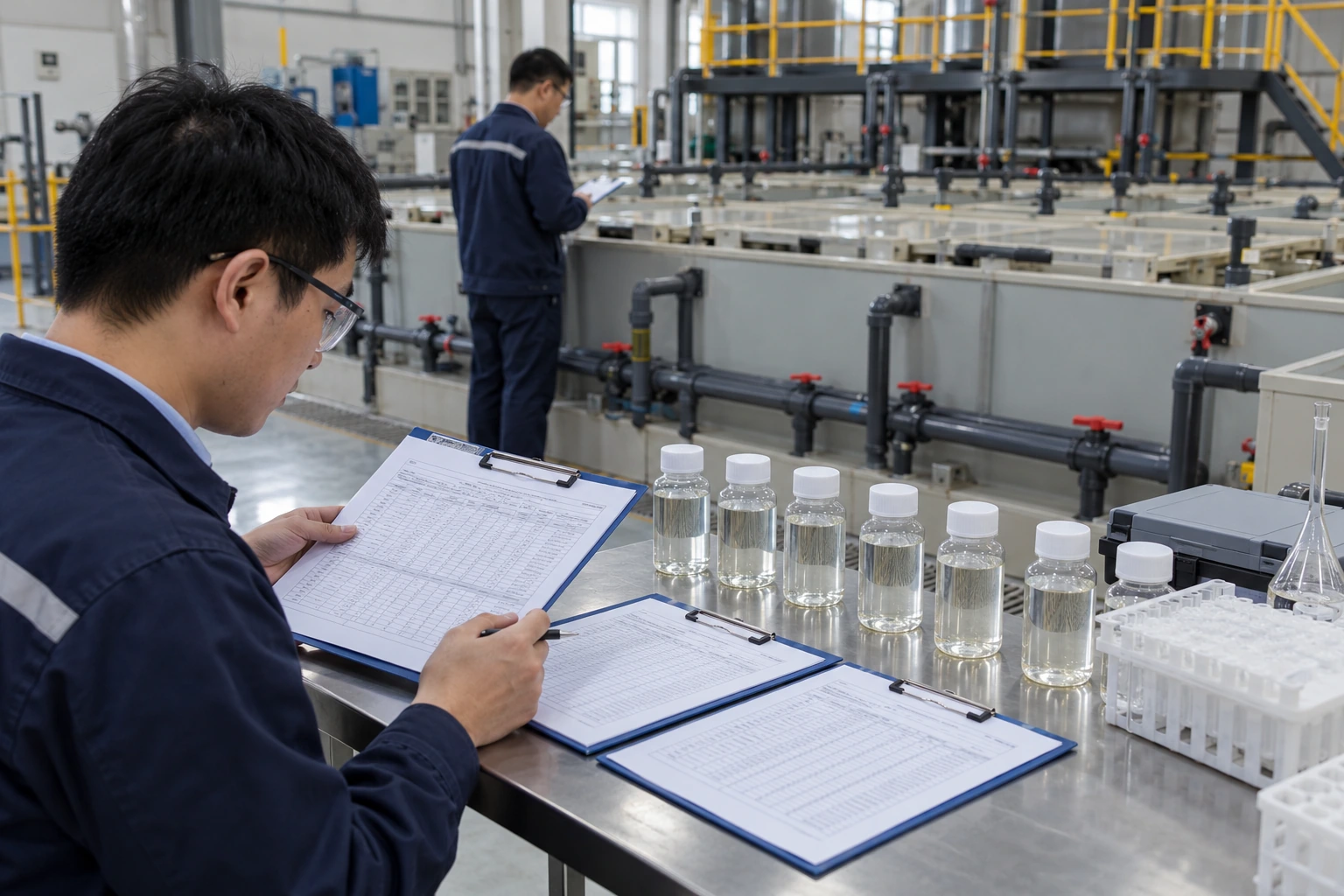
Titanium electrode operating trials should compare defined conditions while controlling feed, sampling and storage history. Otherwise, an apparent coating difference may come from a different sample pathway.
Which variable is under review?
Freeze the comparison basis. In water-treatment duty, keep fresh-output and stored-product analyses separate. Record any unavoidable differences instead of presenting them as equivalent tests.
- Use matched analytical methods.
- Retain electrical and hydraulic records.
| Check | Decision |
|---|---|
| Controlled operating change | Supports a focused comparison |
| Changed sample history | Confounds attribution |
Keep findings within the tested conditions. Key Takeaway: A useful trial separates operating effects from sampling and storage effects.
9. Who defines acceptable Titanium electrode product chemistry?

Acceptable Titanium electrode product chemistry must be defined by responsible specialists using the requirements applicable to the intended use and location. This article does not supply a universal legal limit.
Who approves the acceptance basis?
Identify the governing requirement. Record its source, revision and interpretation owner. Treat historical guidance as background rather than assuming it states today's applicable rule.
- Confirm current application requirements.
- Use an agreed laboratory decision rule.
| Check | Decision |
|---|---|
| Technical result | Measured product evidence |
| Compliance decision | Applies current requirements |
Keep analysis and approval responsibilities distinct. Key Takeaway: A product result needs a current, application-specific acceptance basis.
10. What Titanium electrode chlorate evidence should you request?

A Titanium electrode chlorate review should combine sample locations, analytical methods, operating history and acceptance requirements. This prevents a narrow coating claim from becoming an unsupported product assurance.
Request a boundary-defined product review
Send the sampling and duty record. When you contact us today, we can review electrode requirements within your intended generator configuration. We favor traceable product evidence over blanket by-product assurances.
- Include fresh and relevant stored samples.
- Identify the qualified approval owner.
| Check | Decision |
|---|---|
| Complete technical record | Supports investigation |
| Defined acceptance basis | Supports a release decision |
Agree on the next required analysis. Key Takeaway: Qualify product chemistry through defined tests and conditions.
Frequently Asked Questions
Can I use available chlorine to estimate chlorate? Not through a universal conversion. Use a validated analyte-specific method.
How do I know if storage affected my result? Compare defined fresh and stored samples with documented handling and temperature history.
Can I claim zero chlorate from a coating description? No. Product testing and method limits must support any such statement.
What's the best sample location? Choose locations that answer the question, usually distinguishing feed, fresh output and relevant storage.
Can I use one limit for every application? No. Qualified specialists must confirm current requirements for the intended use and location.