
A rinse result alone cannot prove that a Titanium electrode surface meets a cleaning endpoint. The sample must represent a defined location, target residue, method, and approved acceptance basis. ARY Titanium can review drawings and samples; process and quality owners set restart criteria.
1. Why does rinse validation affect Titanium electrode restart?
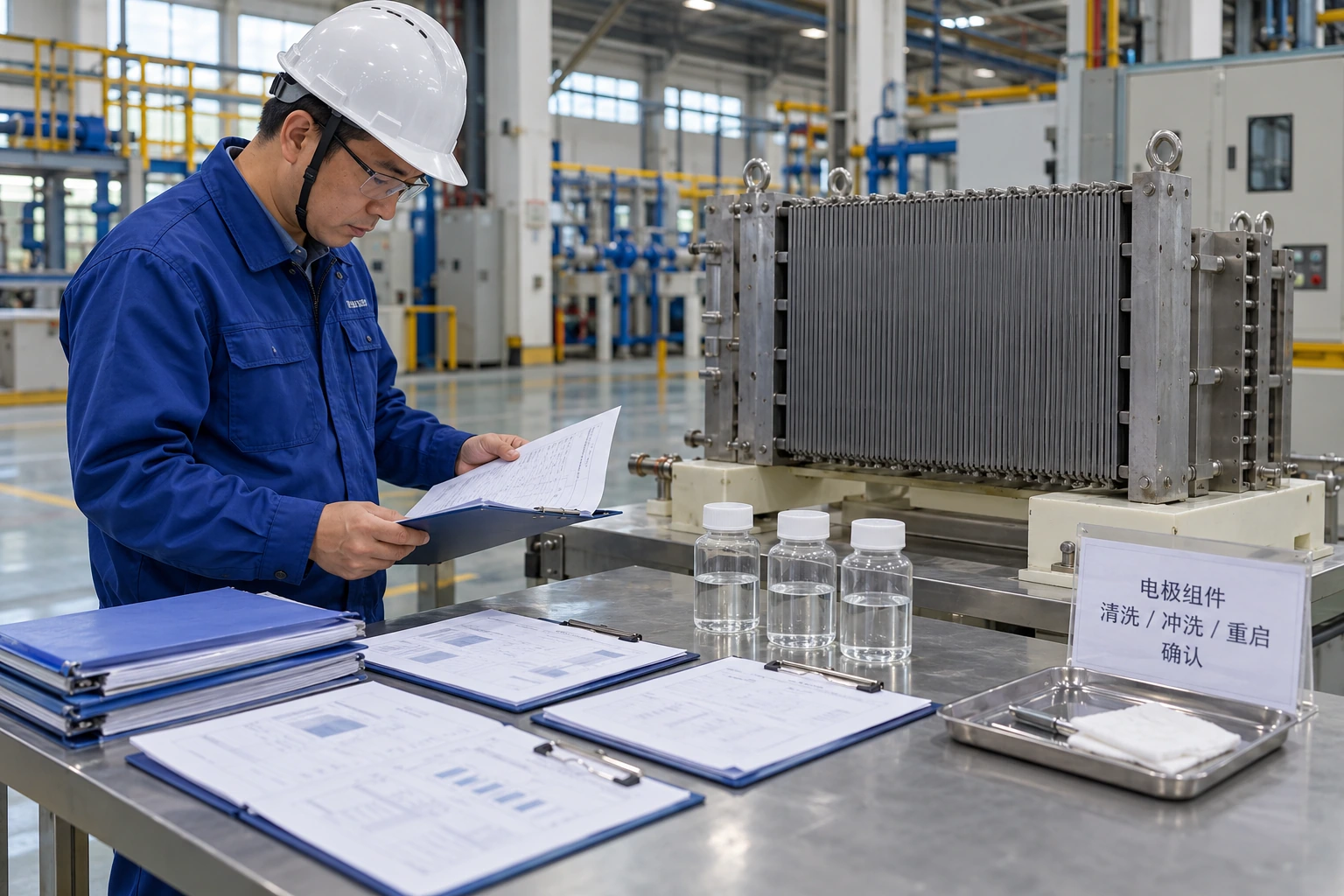
A Titanium electrode rinse validation links cleaning history, representative sampling, analytical method, and an approved endpoint. A clear sample bottle alone cannot authorize restart.
Why does restart need more than a clean sample?
Connect the result with its purpose. A rinse sample measures material carried into that sample under defined conditions. It does not automatically show every surface or trapped volume is acceptable.
- Name the residue or condition under review.
- Assign a qualified owner for restart authorization.
| Check | Decision |
|---|---|
| Rinse reading | Describes a collected sample |
| Restart approval | Uses defined process evidence |
A sample becomes useful when its relationship with equipment is clear. Key Takeaway: Define the cleaning question before collecting rinse evidence.
2. Which evidence links rinse samples to a Titanium electrode?
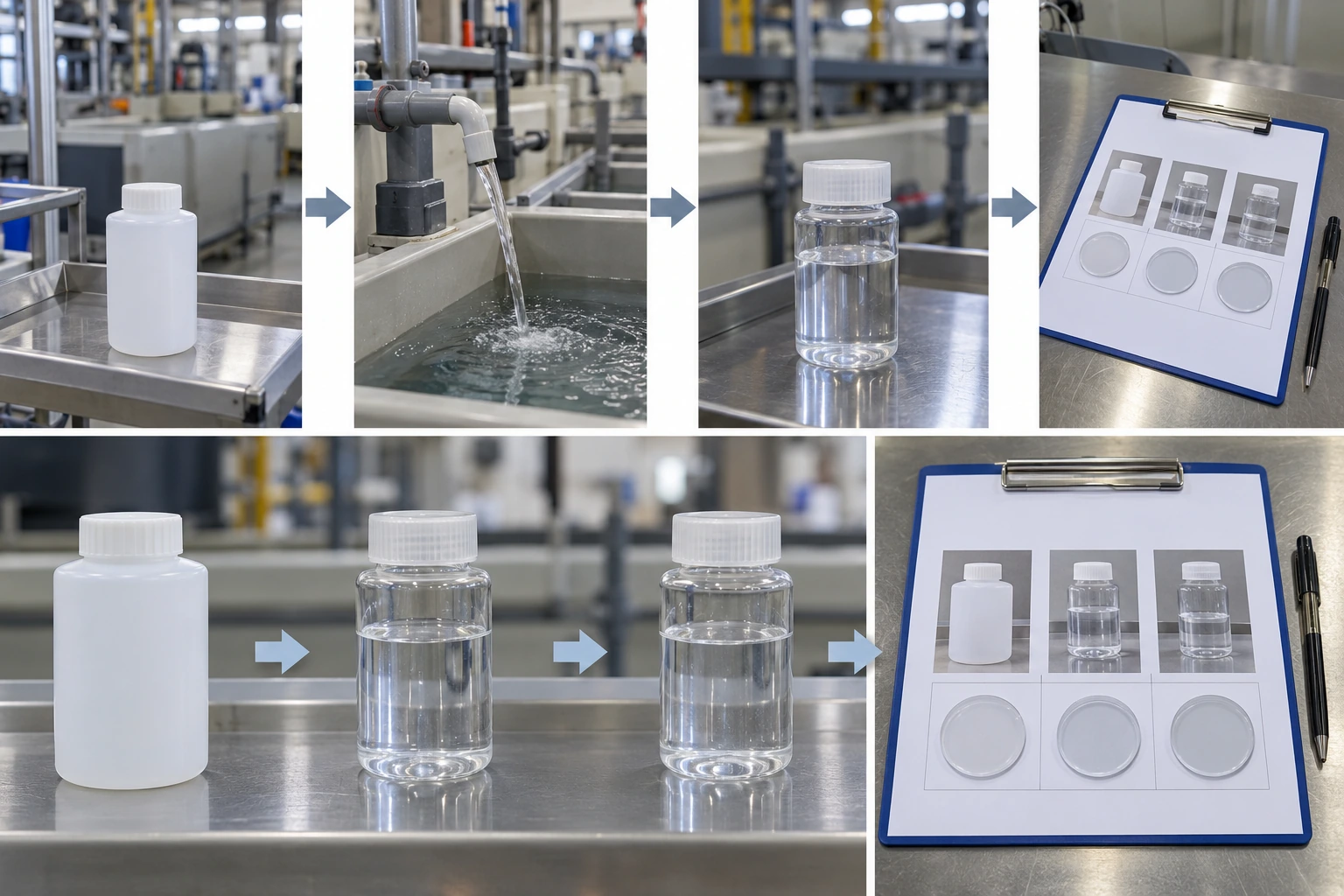
A Titanium electrode rinse plan should identify residues of concern and choose methods capable of detecting them. Water appearance or general purity may not answer a specific residue question.
Which residue does the test need to find?
Name the target before selecting a signal. Soluble, insoluble, or occluded material may behave differently during sampling. Analytical sensitivity and recovery should match the intended decision.
- List process residues and relevant cleaning materials.
- Separate direct detection from indirect indicators.
| Check | Decision |
|---|---|
| Clear rinse water | Shows visible appearance only |
| Targeted method | Addresses a specified residue |
A nonspecific indicator cannot identify every contaminant. Key Takeaway: Match each analytical method with its residue target.
3. How does location shape Titanium electrode rinse evidence?
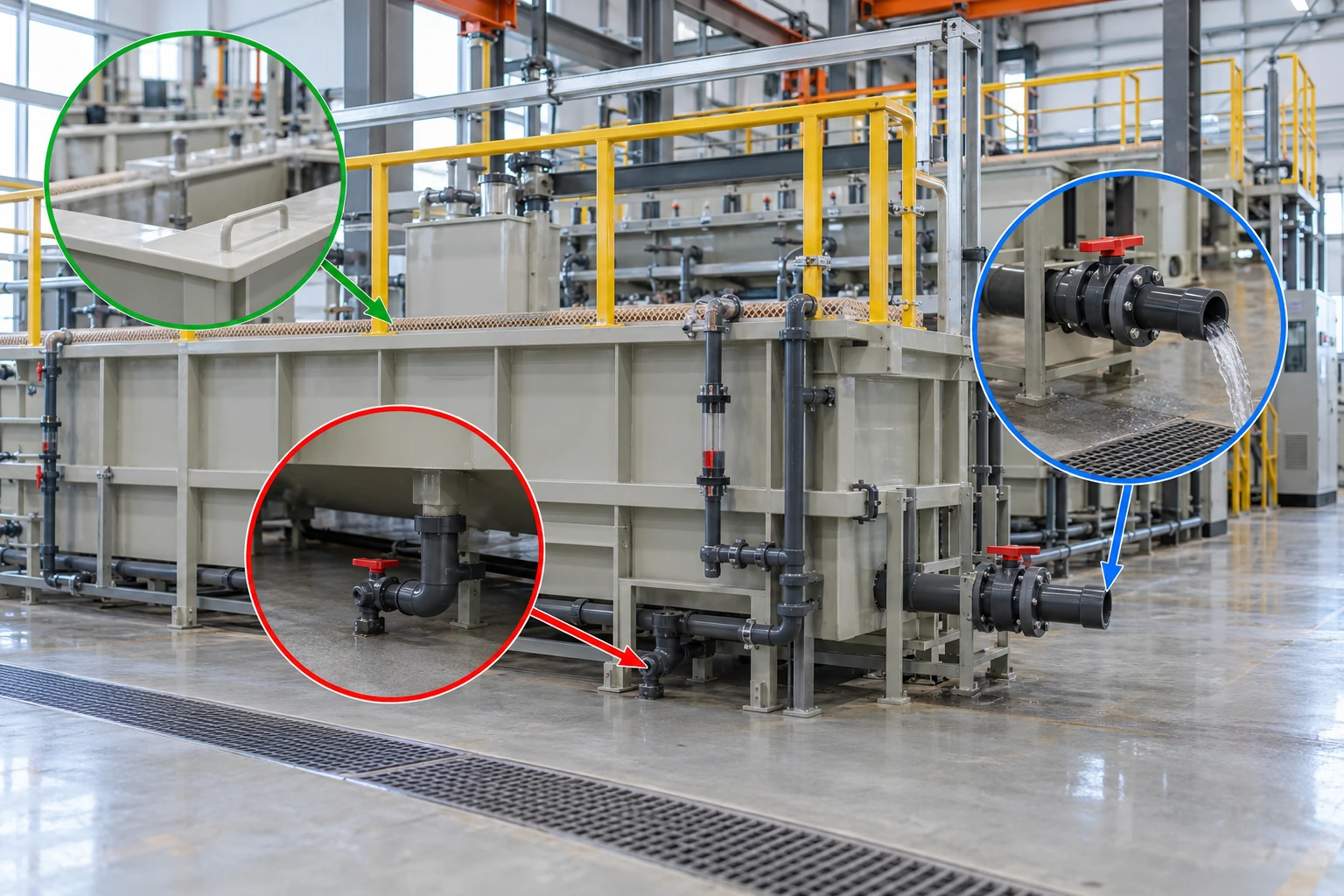
A Titanium electrode rinse sample represents only the location and path from which it was collected. Dead legs, low points, drains, and accessible surfaces can produce different evidence.
Does the sampling point represent the part?
Map route through equipment. Identify sample locations, drainage paths, and surfaces that rinse fluid may not reach. A remote outlet cannot stand in for every geometry by assumption.
- Mark collection points on a controlled drawing.
- Identify inaccessible or retained-volume areas for review.
| Check | Decision |
|---|---|
| Outlet sample | Represents fluid at one point |
| Surface sample | Can target a specific location |
Sampling location is part of method capability. Key Takeaway: Choose points that represent named surfaces in the protocol.
4. Which blank makes Titanium electrode rinse readings interpretable?
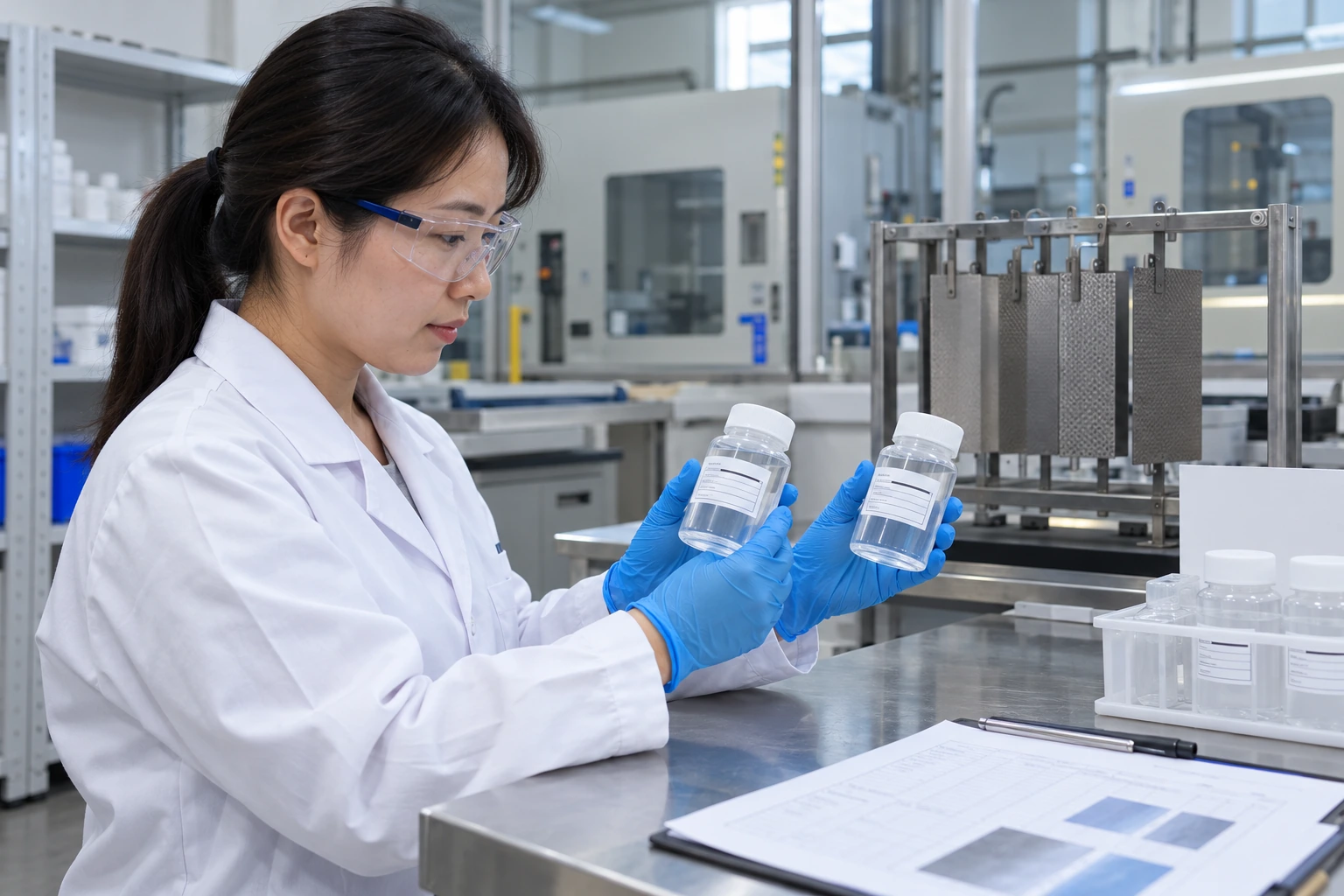
A Titanium electrode rinse result needs a suitable blank or baseline so analysts can distinguish process residue from sample handling or water background.
What background does a blank account for?
Define blank purpose with method owner. Include the agreed blank basis in a custom engineering review and keep it separate from a historical baseline. Its purpose depends on collection, container, and analytical method.
- Identify blank type and collection point.
- Record analytical method and sample handling conditions.
| Check | Decision |
|---|---|
| Method blank | Checks analytical background |
| Process baseline | Describes a defined clean state |
Blank labels need a documented purpose. Key Takeaway: Agree on blanks and baselines before collecting samples.
5. When does rinse water stop representing a Titanium electrode?

A Titanium electrode rinse may miss residue that does not dissolve, remains trapped, or sits beyond fluid contact. A low reading cannot alone rule out those conditions.
What can a rinse sample miss?
Respect the blind spots. A rinse may miss residue that stays insoluble, becomes trapped, or lies outside fluid contact. Direct surface sampling may be needed when suitable and feasible.
- Review rinse contact with the target surface.
- Consider direct sampling where design permits.
| Check | Decision |
|---|---|
| Rinse sampling | Can cover difficult-to-access areas |
| Direct sampling | Targets an accessible surface |
One sampling mode may leave another part of the question unanswered. Key Takeaway: Document what each sampling method cannot detect.
6. Who defines a Titanium electrode rinse endpoint?

A Titanium electrode acceptance endpoint belongs to process and quality owners who know residue consequences and system use. No universal rinse limit fits every application.
Who sets the acceptance basis?
Make the endpoint traceable. The responsible team should justify limits using process requirements and a fit-for-purpose method. Do not transfer a criterion from unrelated equipment without review.
- Name the limit owner and technical basis.
- Define action for results near or outside acceptance.
| Check | Decision |
|---|---|
| Borrowed limit | May not match process risk |
| Approved endpoint | Connects result with intended use |
A rinse value is meaningful only against an approved criterion. Key Takeaway: Route endpoint approval through qualified process and quality owners.
7. Which records support Titanium electrode rinse traceability?
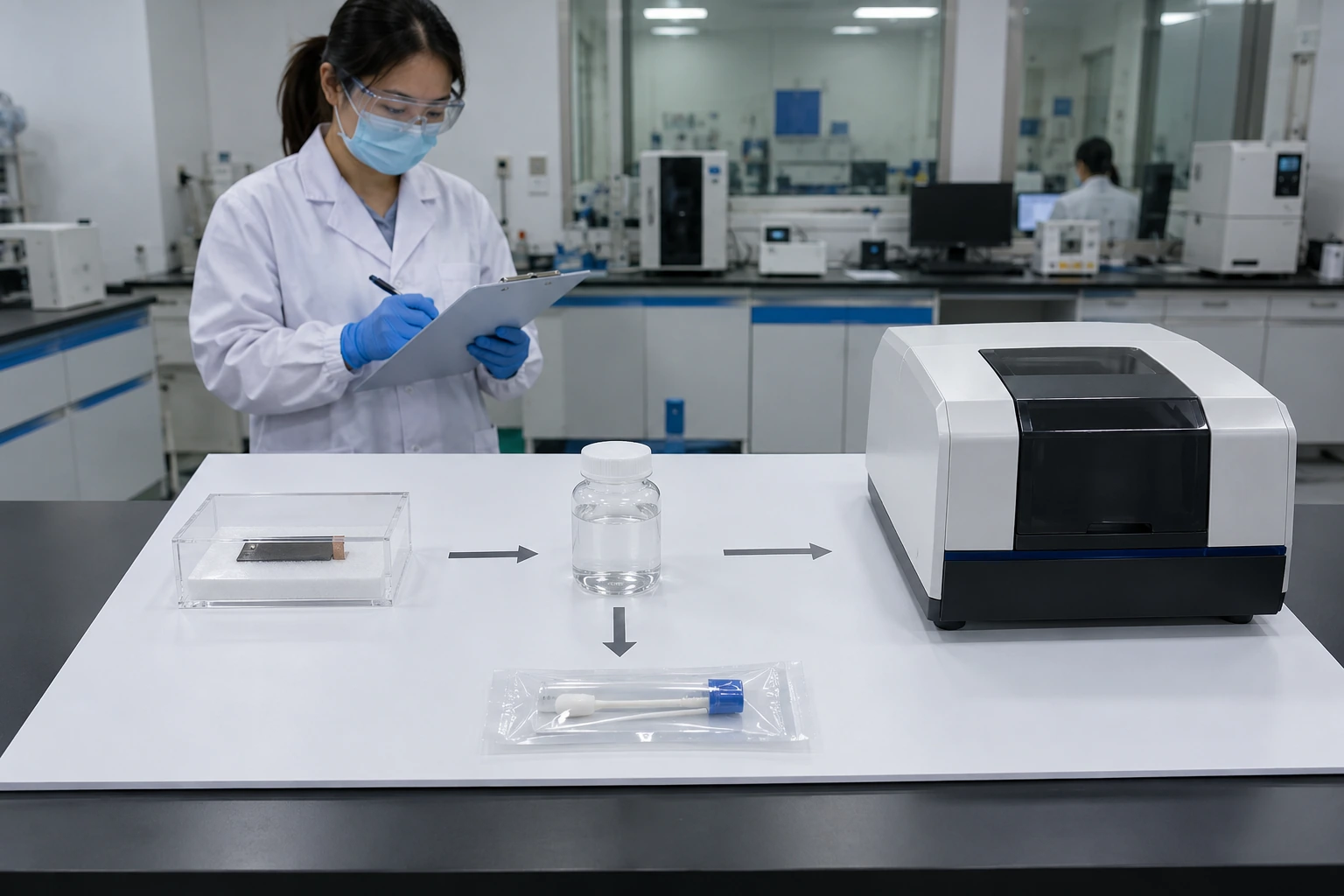
A Titanium electrode rinse record should connect part identity, cleaning event, sample point, blank, method, result, and disposition. Gaps make later review difficult.
Can a result be traced back to a cleaning event?
Keep one record chain. Link sample labels with cleaning history and equipment revision. Preserve method deviations and the person responsible for disposition.
- Record sample time and equipment identity.
- Retain raw observations and approved disposition.
| Check | Decision |
|---|---|
| Rinse result alone | Lacks event context |
| Traceable record | Links sample with cleaning history |
Traceability helps distinguish process changes from sampling variation. Key Takeaway: Keep sample and cleaning records under one review path.
8. How does hold time affect Titanium electrode rinse evidence?
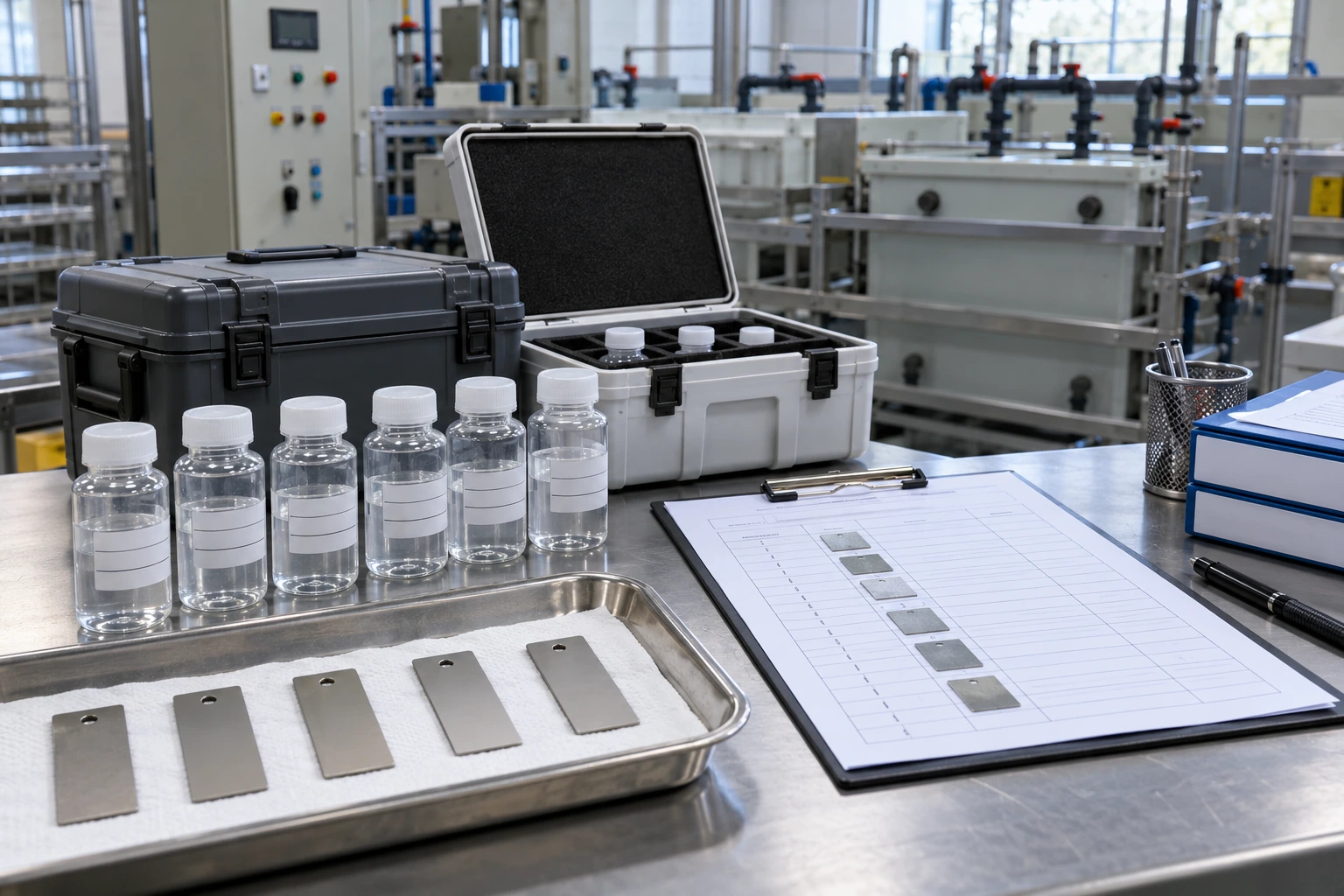
A Titanium electrode sample can change during storage or delay, so hold time and container conditions belong in the approved method. The endpoint should reflect that handling.
How long does the sample remain representative?
Use the approved sample window. For water-treatment applications, include storage and analysis timing in an approved protocol with relevant stability evidence. A delayed sample may describe a different state.
- Record collection, storage, and analysis times.
- Define who assesses a sample outside its approved window.
| Check | Decision |
|---|---|
| Unrecorded delay | Weakens sample interpretation |
| Controlled hold time | Supports method consistency |
Sample handling continues after fluid leaves the equipment. Key Takeaway: Include hold conditions in the protocol and report.
9. What checks support a Titanium electrode restart decision?

A Titanium electrode restart decision should use approved rinse evidence plus equipment and process readiness checks. A passing sample cannot clear unrelated open conditions.
What else must be ready before restart?
Keep release authority explicit. Qualified site personnel should review result status, equipment configuration, and process controls. Follow the approved site procedure for abnormal or unresolved results.
- Confirm sample disposition and protocol completion.
- Record responsible approval before operation resumes.
| Check | Decision |
|---|---|
| Analytical result | Answers a defined test question |
| Restart release | Confirms broader process readiness |
Release joins laboratory evidence with operating responsibility. Key Takeaway: Document restart authorization separately from sample analysis.
10. What should a Titanium electrode rinse plan define?

A Titanium electrode rinse plan should define residues, locations, blanks, analytical methods, acceptance owners, and restart authority. Cleaning instructions belong with qualified site procedures.
What should the validation plan contain?
Write the evidence plan before cleaning begins. When you contact us today, include a drawing, sample points, residue concerns, and requested review scope. ARY Titanium can review component information; site teams approve cleaning and restart.
- State sampling and reporting responsibilities.
- List unresolved assumptions and escalation paths.
| Check | Decision |
|---|---|
| Defined validation plan | Sets evidence and ownership |
| Unwritten assumptions | Leave release criteria unclear |
A defined plan keeps sampling, analysis, and restart linked. Key Takeaway: Approve the protocol before relying on rinse results.
Frequently Asked Questions
Can I use conductivity alone to release a rinsed electrode? Not unless a qualified process has validated its relationship with the residue decision. A general reading does not identify every contaminant.
What's the best rinse sample location? Choose points that represent target surfaces and fluid paths. Geometry and retained volumes may require more than one sampling mode.
How do I know if a blank is suitable? Define its purpose with the analytical method owner and document collection, container, and handling conditions.
Can I use one rinse sample to prove a surface is clean? Not automatically. Residue may remain insoluble, occluded, or outside the sampled flow path.
How do I know if a rinse result permits restart? Use the approved acceptance protocol and site release authority. A laboratory result does not clear unrelated process conditions.