
A Titanium electrode mesh edge needs a defined condition wherever perimeter geometry affects assembly, coating, or handling. A vague burr note can leave buyers and suppliers judging different surfaces. ARY Titanium can review drawings and samples, while the design owner sets functional acceptance.
1. Why do mesh edges need a Titanium electrode burr requirement?
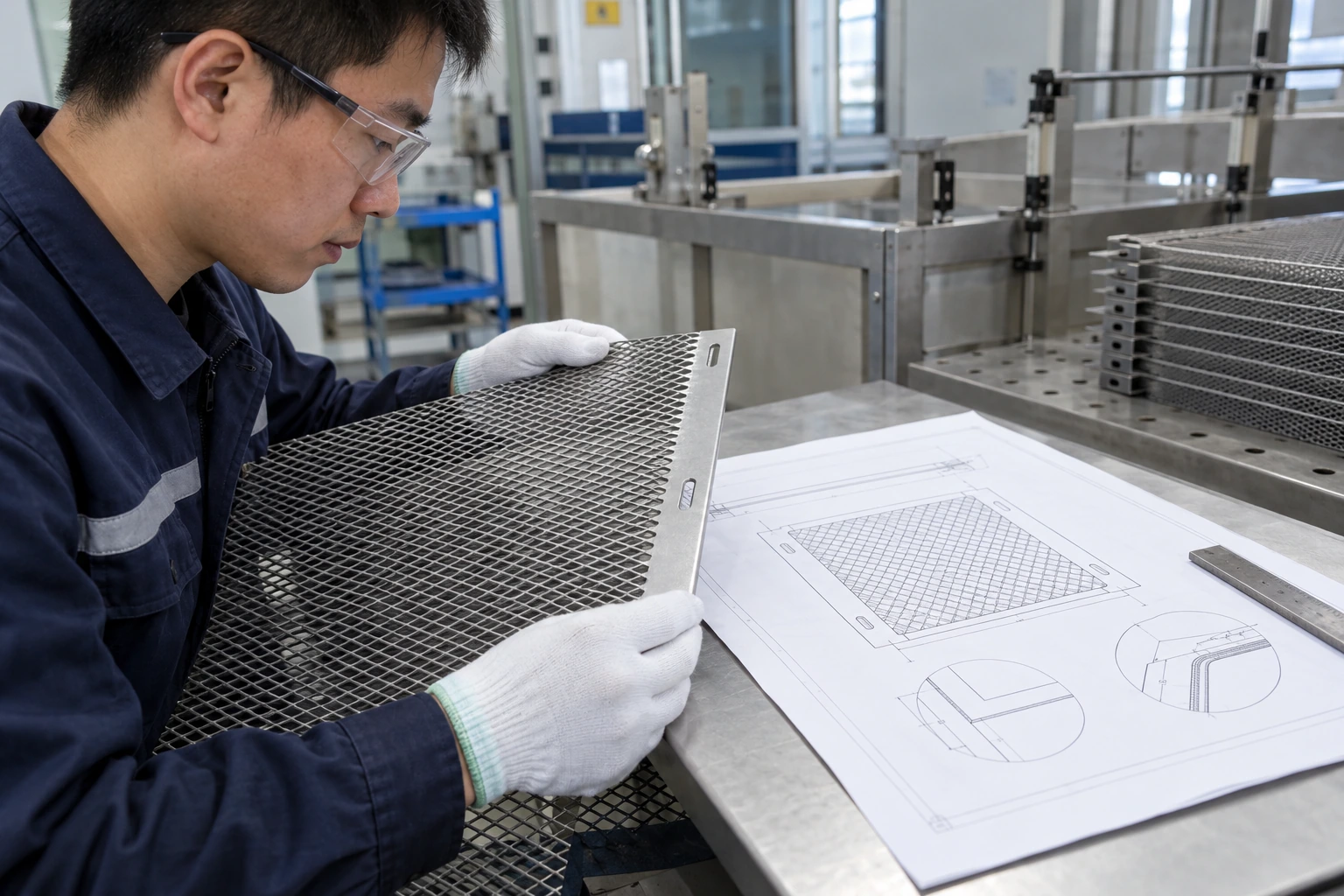
A Titanium electrode mesh edge needs a burr requirement when perimeter shape affects fit, coating, adjacent parts, or safe handling. A drawing should identify each functional edge.
Which mesh edge affects assembly?
Tie the edge to its job. An edge near a gasket, frame, electrical contact, or operator access may need distinct acceptance. A broad note can miss those different interfaces.
- Mark perimeter segments with different functions.
- Identify adjacent seals, supports, and connection zones.
| Check | Decision |
|---|---|
| General perimeter | May use one defined condition |
| Functional segment | May need separate inspection |
A functional drawing makes edge review more concrete. Key Takeaway: Mark critical mesh boundaries before setting an edge note.
2. How do cut routes change Titanium electrode mesh edges?
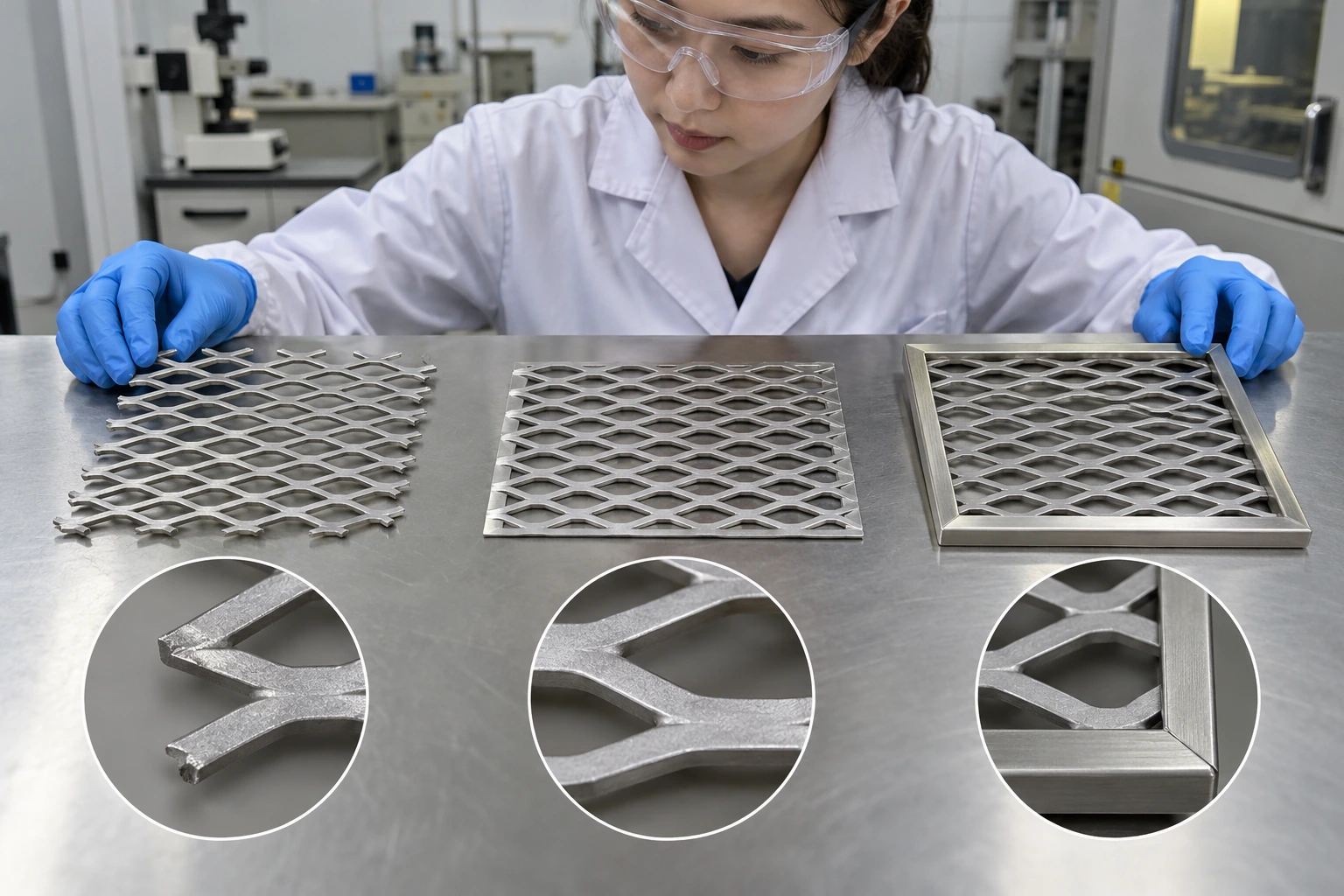
A Titanium electrode mesh cut route can leave different edge profiles and strand deformation. Buyers should define outcomes rather than assume one shop method.
What edge profile does the design permit?
Specify the result, not an unreviewed recipe. A cut, trimmed, or formed perimeter can change the opening boundary or strand shape. Compare candidate samples against the released drawing.
- State acceptable protrusions and strand condition.
- Protect mesh opening and perimeter dimensions.
| Check | Decision |
|---|---|
| Process name | Does not define edge acceptance |
| Edge result | Can be checked against function |
Different manufacturing routes need a shared acceptance picture. Key Takeaway: Review edge samples against the same drawing and function.
3. Where can burrs interfere with Titanium electrode assembly?
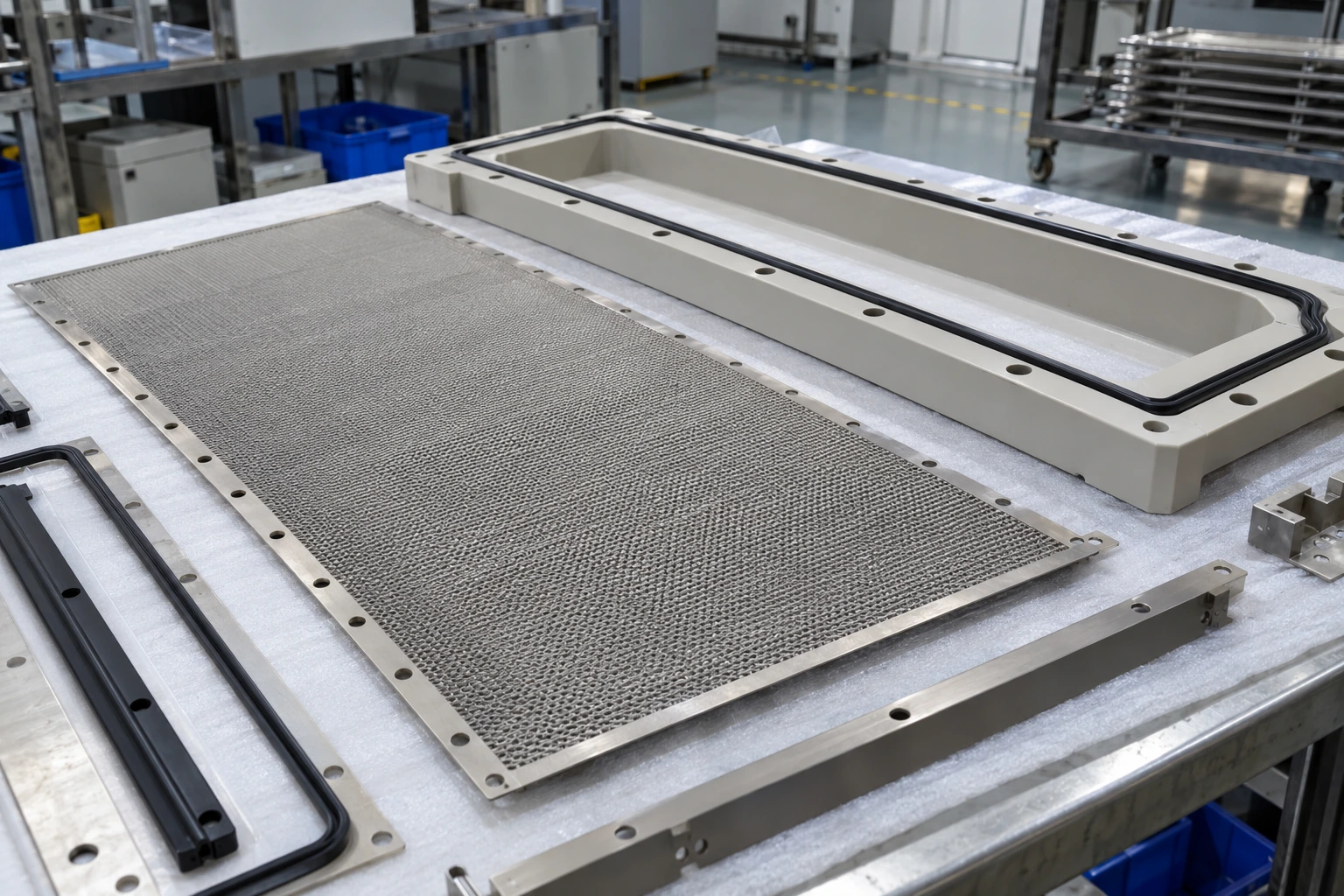
A burr can interfere with Titanium electrode assembly if it catches a seal, shifts a support, or obstructs a clearance. Its effect depends on location and geometry.
Where can a burr create a fit issue?
Trace perimeter through assembly. Check interfaces where mesh meets frame, gasket, adjacent plate, or handling fixture. Keep inspection focused on those contact paths.
- Show mesh edge beside neighboring components.
- Identify clearances and seal paths that need protection.
| Check | Decision |
|---|---|
| Isolated edge | Shows local edge form |
| Assembled interface | Shows possible interference |
A visible edge defect matters through its interaction with nearby parts. Key Takeaway: Review perimeter condition in its intended assembly context.
4. How does coating sequence affect Titanium electrode cut edges?
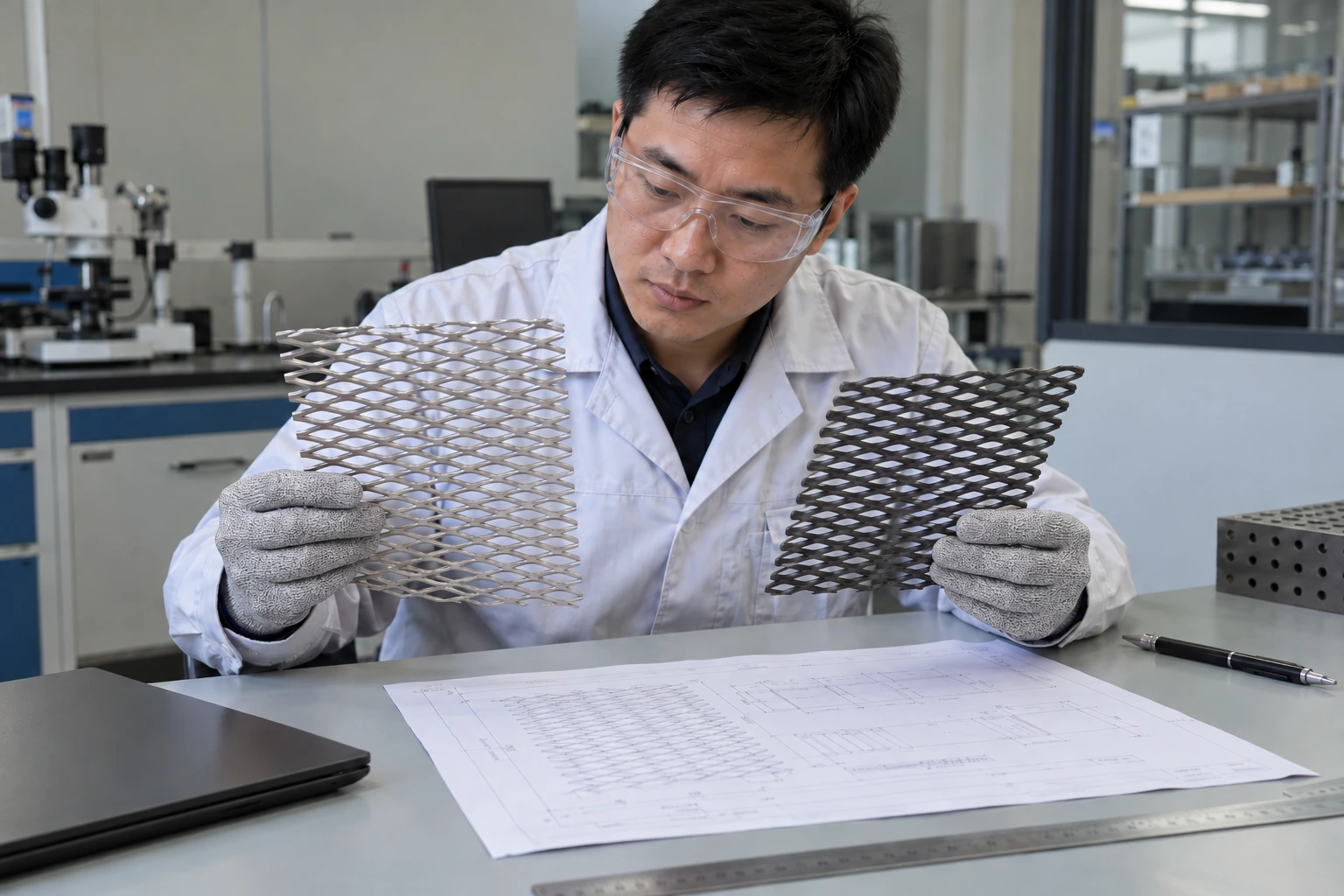
A Titanium electrode coating sequence should be reviewed against edge finishing and exposed-substrate requirements. Cutting or finishing after coating can change which surfaces remain coated.
When does coating meet edge finishing?
Put sequence on the review agenda. Use a custom engineering review to resolve whether edge work precedes coating or follows it, and how the delivered boundary will be inspected. No single order suits every design.
- State coating stage relative to final edge work.
- Define edge coverage or exposed-substrate acceptance.
| Check | Decision |
|---|---|
| Sequence unstated | Leaves surface condition ambiguous |
| Sequence reviewed | Links process stage with acceptance |
Coating and edge notes should describe one delivered condition. Key Takeaway: Approve the final edge and coating boundary together.
5. Which handling controls suit Titanium electrode mesh edges?
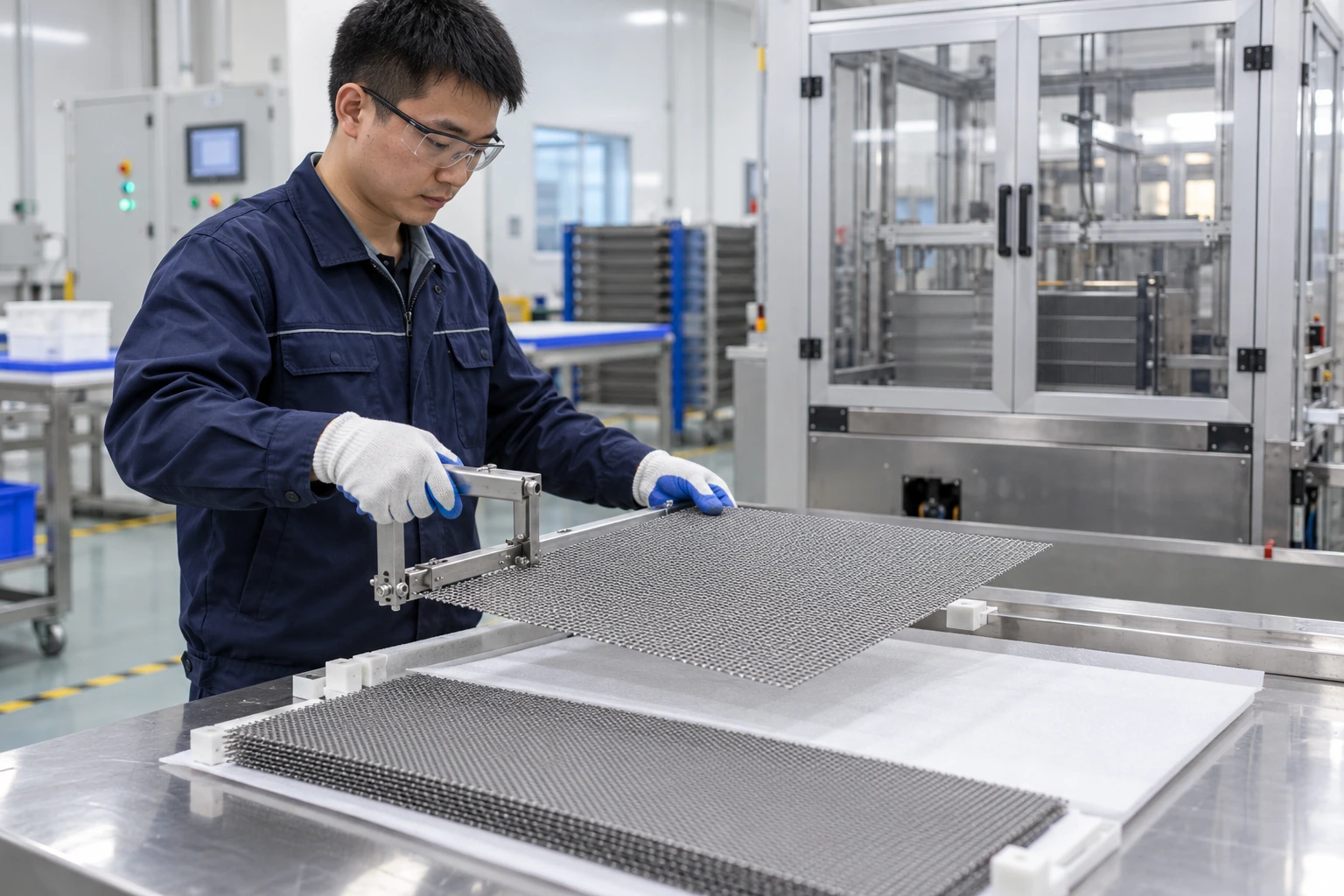
A Titanium electrode mesh edge may create a handling hazard when strands or burrs protrude. Use approved site controls and trained personnel for inspection or movement.
How should inspection protect personnel?
Keep handling inside approved controls. Qualified personnel should select suitable gloves, fixtures, and access methods for the actual part. This article does not prescribe a manual deburring procedure.
- Provide safe gripping or fixture locations.
- Define handling responsibility for incoming inspection.
| Check | Decision |
|---|---|
| Unplanned hand contact | Can expose personnel to sharp edges |
| Approved handling plan | Sets controlled inspection access |
Edge inspection must account for worker contact and part fit. Key Takeaway: Use site-approved procedures when handling sharp mesh.
6. How should Titanium electrode burr limits preserve geometry?

A Titanium electrode burr callout should preserve strand width, opening geometry, and intended contact zones. Removing material without a defined limit can alter the part.
How can an edge note preserve mesh geometry?
Describe the allowed condition. A drawing can state prohibited projections, required perimeter profile, and protected features without giving a do-it-yourself removal method. Agree how each feature will be inspected.
- Define protected strand and opening features.
- Identify any edge zones with distinct limits.
| Check | Decision |
|---|---|
| Generic burr note | May conflict with mesh geometry |
| Feature-based note | Connects condition with function |
Edge correction needs a boundary that protects neighboring features. Key Takeaway: Set acceptance before choosing any finishing route.
7. When should Titanium electrode edges be checked pre-coating?

Pre-coating inspection can document a Titanium electrode mesh boundary before later finishing changes its surface. Sample identity and process stage need traceability.
What should be checked before coating?
Capture the uncoated condition. Inspect perimeter continuity, strand shape, and drawing dimensions under the agreed receiving method. Keep this record distinct from finished-part acceptance.
- Identify sample and manufacturing stage.
- Record observed edge condition and dimensional checks.
| Check | Decision |
|---|---|
| Before coating | Shows pre-finish boundary |
| After coating | Shows delivered surface condition |
A pre-coating record cannot substitute for final acceptance. Key Takeaway: Plan inspections at each stage that answers a separate question.
8. What should inspectors verify on Titanium electrode mesh?
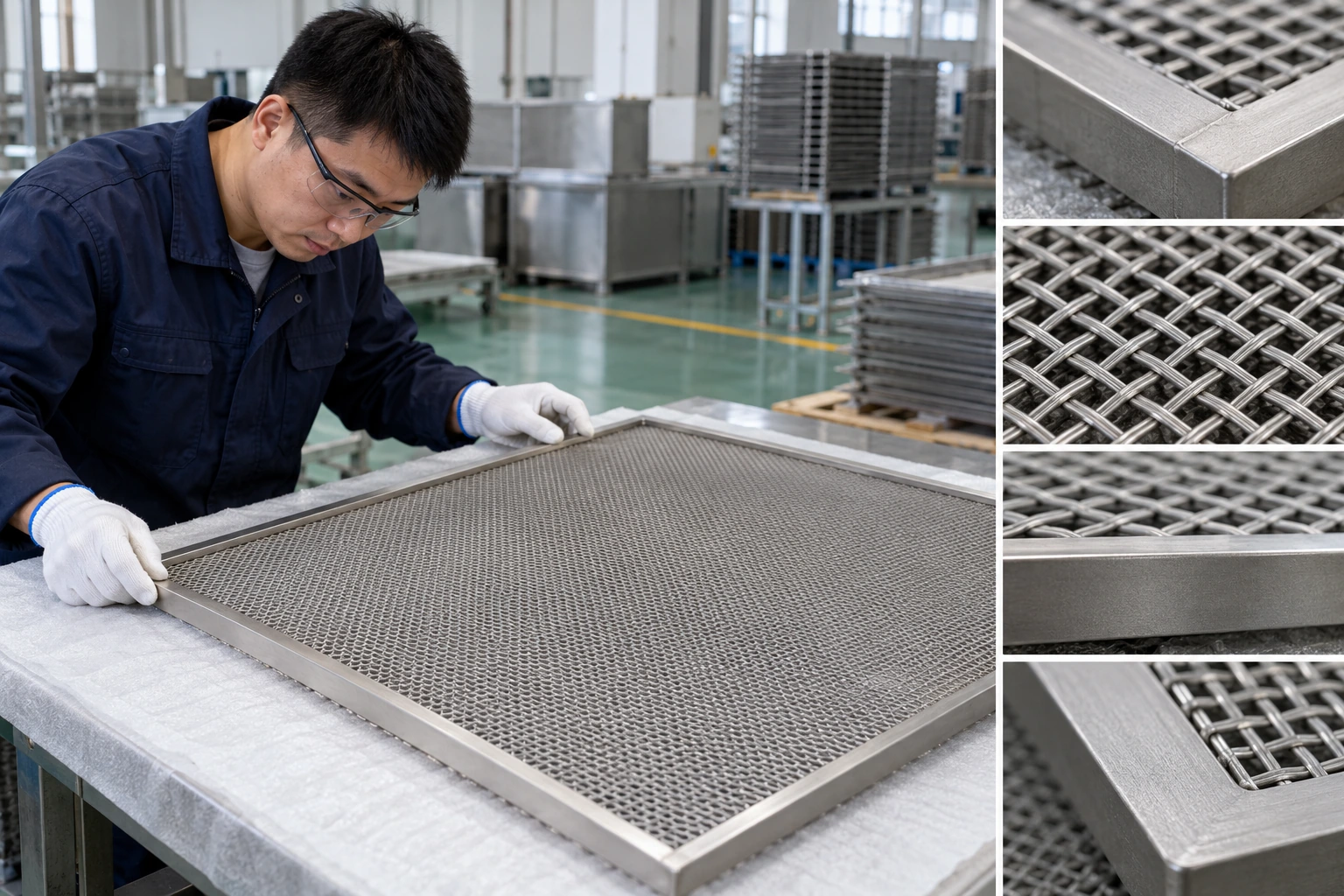
A Titanium electrode finished-edge inspection should verify specified perimeter geometry, strand condition, fit, and coating scope. Match inspection method with drawing criteria.
Which checks belong after finishing?
Check the delivered mesh. For parts intended for water-treatment applications, record perimeter condition and any coating boundary in an inspection report. Avoid treating appearance alone as proof of fit or surface coverage.
- Inspect edge zones defined on the drawing.
- Record fit and coating checks as separate observations.
| Check | Decision |
|---|---|
| Visual review | Shows visible condition |
| Defined acceptance check | Addresses specified features |
Separate checks make gaps visible before assembly. Key Takeaway: Accept the final edge against written criteria, not appearance alone.
9. How can acceptance balance Titanium electrode fit and coating?
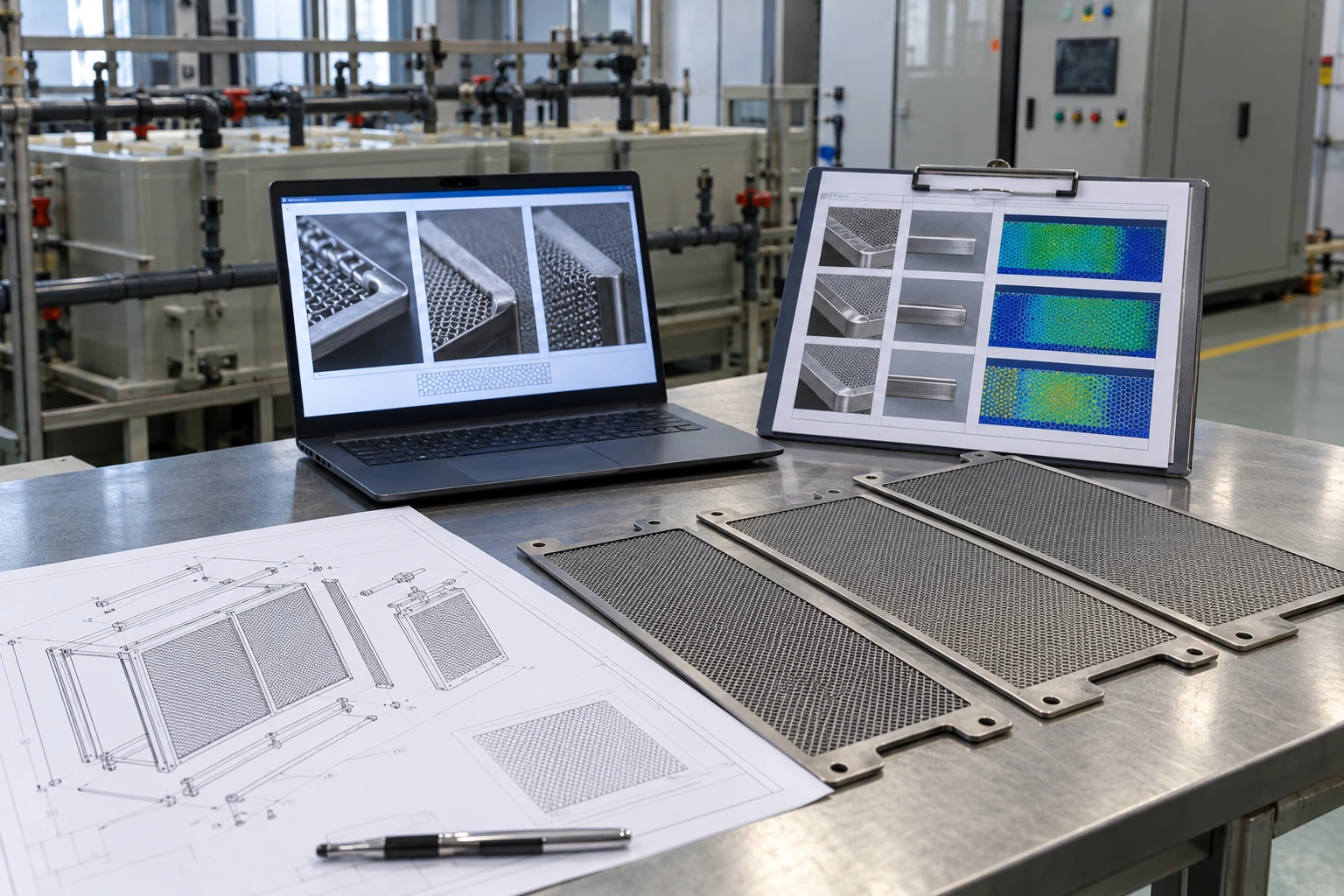
A Titanium electrode acceptance decision should balance assembly clearance, strand integrity, coating condition, and handling needs. Different edges may have different functions.
Can one finish suit every perimeter?
Use a function-based callout. Review assembly drawings and representative samples before release. If edge processing changes an opening or coating boundary, add that feature to acceptance.
- Compare samples with the released interface drawing.
- Record approved exceptions by location and revision.
| Check | Decision |
|---|---|
| Single generic limit | May overlook local functions |
| Zone-based acceptance | Matches distinct interfaces |
A sensible edge condition follows the part's actual interfaces. Key Takeaway: Resolve edge zones and criteria before approving production samples.
10. What should a Titanium electrode mesh drawing specify?

A Titanium electrode mesh drawing should define perimeter zones, allowed edge condition, coating sequence, inspection stage, and handling notes. The application designer owns functional limits.
What should the drawing communicate?
Put the questions on one controlled drawing. When you contact us today, include mesh geometry, edge locations, coating identity, intended interfaces, and inspection needs. ARY Titanium can review drawings and samples; the system designer approves fit criteria.
- Identify final condition and inspection stage.
- Assign approval for edge and coating changes.
| Check | Decision |
|---|---|
| Controlled edge note | Supports shared acceptance |
| Unstated perimeter | Leaves fit and handling open |
A clear note lets supplier and buyer inspect the same feature. Key Takeaway: Approve edge criteria before releasing the mesh drawing.
Frequently Asked Questions
Can I write only 'remove all burrs' on a mesh drawing? That phrase leaves edge geometry, protected strands, and inspection criteria open. Define the allowed delivered condition.
What's the best time to inspect mesh edges? Inspect at stages that answer different questions, such as before coating and after final edge work.
How do I know if coating covers a cut edge? Review manufacturing sequence and inspect the delivered boundary using an agreed method. A coating family name cannot show edge coverage.
Can I specify a hand deburring procedure for incoming parts? Use approved site and supplier procedures. A buyer should define acceptance and qualified responsibility rather than improvise hazardous handling.
How do I know if a burr affects fit? Compare its location and profile with seals, frames, contacts, and clearances shown on the assembly drawing.