
Choose a Titanium electrode for food-washing equipment from the specified water-treatment reaction, chemistry and complete hygiene-validation plan. The electrode is one component, not proof that food has been made safe. A module can produce an oxidant while the wash process still fails under changing organic load. Define generation, dosing, monitoring and validation responsibilities before selecting the component.
1. What Role Does a Titanium electrode Play in Food Washing?
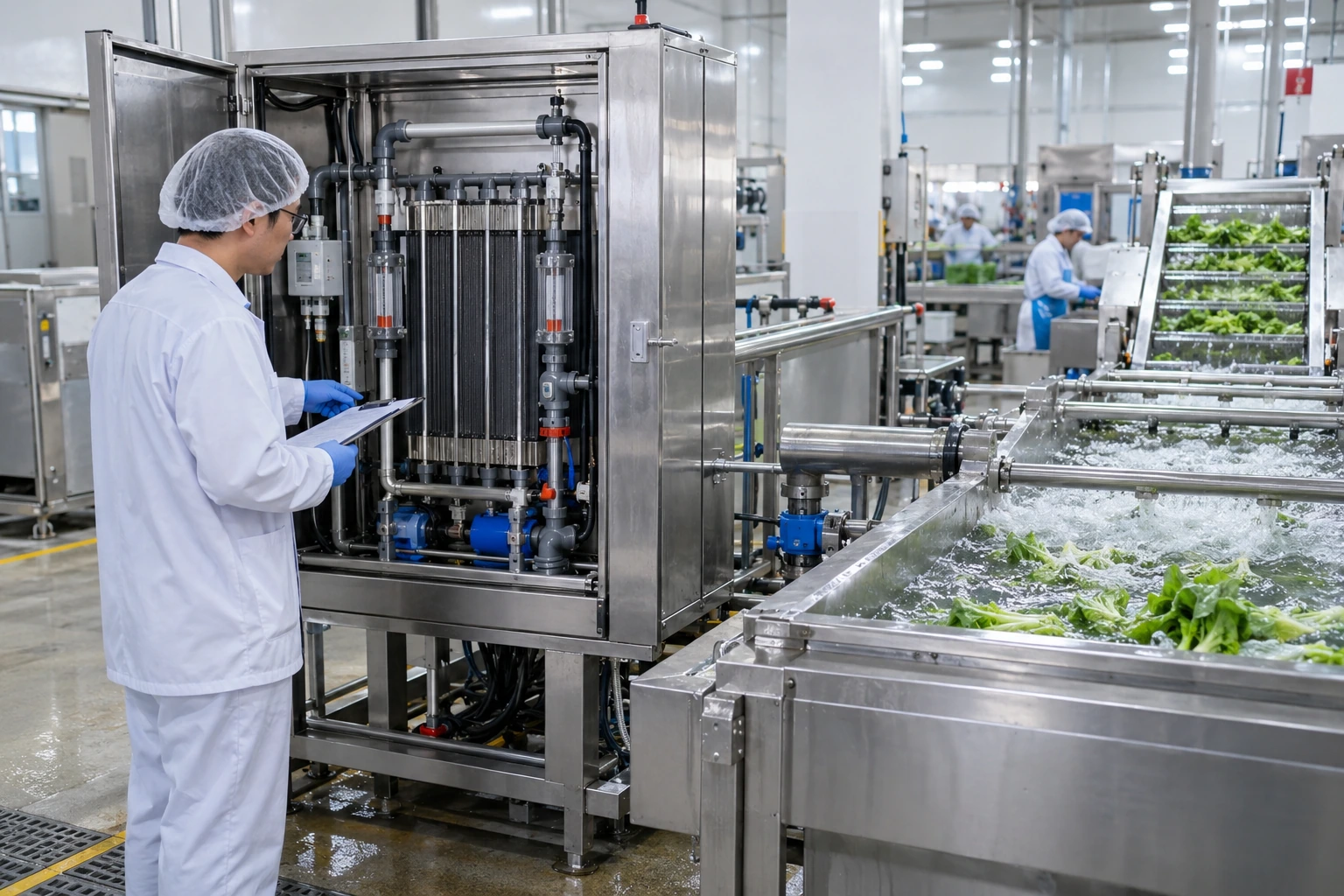
A Titanium electrode can support a specified electrochemical treatment stage in industrial food-washing equipment. Its role depends on the chemistry and equipment design.
What should the component specification describe?
Identify the reaction the module must provide. Separate disinfectant generation from washing and downstream handling. Avoid assigning a complete hygiene claim to the electrode material.
- State the intended treatment process.
- Define the module's inputs and outputs.
| Check | Decision |
|---|---|
| Electrode function | Supports a specified reaction |
| Hygiene outcome | Requires complete-process validation |
A functioning electrode does not establish a validated food process. Key Takeaway: Define the component role within the equipment.
2. How Do You Separate Titanium electrode and Hygiene Performance?
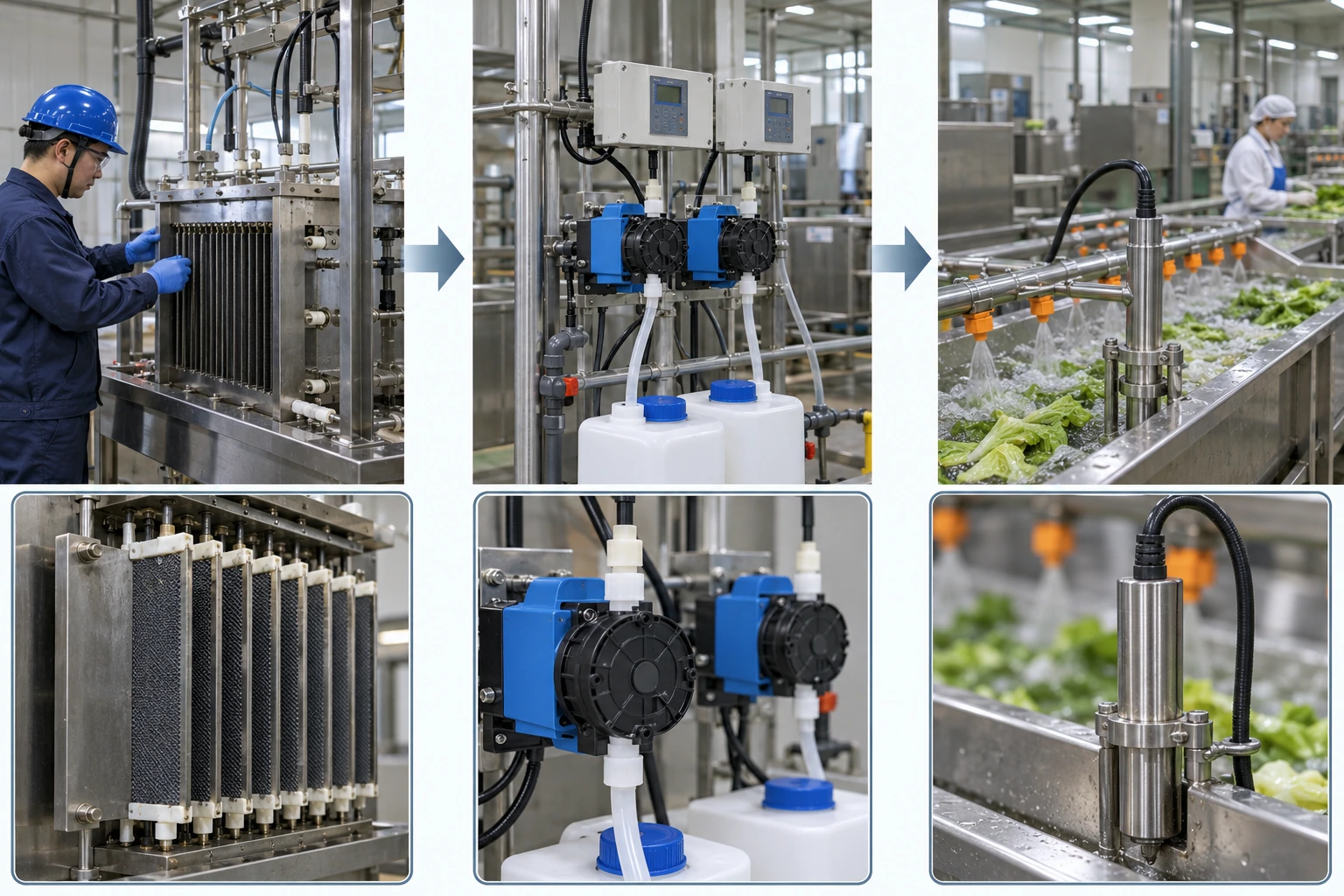
Titanium electrode performance and hygiene performance need separate evidence because treatment depends on dosing, contact conditions, water quality and the process itself. Material identity cannot settle those questions.
Which teams should own the review?
Assign validation to the responsible specialists. Equipment engineering should define module behavior while qualified food-safety personnel assess the intended use. Applicable requirements depend on the market and process.
- Separate component and process acceptance.
- Identify responsible reviewers.
| Check | Decision |
|---|---|
| Generation test | Measures module output |
| Hygiene validation | Evaluates the intended process |
One test report should not be presented as evidence for a different outcome. Key Takeaway: Keep the two acceptance decisions explicit.
3. Which Water Data Guide Titanium electrode Selection?
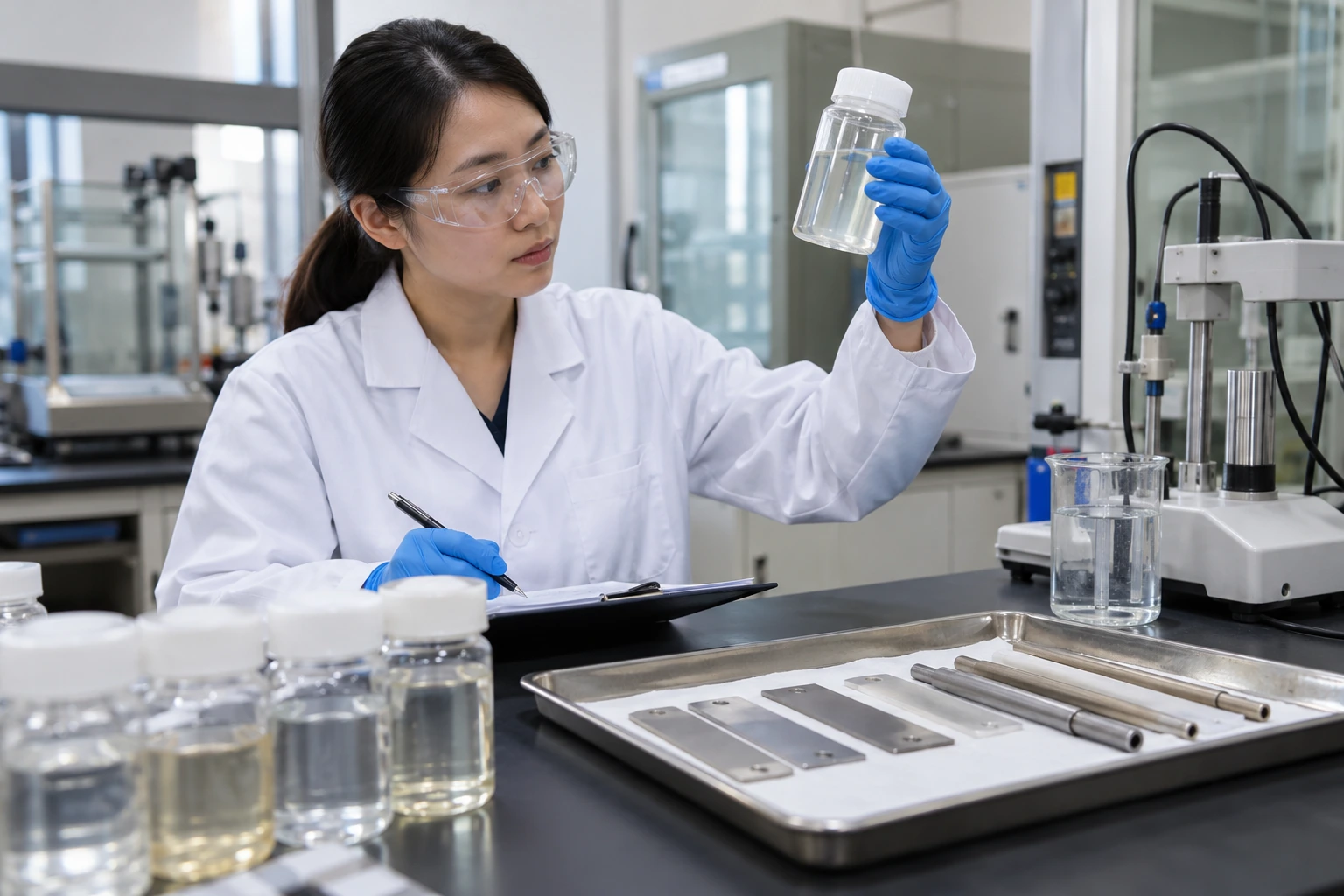
A Titanium electrode supplier needs representative wash-water and feed-water chemistry, temperature and operating ranges. A clean-water demonstration may not represent production conditions.
Which changes should the analysis cover?
Include the water after the process has loaded it. Organic matter and other constituents can vary during a shift. Define the operating range the module must tolerate.
- Provide makeup and circulating-water data.
- Describe product and process variability.
| Check | Decision |
|---|---|
| Fresh feed | Defines the starting liquid |
| Operating water | Shows the actual treatment demand |
A feed-only analysis can miss the conditions that govern performance. Key Takeaway: Use representative production water in the review.
4. How Does Organic Load Affect a Titanium electrode System?
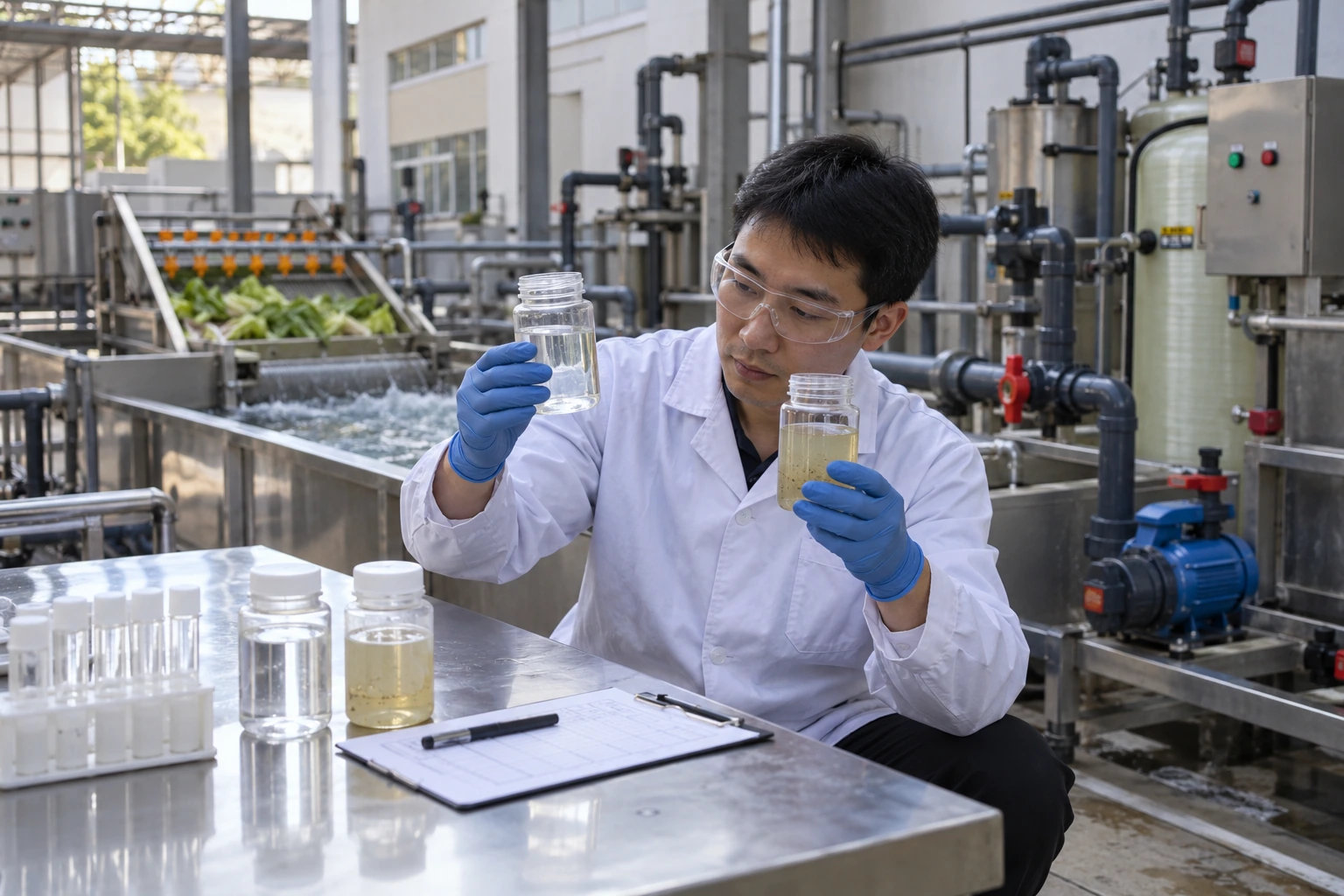
Organic load can affect a Titanium electrode system's treatment demand and the persistence of generated oxidants. The result depends on the complete water matrix.
What should a trial reproduce?
Test the challenging operating conditions, not only clean startup. A custom electrode review needs the expected load and flow pattern. Qualified process staff should define relevant chemical and microbial measurements.
- Describe load changes through the shift.
- Record treatment and water-turnover conditions.
| Check | Decision |
|---|---|
| Low-load trial | Shows limited conditions |
| Representative load trial | Tests actual process demand |
Initial output does not prove that treatment remains adequate as water changes. Key Takeaway: Validate the intended operating envelope.
5. Which Titanium electrode Coating Needs Application Review?
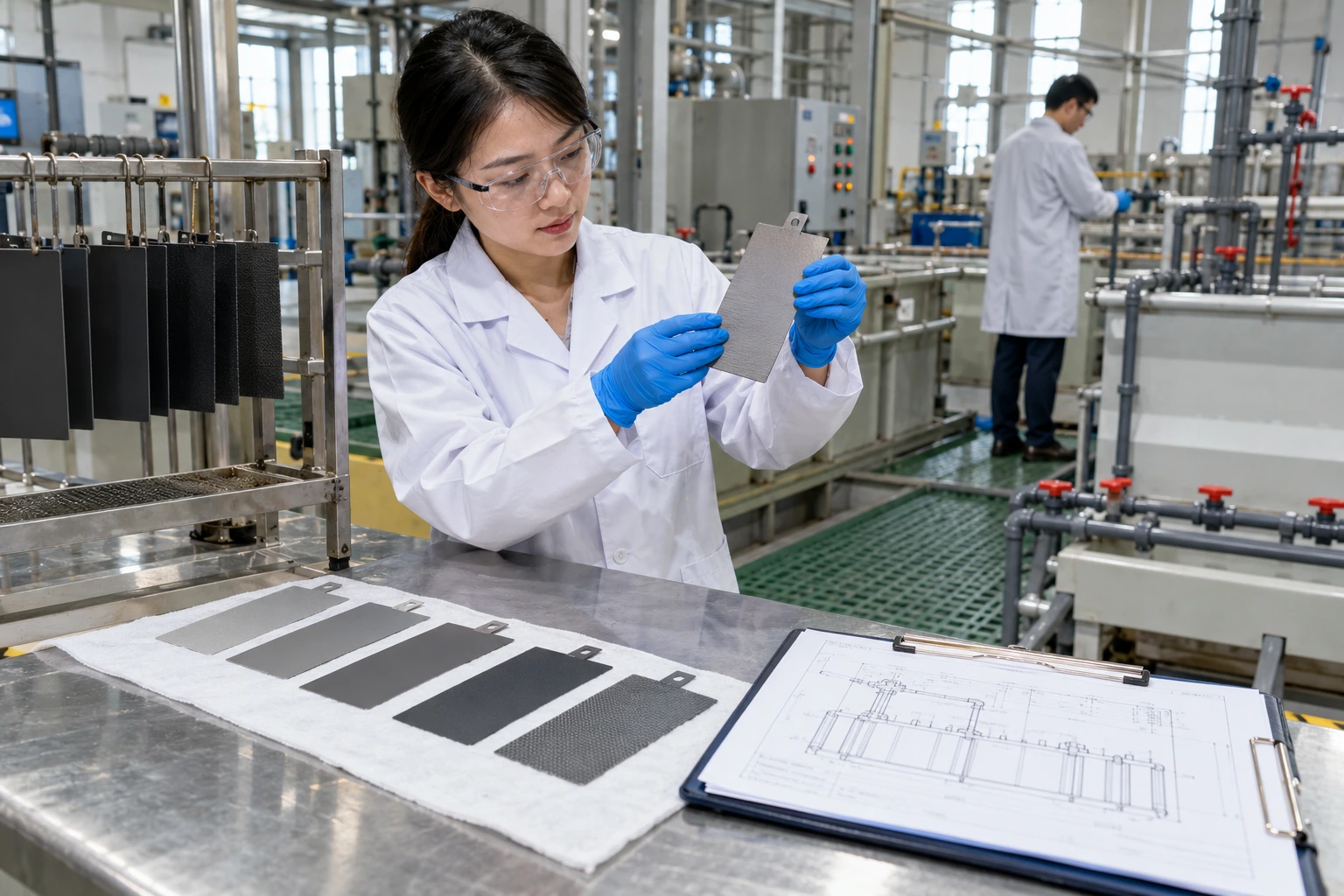
A Titanium electrode coating for food-equipment use needs review against the specified reaction and chemical exposure. A coating family alone does not establish suitability for food-contact service.
What evidence should the OEM request?
Separate chemical compatibility from regulatory acceptance. Ask for traceable component information and relevant test evidence. The finished equipment and intended use require their own assessment.
- Identify coating and substrate specifications.
- Define required material and process evidence.
| Check | Decision |
|---|---|
| Component evidence | Supports material review |
| System assessment | Addresses the intended use |
A titanium certificate cannot approve an entire washing system. Key Takeaway: Obtain evidence at the appropriate level.
6. How Should Titanium electrode Equipment Control Dosing?
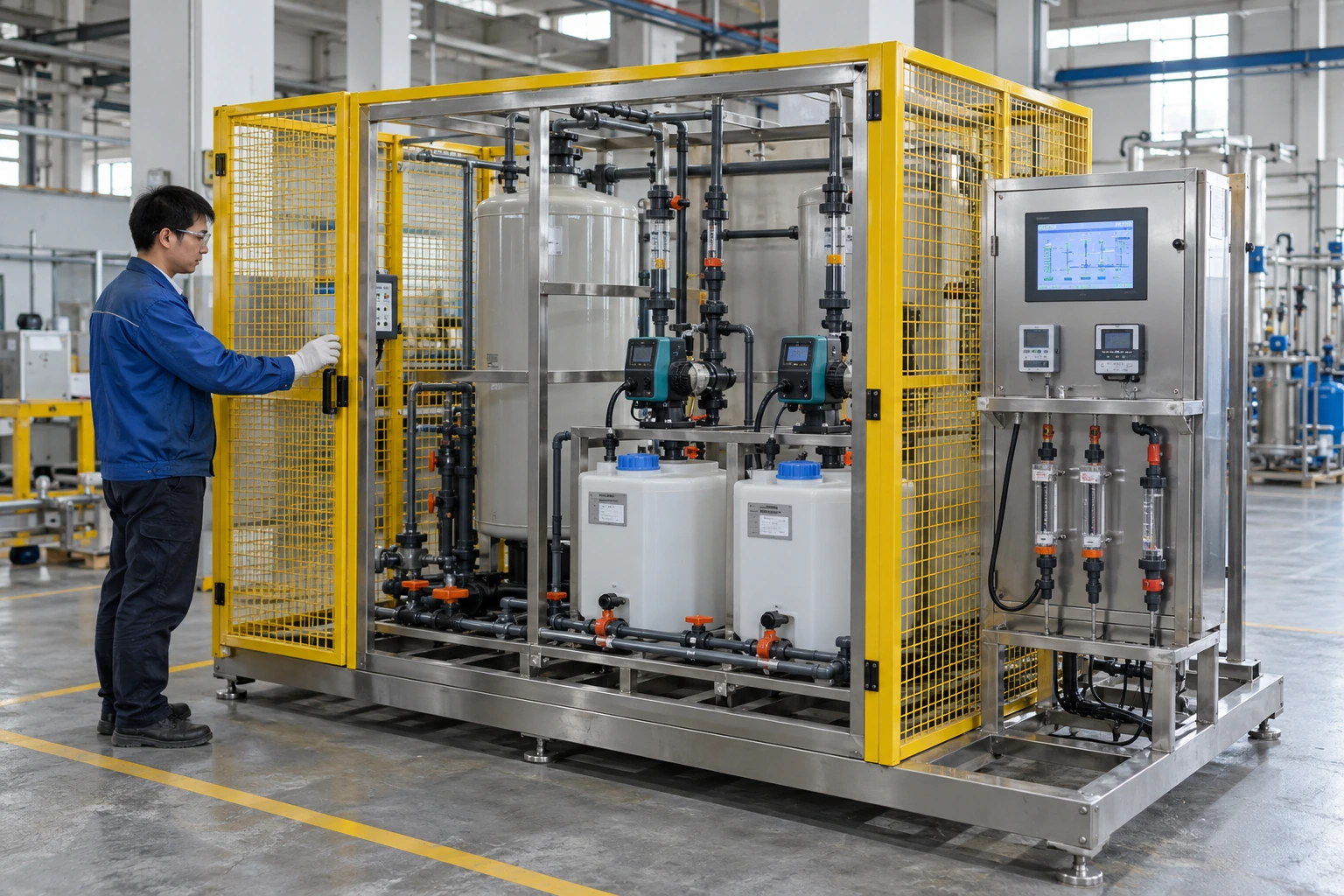
A Titanium electrode generation module needs dosing and monitoring controls that maintain the validated process conditions. Higher output is not automatically better for product quality or equipment.
Which interfaces should be defined?
Connect generation to the dosing requirement. Include demand variation, monitoring and fault behavior. Qualified designers should establish limits and protective functions.
- Define controlled output and measurement methods.
- Identify alarms and maintenance responsibilities.
| Check | Decision |
|---|---|
| Generation capacity | Supplies the treatment stage |
| Process control | Maintains intended conditions |
A strong product stream cannot compensate for uncontrolled delivery. Key Takeaway: Validate generation and dosing together.
7. What Materials Contact a Titanium electrode Product Stream?
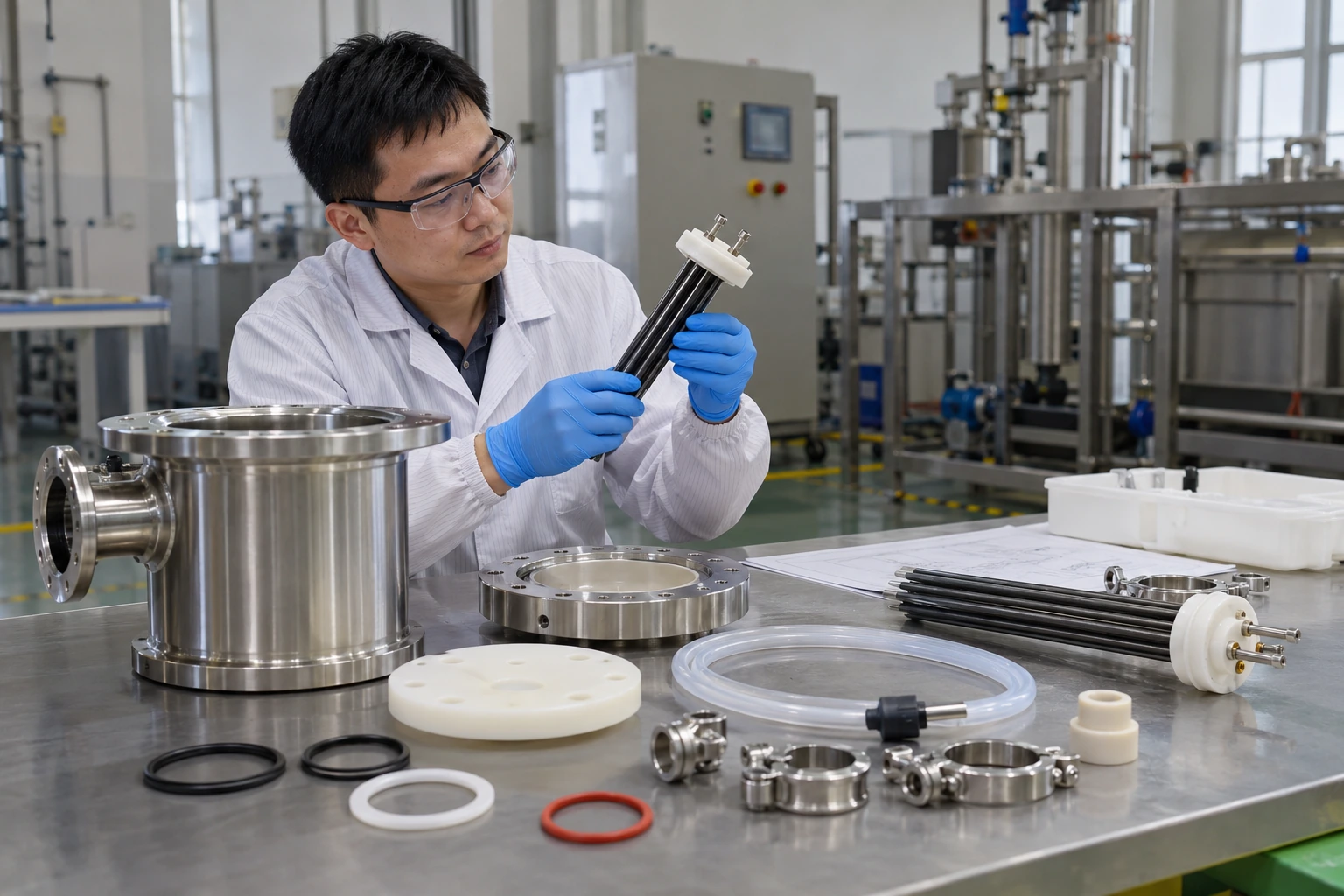
Materials contacting a Titanium electrode product stream include housing, seals, tubing and connections as well as the electrode. Compatibility and required documentation should cover the complete wetted path.
What should the material review include?
List every wetted component. Review operating and cleaning exposure with the equipment designer. Avoid assuming that one acceptable material clears all adjacent parts.
- Identify actual contact materials.
- Include cleaning and temperature conditions.
| Check | Decision |
|---|---|
| Electrode material | Covers one component |
| Wetted-system review | Covers the complete stream path |
A compatible electrode can still sit inside an unsuitable assembly. Key Takeaway: Review the complete wetted system.
8. How Do You Validate Titanium electrode Wash-Water Treatment?
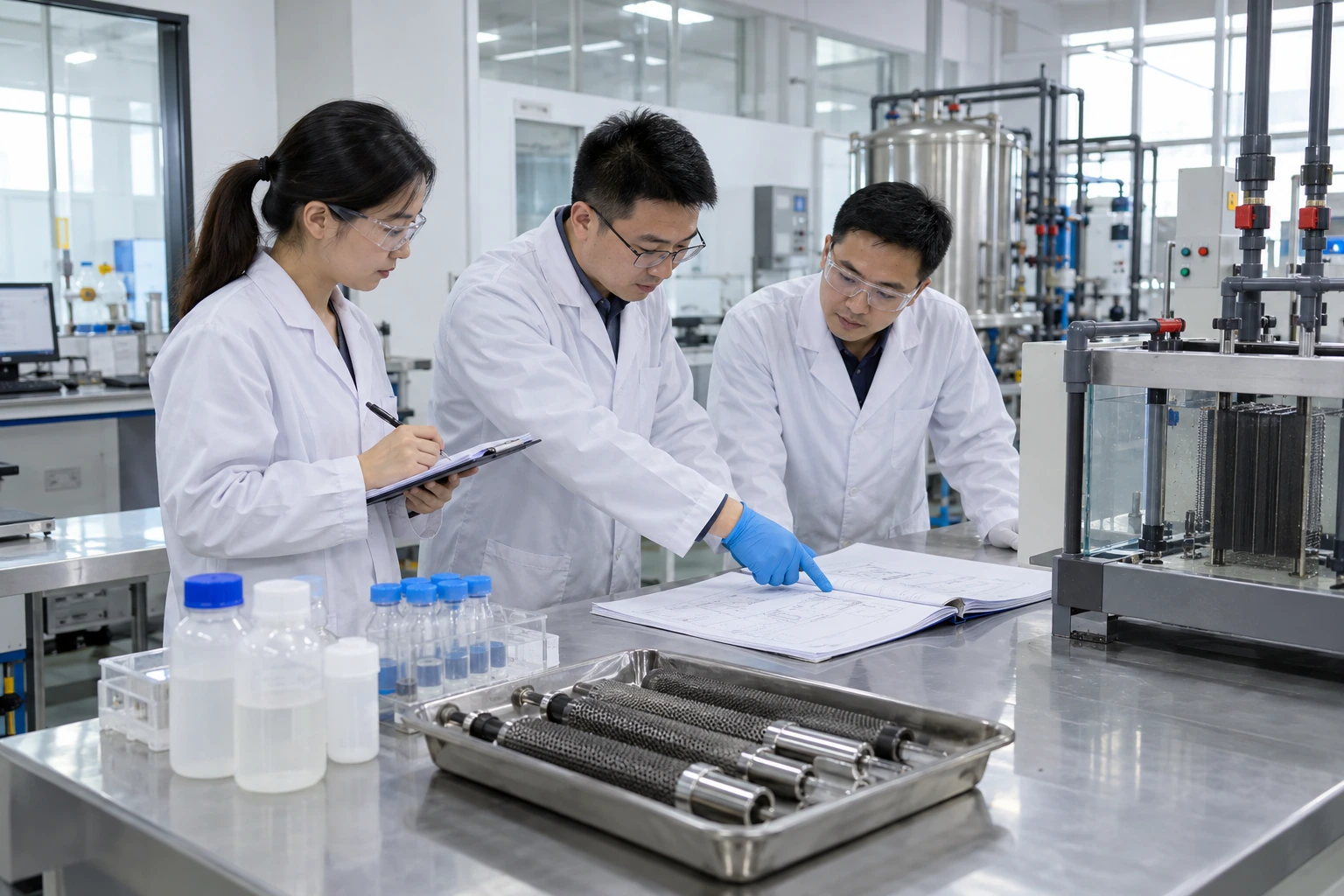
Validate Titanium electrode wash-water treatment through a qualified process study using representative water, equipment and intended use. A generic oxidant reading cannot establish microbial performance.
Which measurements need coordination?
Use an agreed chemical and hygiene protocol. For hypochlorite-generation systems, generation evidence must be connected to the actual wash process. Do not transfer results from another product or installation without justification.
- Define representative operating conditions.
- Use suitable analytical and microbiological methods.
| Check | Decision |
|---|---|
| Chemical monitoring | Describes treatment conditions |
| Process validation | Checks the intended outcome |
The validation should answer the real equipment-use question. Key Takeaway: Approve claims only within the tested scope.
9. What Maintenance Does a Titanium electrode Module Need?
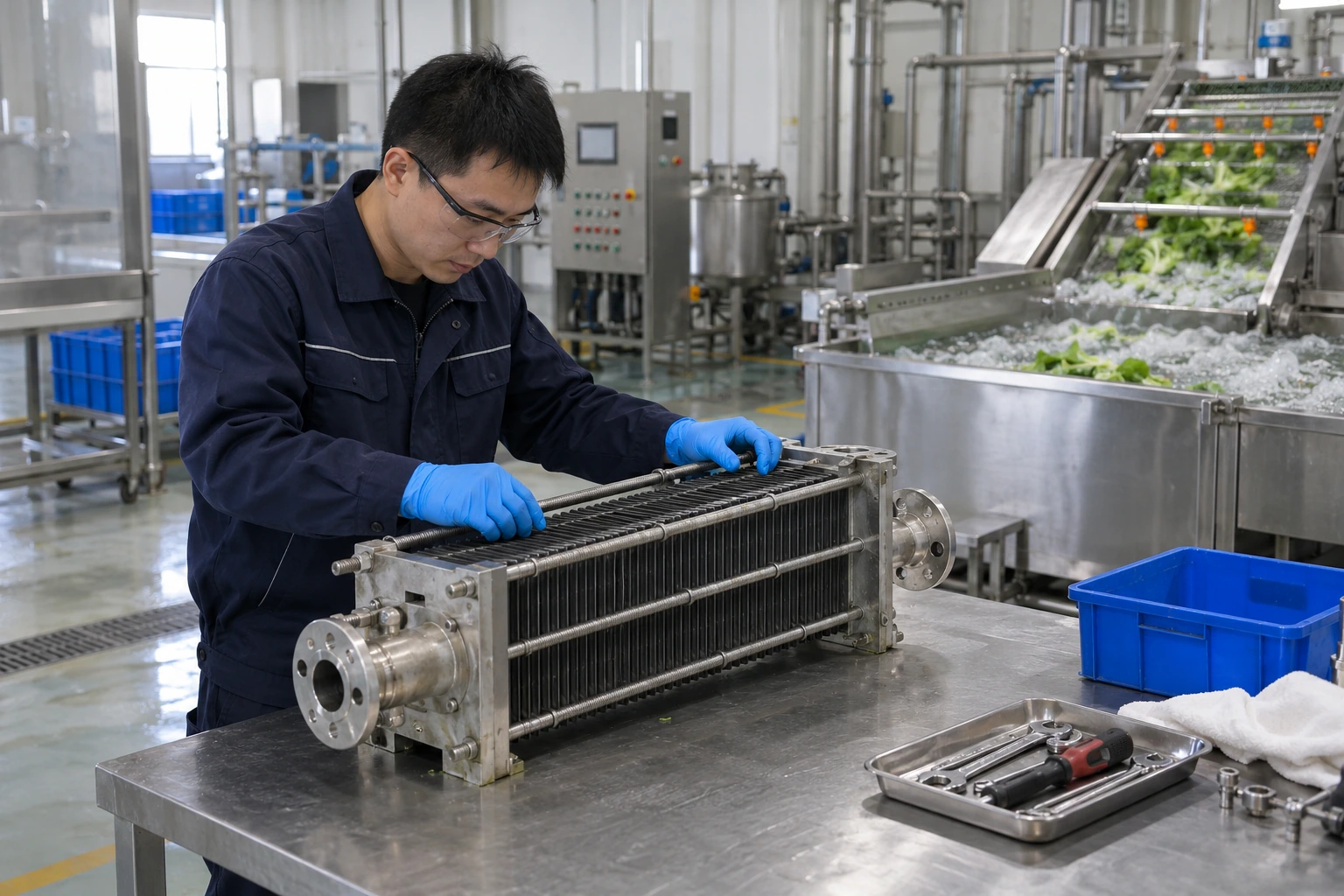
A Titanium electrode module needs maintenance that preserves its qualified surface and the equipment's hygienic operation. Cleaning procedures must suit the coating and complete assembly.
What should maintenance records capture?
Tie the procedure to the exact part and process. Include isolation, approved cleaning, rinsing and restart verification. Record changes in output or surface condition.
- Use component-specific maintenance instructions.
- Verify restored process conditions.
| Check | Decision |
|---|---|
| Maintenance procedure | Controls the work |
| Restart checks | Confirm the intended operating state |
A completed cleaning task does not by itself establish restored process performance. Key Takeaway: Close maintenance with defined verification.
10. What Titanium electrode Food-Equipment Data Should You Send?
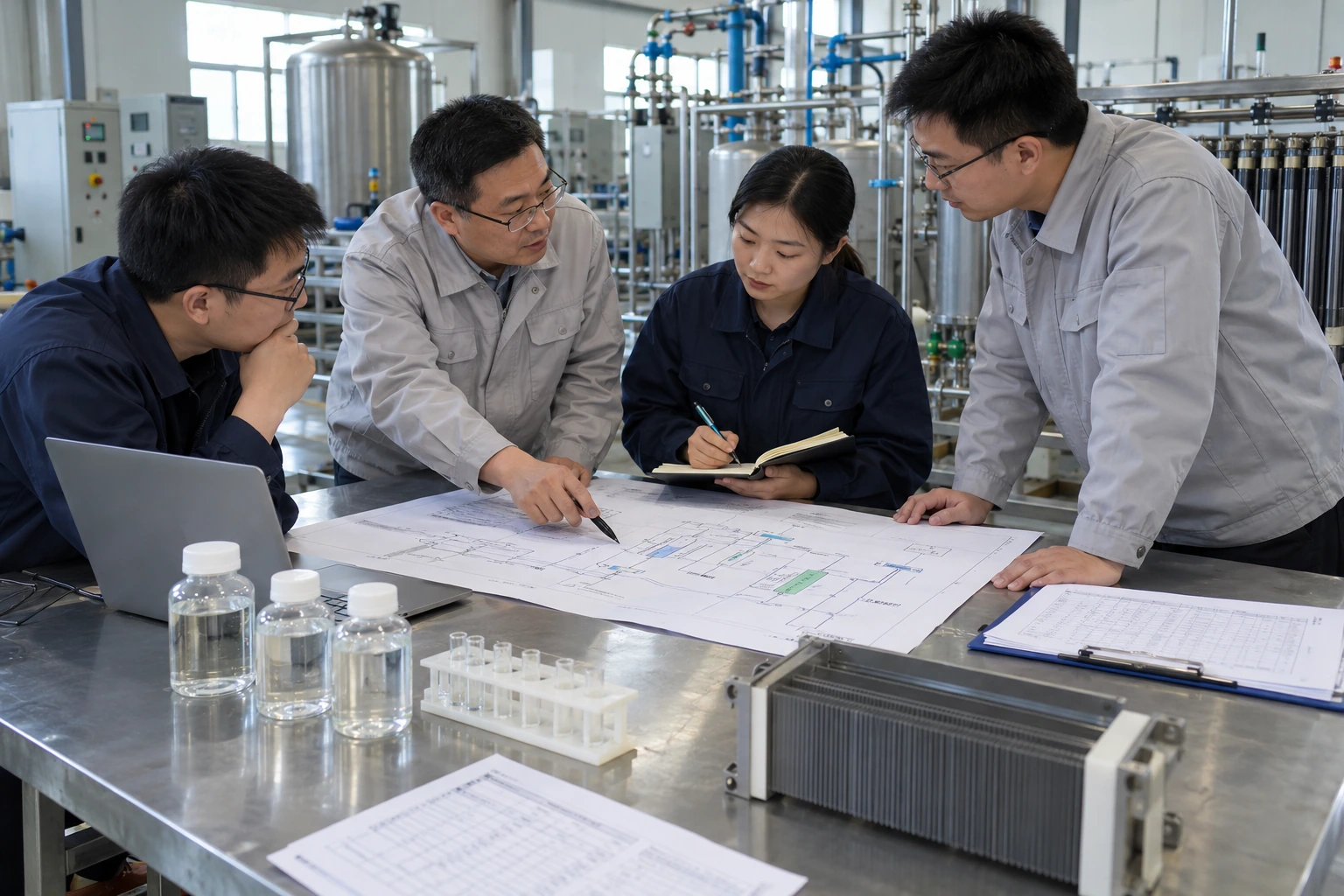
Send Titanium electrode reaction requirements, water analysis, module interfaces and validation responsibilities when developing food-washing equipment. State the intended industrial use and target market.
How can we support the component review?
Provide the process basis with the electrode drawing. We can review custom electrode requirements; contact us today with the qualified team's criteria. Our position is that component claims should stay within their evidence.
- Define chemical and dimensional requirements.
- Assign complete-system validation responsibility.
| Check | Decision |
|---|---|
| Component package | Supports electrode development |
| Process package | Defines intended use and validation |
The package keeps electrode supply connected to a responsible equipment-development process. Key Takeaway: Validate the complete application before making hygiene claims.
Frequently Asked Questions
Can I claim food-safety approval from titanium material alone? No. Material identity does not validate the complete equipment or intended process.
What's the best electrode for every produce washer? There is no universal choice. Chemistry, treatment design and qualified validation determine suitability.
How do I know if a generated oxidant is effective in my process? Use a representative validation study with suitable chemical and microbiological methods.
Can I apply industrial wash-water guidance as a home recipe? No. This article concerns professionally designed industrial equipment and does not provide household treatment instructions.
Can I change a coating after hygiene validation? Review the effect on the validated process. Component changes may require additional evidence.