
Plan a Titanium electrode sample trial around the purchasing or engineering decision it must resolve. A sample can produce bubbles and pass a quick fit check while leaving output, variability and service requirements unanswered. That makes the next order harder to justify. Write the test question, conditions and acceptance criteria before operating the sample.
1. What Decision Should a Titanium electrode Trial Resolve?

A Titanium electrode trial should resolve a specific decision, such as fit approval, coating suitability or comparison with an existing component. One trial need not answer every lifetime question.
How do you define a useful objective?
State what result would change your decision. If every possible result leads to purchase, the test may provide little discrimination. Connect measurements with an actual release rule.
- Name the decision and responsible reviewer.
- Identify the unresolved technical uncertainty.
| Check | Decision |
|---|---|
| Clear objective | Selects useful measurements |
| Undefined demonstration | Can leave the decision unchanged |
A focused question keeps the trial from becoming a collection of unrelated readings. Key Takeaway: Agree the decision before ordering samples.
2. Which Titanium electrode Baseline Should You Use?
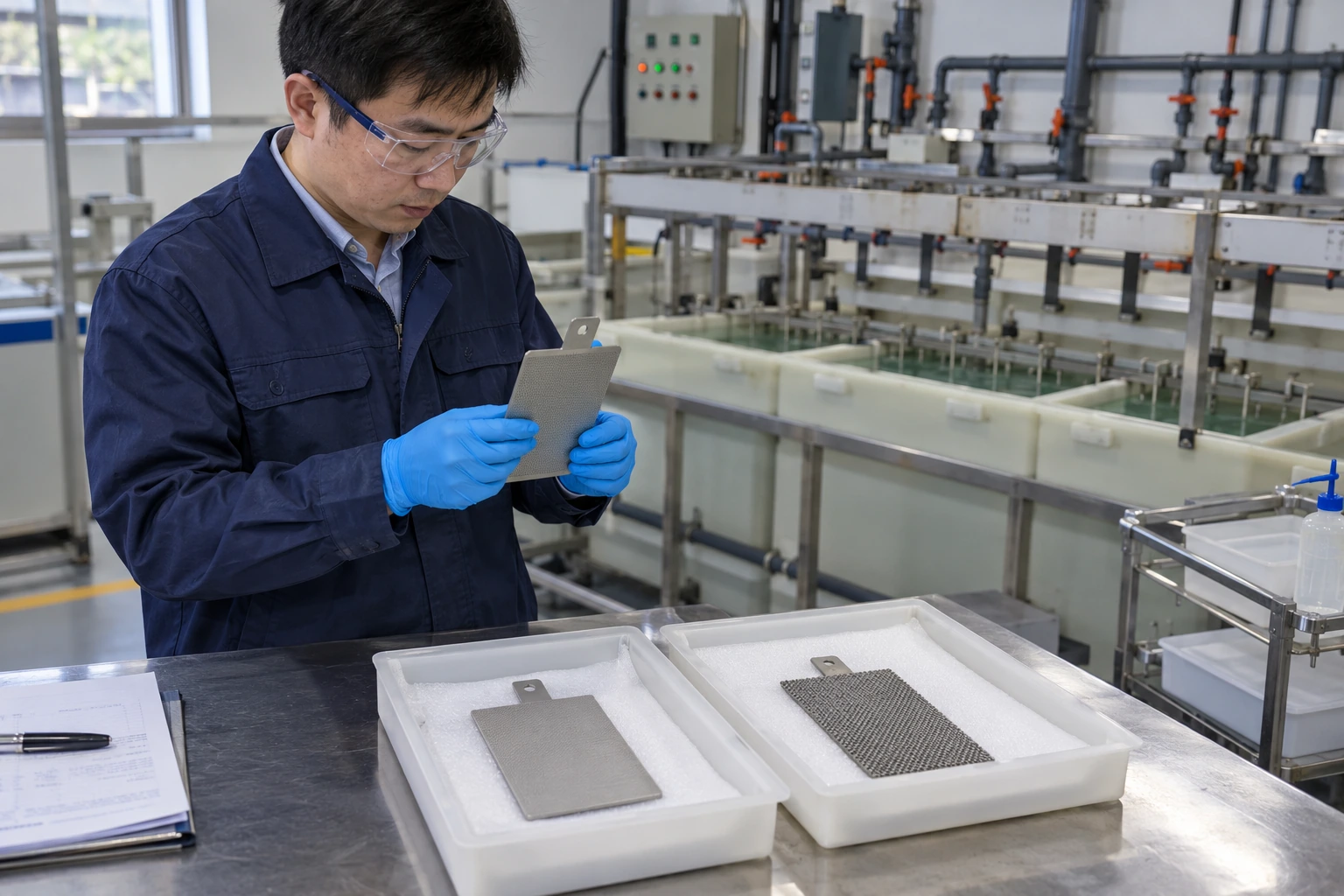
Use a Titanium electrode baseline that represents known geometry, duty and measurement methods. An existing part is useful only when its operating history is understood.
Which baseline records matter?
Document the reference before replacing it. Measure fit, output and relevant electrical behavior under defined conditions. Retain surface photographs and identification.
- Record part revision and active area.
- State chemistry, temperature and flow.
| Check | Decision |
|---|---|
| Reference component | Provides comparison context |
| Reference method | Makes results comparable |
An undocumented baseline can make a new sample appear better or worse for unrelated reasons. Key Takeaway: Freeze the reference conditions.
3. How Do You Control Titanium electrode Trial Variables?
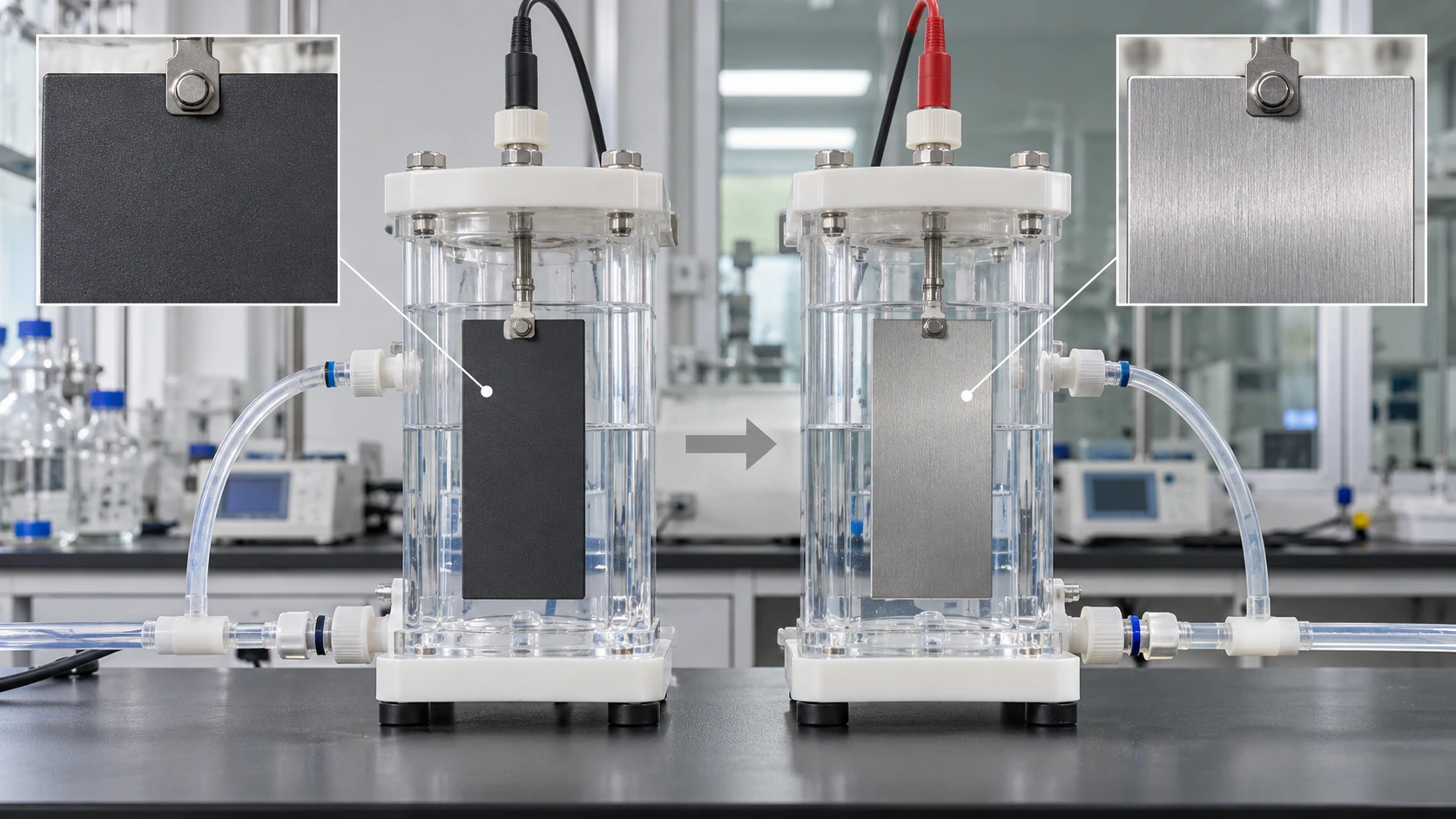
Control Titanium electrode trial variables so a measured difference can be interpreted. Geometry, chemistry, current and temperature should not change unnoticed between candidates.
How do you handle unavoidable changes?
List them beside the test result. Some trials cannot isolate one variable completely. Record those limits instead of assigning every difference to the coating.
- Change one defined factor where practical.
- Keep preparation and sampling methods consistent.
| Check | Decision |
|---|---|
| Controlled variable | Supports a narrower interpretation |
| Uncontrolled difference | Limits attribution |
A fair trial makes both controls and exceptions visible. Key Takeaway: Preserve the comparison conditions.
4. What Titanium electrode Measurements Belong in the Plan?

A Titanium electrode test plan needs measurements tied to fit, useful output, electrical behavior and relevant condition changes. Instrument accuracy should suit the decision.
Which measurement list should you send?
Choose measurements before setting up the rig. A custom engineering review can identify electrode and interface checks. Your process team should define output analysis and operating controls.
- Identify instruments and sampling locations.
- Record measurement uncertainty where consequential.
| Check | Decision |
|---|---|
| Component checks | Address fit and identity |
| Process checks | Address application performance |
A long data file cannot replace a missing acceptance measurement. Key Takeaway: Measure what the decision requires.
5. How Should You Set Titanium electrode Acceptance Criteria?

Set Titanium electrode acceptance criteria before testing so successful operation has a defined meaning. Criteria should reflect the equipment requirement and the trial's limited scope.
How should limits be chosen?
Use engineering requirements rather than the result you hope to see. Agree allowable variation and how borderline results are handled. Keep provisional approvals explicit.
- Define pass, hold and rejection outcomes.
- Assign review and release responsibility.
| Check | Decision |
|---|---|
| Acceptance rule | Defines the decision |
| Measured result | Supplies the evidence |
Changing a rule after seeing results can weaken the comparison. Key Takeaway: Approve criteria before the trial begins.
6. How Many Titanium electrode Samples Should You Evaluate?
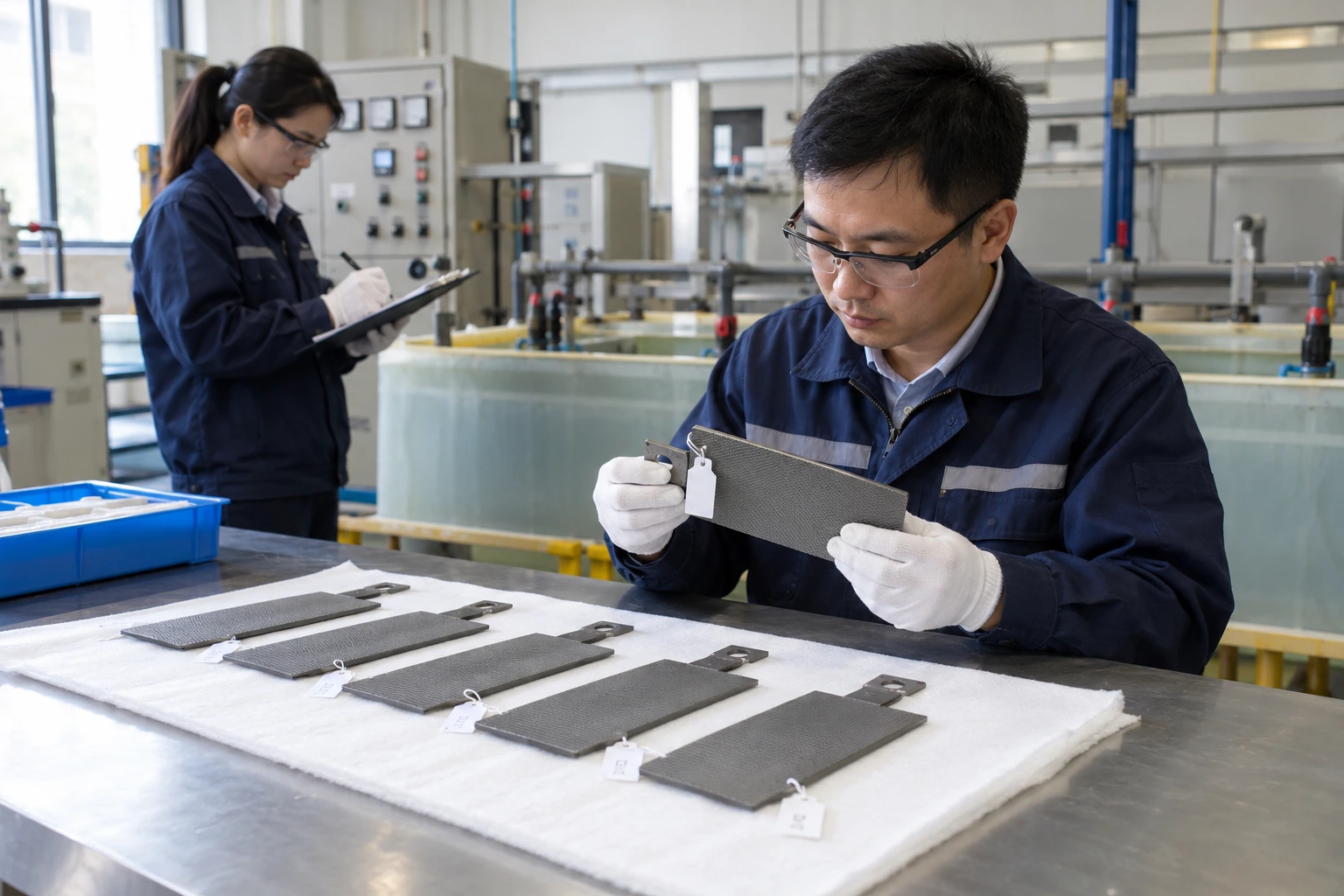
The number of Titanium electrode samples should reflect variation, test destructiveness and the consequence of failure. One successful specimen does not establish batch consistency.
What should a sampling plan explain?
Separate design validation from production sampling. A prototype trial checks a concept while a pilot batch can examine repeatability. Agree how samples are selected.
- Define the lot and sample identities.
- State the response to a failed sample.
| Check | Decision |
|---|---|
| Single prototype | Tests a limited design example |
| Pilot sample set | Can reveal variation |
More samples help only when their selection and purpose are clear. Key Takeaway: Use a risk-based sampling plan.
7. What Can a Short Titanium electrode Trial Prove?

A short Titanium electrode trial can establish initial fit and behavior under its recorded conditions. It cannot automatically prove long-term durability or every operating excursion.
How should the report describe its limits?
Say what the test did not cover. A platinum-coated candidate may operate correctly during a short comparison while longer exposure remains untested. Keep that uncertainty visible.
- Record actual duration and duty.
- Separate observed results from forecasts.
| Check | Decision |
|---|---|
| Initial-function evidence | Supports limited qualification |
| Lifetime claim | Needs additional evidence |
A successful demonstration should not become an unrestricted service promise. Key Takeaway: Match the approval to the evidence.
8. How Do You Handle a Failed Titanium electrode Sample?
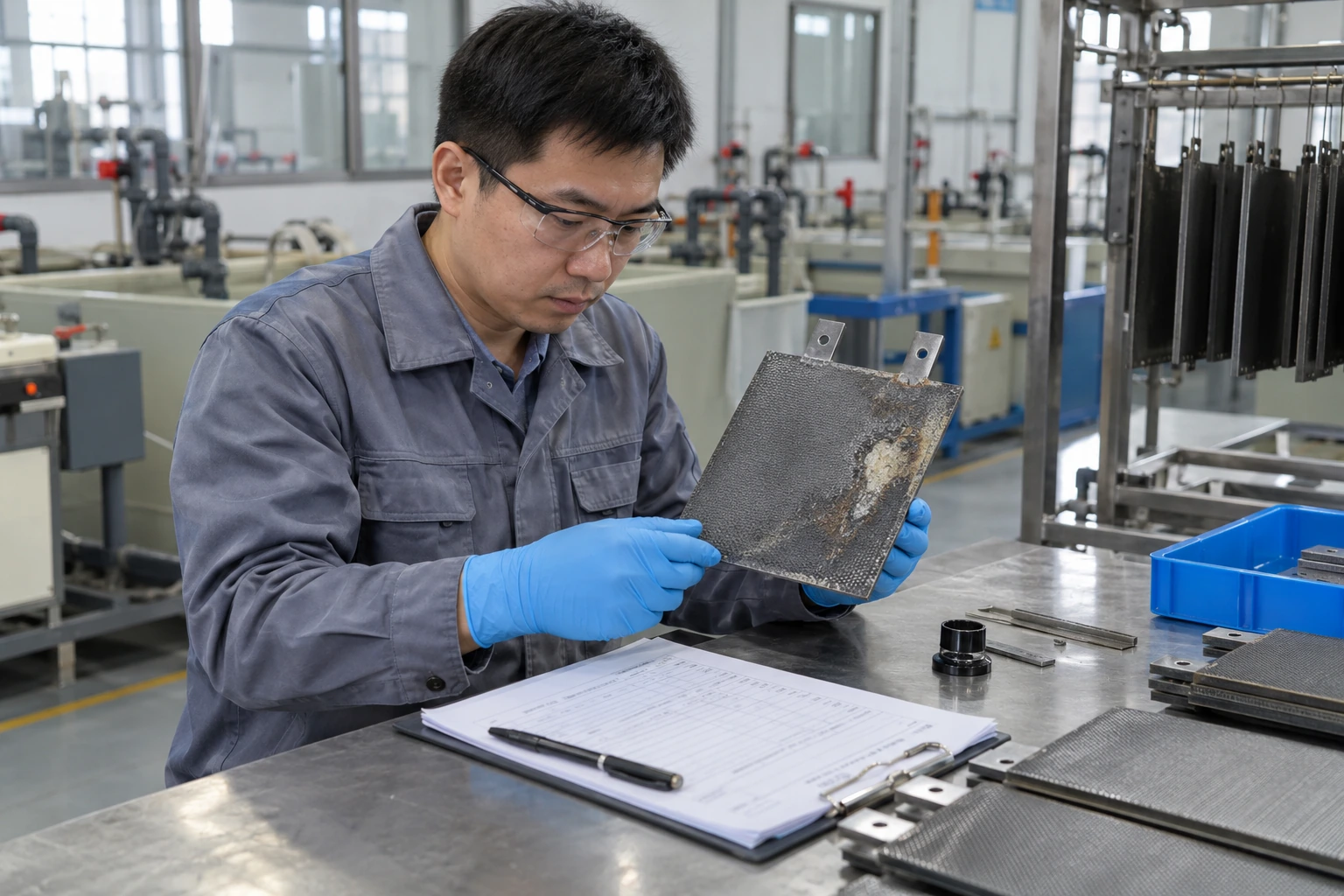
Handle a failed Titanium electrode sample by preserving evidence and identifying whether the cause lies in the part, assembly, operation or test method. Avoid uncontrolled modifications before diagnosis.
What should a failure record contain?
Capture the condition before cleaning or rework. For water-treatment applications, include water analysis and process changes. Record alarms, measurements and the sample's installation position.
- Photograph damage and deposits.
- Retain configuration and operating history.
| Check | Decision |
|---|---|
| Evidence preservation | Supports diagnosis |
| Corrective trial | Tests the proposed remedy |
A failed sample can still provide useful design information. Key Takeaway: Investigate before repeating the same test.
9. How Do You Release a Titanium electrode Pilot Batch?

Release a Titanium electrode pilot batch only when its approved specification and evidence are defined. The pilot should connect prototype success with repeat production.
Which documents should be frozen?
Keep the accepted sample tied to a revision. Include drawing, coating designation and inspection criteria. Identify any temporary features that must change before series supply.
- Retain sample and batch identity.
- Document approved deviations.
| Check | Decision |
|---|---|
| Prototype approval | Establishes the reference |
| Pilot-batch evidence | Checks repeatability |
A sample without controlled records cannot define a reliable repeat order. Key Takeaway: Release the part and its specification together.
10. What Makes a Titanium electrode Trial Package Complete?

A complete Titanium electrode trial package contains the objective, configuration, methods, results, deviations and release decision. It should allow another engineer to understand what was tested.
How can we help prepare the next trial?
Send the test question with the drawing. We can review electrode requirements and sample scope; contact us today with your acceptance plan. Our position is that a sample should produce decision-ready evidence.
- Identify remaining uncertainties.
- Define the next release or redesign step.
| Check | Decision |
|---|---|
| Test dossier | Explains the evidence |
| Decision record | Defines the approved scope |
The package links a successful trial with a defensible purchasing decision. Key Takeaway: Retain the evidence needed for repeat supply.
Frequently Asked Questions
Can I approve an electrode after seeing it operate once? Only for the limited behavior demonstrated. Fit, output, variability and durability may need different evidence.
What's the best baseline for a sample trial? Use a documented reference under matched conditions. An old part without service records can be misleading.
How do I know if a failed trial proves a coating problem? Investigate the part, setup and operating data. A failed result alone does not identify the cause.
Can I set acceptance limits after testing? Avoid that approach. Agree criteria beforehand so results support a consistent decision.
Can I use a short trial to guarantee years of life? No. A lifetime forecast requires evidence relating the test to the intended service.